
- Power steering warning light signals a problem and may disable steering assist.
- For hydraulic systems, low fluid level triggers the light; top up temporarily, leak repair required.
- Electric power steering may show EPS; a restart can fix temporary errors.
- If it stays on, get diagnostics; stop safely and seek professional help.
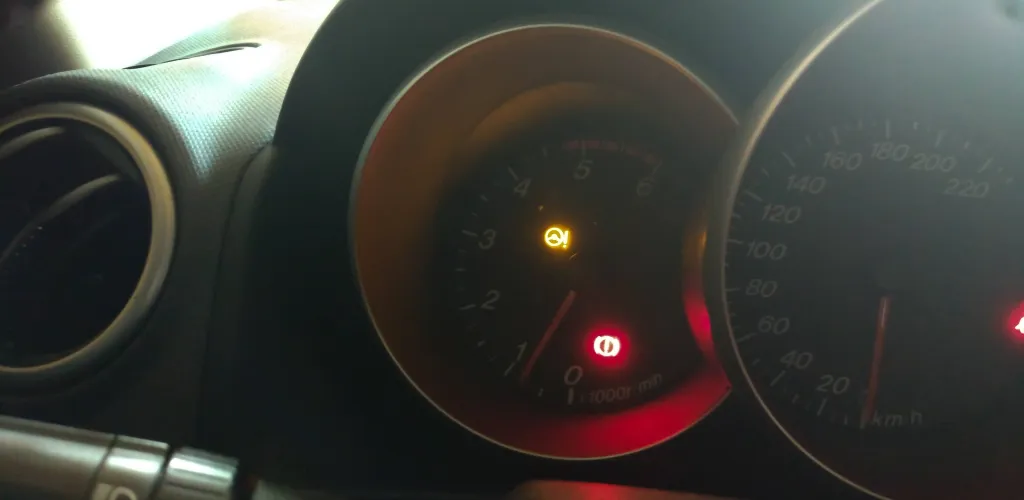
The power steering warning light is one of the dashboard indicators that should not be ignored. This warning signals that there is a problem with the power steering system and informs that steering assist will be disabled until the fault is fixed.
Driving without power steering can turn a routine trip into a physical workout, and in emergencies it can become dangerous. For this reason, it is crucial to understand what this indicator means and how to react when it comes on.
What the power steering warning light looks like
The power steering warning light usually takes the shape of a steering wheel, sometimes with an exclamation mark. For vehicles equipped with electric power steering, the light may display the abbreviation “EPS” (Electric Power Steering). Regardless of its shape, this warning light is red or yellow, indicating the severity of the issue.
Red signals a critical problem that requires immediate attention, while yellow indicates a problem that should be checked as soon as possible.
Types of power steering systems
Hydraulic power steering system
The hydraulic power steering system uses a hydraulic pump to move the fluid through the steering system chambers. When you turn the steering wheel with the engine running, the pump fills one of the chambers to help you steer with minimal effort.
This system was the industry standard for decades and is still found on many vehicles, especially older ones or commercial models.
Electric power steering system (EPS)
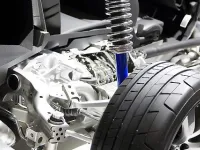
The electric power steering system has become increasingly popular as technology has advanced and costs have fallen. The main advantages of EPS include:
- Does not require power steering fluid
- Quieter operation
- Improved efficiency
- Easier integration with modern assist systems
Causes of the warning light for hydraulic systems
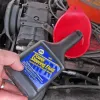
Low power steering fluid level
One of the most common triggers is a low level of power steering fluid. If you see this light on:
- Stop safely on the roadside
- Check the fluid level immediately
- Refill with the correct type of fluid if necessary
- Monitor the light – it should go out after topping up
Important: A low fluid level almost always indicates a leak that must be repaired urgently. Refilling the fluid is only a temporary fix.
Other possible causes
If the fluid level is not the issue, other causes can include:
- Power steering pump failure
- Blockage or damage to hoses
- Problems with the steering rack
- Issues with pressure sensors
In these cases, diagnostic work by a certified technician is required.
Causes of the warning light in electric power steering systems
Temporary system errors
For electric power steering systems, the warning light does not come on because of fluid levels, since no fluid is used. Often, a simple restart of the engine can resolve the problem.
Like a computer, the EPS system can store minor errors that cause the control unit to detect a problem that doesn’t exist. A quick reset can restore normal operation.
Permanent problems
If the light does not go out after restarting the engine, the issues may include:
- Electric power steering motor failure
- Torque sensor problems
- Faults in the electronic control unit
- Wiring or connector problems
Is it safe to drive with the warning light on?
The answer is categorically no. Without power steering, the vehicle becomes extremely hard to maneuver, especially at low speeds or during parking. Risks include:
- Substantial physical effort to turn the wheel
- Increased reaction time in emergencies
- Reduced control over the vehicle
- Higher risk of collision due to handling difficulties
What to do when the warning light comes on
- Reduce speed and pull over to a safe place
- Check the fluid level (for hydraulic systems)
- Restart the engine (for electric systems)
- Contact a service center if the problem persists
- Avoid driving if possible
Preventive maintenance
To avoid power steering problems:
- Regularly check the power steering fluid level
- Replace the fluid at the intervals recommended by the manufacturer
- Check the hoses and connections
- Monitor the steering response for early signs of trouble
- Have periodic inspections at authorized service centers
Regular maintenance of the power steering system not only prevents costly failures but also ensures your safety and that of other road users.