- ESP monitors 25+ parameters per second to maintain vehicle stability
- ESP light signals a fault or loss of protection
- React by staying calm, steering steady, slowing gradually, and seeking service
- Main cause: ABS wheel speed sensors faulty or dirty
Most modern vehicles are equipped with advanced stability control systems, known under various names: ESP (Electronic Stability Program), ASR (Anti-Slip Regulation), TCS (Traction Control System), or ESC (Electronic Stability Control). These systems continuously monitor steering input and vehicle stability, preventing accidents caused by loss of control.
When the ESP indicator light on the dashboard comes on, the vehicle no longer benefits from the protection offered by this vital safety system. Understanding the causes and reacting promptly can make the difference between a safe journey and a serious accident.
How the ESP System Works and When It Activates
The ESP system runs constantly, monitoring over 25 critical parameters per second, such as:
- Wheel speed for each wheel via ABS sensors
- Steering angle and rate of steering wheel rotation
- Lateral and longitudinal acceleration
- Yaw rate of the vehicle
- Accelerator pedal position
- Brake circuit pressure
When the car loses traction or stability, the system detects the issue in milliseconds and reacts instantly by:
- Selective braking of individual wheels to correct the trajectory
- Reducing engine power by limiting fuel delivery
- Automatic correction of oversteer or understeer
- Torque redistribution to wheels with better grip
The ESP warning light on the dashboard will not illuminate while the system functions correctly. When a fault occurs, the vehicle can no longer benefit from the system’s protection, and the indicator will light intermittently (system active) or continuously (fault).
How to react when the ESP light comes on
If the ESP light begins to glow, this usually happens during acceleration or under difficult road conditions. Here is the safety protocol:
- Don’t panic – stay calm and focused
- Keep the steering steady with both hands, no sudden movements
- Slow down gradually – avoid abrupt braking and acceleration
- Engage hazard lights if the situation requires
- Drive extremely defensively – the system no longer provides its usual protection
- Seek the nearest authorized service for professional diagnostics
- Avoid overtaking and risky maneuvers until the problem is resolved
Main causes for ESP warning light
1. ABS wheel speed sensors faulty or dirty
Wheel speed sensors located at each wheel are critical for ESP operation. They detect rotation speed and send information to the control unit.
Symptoms of failure:
- ESP indicator lights up intermittently or permanently
- Vibrations in the brake pedal when the ABS engages
- Premature wheel lock during braking
- Delayed or absent activation of safety systems
Causes:
- Mud, mud, snow, or de-icing salts contamination
- Corrosion of the toothed ring on the wheel hub
- Damaged electrical wiring or connectors
- Mechanical wear of the sensor or its mount
- Incorrect gap between sensor and toothed ring (1-3 mm)
Repair cost: 200-600 lei per sensor (including labor)
2. Steering angle sensor defective
The steering angle sensor, mounted on the steering column under the steering wheel, precisely calculates the steering angle and rate of rotation. It is essential for detecting the driver’s intent.
Symptoms of failure:
- ESP light stays on permanently after startup
- System does not recalibrate after straightening the wheel
- Malfunctioning lane-keeping assist (if equipped)
- Unjustified ESP activation in normal turns
- Issues with automatic parking system (if equipped)
Causes:
- Wear of rotating electrical contacts
- Incorrect calibration after steering work
- Damage to the optical or magnetic measurement mechanism
- Electromagnetic interference from the electrical system
Solution: Recalibration (150-300 lei) or replacement (400-1000 lei)
3. Poor and extreme road conditions
In severe weather conditions or on low-adhesion surfaces, ESP works hard to maintain stability, which can lead to temporary illumination of the warning light.
Problematic conditions:
- Fresh snow or ice on the road
- Heavy rain causing aquaplaning
- Wet leaves or mud on asphalt
- Sand, gravel, or dirt on the road surface
- Roads with large bumps or steep curves
- Extreme temperatures affecting sensor performance
Normal behavior: The indicator may flash when the system is active – this is NOT a fault.
4. Problems in the steering and suspension system
The steering system and suspension components directly influence ESP by altering wheel geometry and vehicle behavior.
Common steering faults:
- Hydraulic fluid leaks in the power steering
- Wear of the steering rack or hydraulic pump
- Damage to ball joints or tie-rod ends
- Excessive play in wheel bearings
- Uneven tire wear that affects rolling
Suspension problems:
- Worn shock absorbers reducing tire grip
- Loose springs changing vehicle height
- Damaged control arms affecting geometry
- Worn stabilizers reducing cornering stability
Symptoms:
- Steering wheel hard to control or vibrating
- Metallic noises when turning
- Vehicle pulls to one side
- Uneven tire wear
- Instability at high speeds
5. Software issues and electronic problems
Modern cars with numerous interconnected electronic systems can develop software conflicts that affect ESP operation.
Common software problems:
- Outdated control software versions
- Conflicts between electronic modules
- Data corruption in the ECU memory
- Incorrect parameters set after repairs
- Electromagnetic interference from aftermarket devices
Electronic problems:
- Voltage fluctuations in the electrical system
- Weak battery affecting sensor function
- Faulty alternator not maintaining stable voltage
- Corroded connectors or poor contacts
- Damaged wiring from rodents or wear
Solutions:
- Software update at an authorized dealer (200-500 lei)
- Reset and recalibration of systems (150-300 lei)
- Repair of electrical faults (variable)
6. ABS braking system problems
ESP uses components of the ABS system for per-wheel control, so brake faults directly affect its operation.
Hydraulic faults:
- Leaks in the braking circuit (brake fluid, air in the system)
- Worn master cylinder or damaged seals
- Faulty or stuck brake distributor or blocks
- Aged or cracked brake hoses
Component issues:
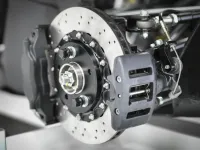
- Excessive wear of discs or pads
- Warped discs from overheating
- Seized calipers or worn guides
- Faulty ABS pump or overheating
- ABS solenoids blocked or with internal leaks
Symptoms:
- Brake pedal becomes spongy or has a long travel
- Metallic noises or squealing during braking
- Steering pulls under braking
- Reduced braking efficiency
- Late or absent ABS activation
7. ESP central control unit failure
The ESP control unit (ECU) can suffer hardware failures that compromise the system.
Causes of failure:
- Voltage surges in the electrical installation
- Moisture ingress into the unit housing
- Overheating of internal electronics
- Natural wear of components after years of operation
- Excessive vibration that damages internal connections
- Corrosion of contacts and printed circuits
Symptoms:
- The indicator stays on permanently regardless of conditions
- The system does not respond at all to critical situations
- Multiple persistent errors in computerized diagnostics
- Temporary resets followed by return of the problem
- Conflicts with other safety systems (airbags, ABS)
Solutions:
- Repair the unit (if possible): 600-1200 lei
- Replacement with a new unit: 1500-3000 lei
- Replacement with a remanufactured unit: 800-1500 lei
Professional ESP Troubleshooting
Specialized equipment required:
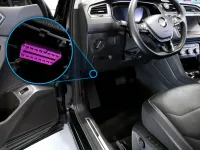
- Multi-brand auto scanner (Launch, Autel, Bosch) – for reading error codes
- VAG-COM/VCDS scanner – for Volkswagen Group vehicles
- Digital multimeter – for measuring voltages and resistances
- Oscilloscope – for real-time sensor signal analysis
- Manometers – for hydraulic pressure checks
- Calibration devices – for sensor reset after repairs
Step-by-step diagnostic procedure:
- Read error codes and real-time parameters
- Check supply voltages to all sensors
- Test resistances and wiring continuity
- Inspect sensor signals with oscilloscope in motion
- Check hydraulic pressures in the braking circuit
- Functional test of actuators (solenoids, pumps)
- Calibrate and reprogram after component replacement
- Perform a full test-drive to validate repairs
Common error code interpretations:
| Error code | Description | Probable cause |
|---|---|---|
| C1095-C1098 | Wheel speed sensor | Dirty/defective sensor |
| C1277 | Steering angle sensor | Calibration/replacement required |
| C1233 | Low system voltage | Electrical power issue |
| C1525 | ECU communication | Software/hardware problem |
| U1900 | Data bus | Communication interference |
Detailed repair costs
| Defective component | Parts price (lei) | Labor (lei) | Total estimate (lei) | Repair time |
|---|---|---|---|---|
| ABS wheel speed sensor (1 pc) | 150-400 | 100-200 | 250-600 | 1-2 hours |
| Steering angle sensor | 400-800 | 200-300 | 600-1100 | 2-3 hours |
| ABS/ESP pump | 1000-2000 | 400-600 | 1400-2600 | 4-6 hours |
| ESP control unit | 1200-2500 | 300-500 | 1500-3000 | 3-5 hours |
| Software update | 0-100 | 200-400 | 200-500 | 1-2 hours |
| Full system calibration | 0 | 300-500 | 300-500 | 2-3 hours |
| Wiring repair | 50-200 | 150-400 | 200-600 | 1-4 hours |
Note: Costs vary by vehicle make, chosen service, and fault complexity.
Preventive measures and maintenance
Regular maintenance:
Monthly:
- Clean wheel speed sensors of mud and deposits
- Check tire pressure (large differences affect ESP)
- Visual inspection of visible wiring and connectors
Every 6 months:
- Check brake fluid (level, color, consistency)
- Functional road test of the system on a safe route
- Clean battery terminals and check voltage
Annually:
- Complete diagnostic at an authorized service
- Software updates when new versions are available
- Check wear of braking and suspension components
- Calibration after major works
Every 2 years:
- Replace brake fluid (absorbs moisture over time)
- Check hydraulic circuit seal integrity
- Inspect tire wear and wheel alignment
Defensive driving to protect the system:
Under normal conditions:
- Avoid unnecessary abrupt acceleration and braking
- Maintain a safe following distance
- Regularly check tire pressure
- Use tires of the same brand and tread on the same axle
Under adverse conditions:
- Slow down significantly in wet or snowy conditions
- Avoid sudden steering maneuvers
- Let the system operate – do not disable ESP without reason
- Use winter tires in cold seasons
- Regularly clean snow and ice from sensors
When to go to a service urgently
Contact an authorized service immediately in the following situations:
Critical situations (STOP immediately):
- The ESP light stays on permanently after restarting the engine
- The system does not engage at all in situations where it should intervene
- ABS, ESP, and airbags warning lights appear simultaneously
- The vehicle becomes unpredictable or unstable at normal speeds
- The brake pedal feels different (spongy, low resistance)
Urgent situations (book within 1-2 days):
- The warning lamp lights frequently during normal driving
- The system activates for no apparent reason
- Unusual noises from the wheel area when braking
- Steering vibrations when the system engages
- Changes in vehicle behavior when turning
Monitoring situations (book within the next week):
- The lamp only illuminates under extreme conditions (normal, but check)
- System activations more frequent than usual
- Intermittent diagnostic trouble codes
- Calibration required after suspension/steering work
Frequently Asked Questions (FAQ)
Q: Is it safe to drive with the ESP warning light on? A: Not recommended, especially in adverse conditions. The vehicle loses the system’s protection, increasing accident risk.
Q: How much does ESP system repair cost on average? A: Between 200-3000 lei, depending on the faulty component. Sensors are cheaper; the control unit is the most expensive.
Q: Can I permanently disable ESP? A: Not legal and not safe. Most vehicles allow temporary deactivation only for special situations (e.g., when stuck in snow).
Q: Why does ESP light come on in snow? A: It’s normal—the system detects wheel slip and tries to restore control. The light may flash when the system is active.
Q: How long does ESP repair take? A: From 1-2 hours to replace a sensor to a full day for complex control unit issues.
Conclusion
ESP is one of the most important safety innovations in automotive technology, significantly reducing the risk of accidents caused by loss of vehicle control. Statistics show ESP can prevent up to 40% of fatal accidents related to skidding.
Key takeaways:
- Never ignore a permanently illuminated ESP warning light
- Respond calmly and with control when the system engages
- Consult a specialized service for professional diagnostics
- Invest in preventive maintenance – cheaper than major repairs
- Defensive driving extends system life and can save your life
Remember: a faulty ESP system increases the risk of an accident by up to 35%, especially in poor weather, on low-adhesion surfaces, or at higher speeds. Your safety and that of your passengers is priceless—keep this vital system in top working condition.
For any additional questions or specific situations, always consult a qualified auto technician experienced with your vehicle’s electronic safety systems.