- Battery dead or defective is the main starting issue.
- Loose or corroded terminals block current and require cleaning.
- Faulty starter causes various symptoms like single click or grinding.
- Clogged fuel filter can prevent fuel delivery to the engine.
When you’re faced with a car that won’t start, the situation can be extremely frustrating, especially if you have a busy schedule. Fortunately, most starting problems can be identified and resolved relatively easily if you know where to look. In this comprehensive guide, we’ll explore the most common causes of this issue and how you can intervene to fix it.
In this guide, we’ll walk you through the typical symptoms, practical diagnostic steps, and reliable solutions to get you back on the road quickly and safely.
Main causes of starting problems
Battery dead or defective
The battery is the heart of the car’s electrical system. When it is discharged or damaged, the entire starting system is compromised. A battery typically lasts 3-5 years but can fail earlier for various reasons:
- Exposure to extreme temperatures (both cold and heat affect performance)
- Prolonged use of electrical consumers with the engine off
- Physical damage or acid leaks
- Sulfation of internal plates due to repeated discharges
To check battery health, visually inspect the casing for cracks, bulges, or acid leaks. If you observe such faults, the battery should be replaced immediately. You can also test the voltage with a multimeter — a healthy battery should read about 12.6V with the engine off.
Loose or corroded terminals
Even if the battery is in good condition, loose or corroded connections can prevent the electrical current from reaching the starter. Corrosion appears as white or greenish deposits on the battery terminals and is caused by chemical reactions between the battery acid and the metal of the terminals.
For cleaning corroded terminals:
- First disconnect the negative (-) terminal, then the positive (+)
- Prepare a solution of sodium bicarbonate and water (1 tablespoon per 250 ml water)
- Apply the solution to the corroded terminals with a wire brush
- Rinse with clean water and dry completely
- Reconnect the terminals (positive first, then negative) and tighten securely
Faulty starter
The starter (starter motor) is a robust electromechanical component that converts electrical energy into mechanical energy to spin the engine. When it has faults, you can hear various specific sounds:
- A single click: indicates a defective solenoid or a battery that is too discharged
- Repeated rapid clicking: solenoid functional, but current is insufficient
- Grinding noise: worn pinion or damaged flywheel
- Complete silence: starter completely faulty or an issue in the electrical circuit
Main components of the starter include:
- Solenoid: activates engagement and closes the power circuit
- Electric motor: generates the rotational force
- Bendix gear (pinion): engages the starter with the flywheel to rotate the engine
- Flywheel: heavy disk fixed to the crankshaft that receives rotation from the starter
Clogged fuel filter
The fuel filter serves an essential function: it traps impurities and sediments from fuel before they reach the injectors or carburetor. A clogged filter restricts the fuel flow, preventing the engine from receiving enough fuel to start.
Signs of a clogged filter include:
- Difficulties starting, especially in the morning
- Engine stalling after startup
- Loss of power during acceleration
- Uneven engine operation
- Higher fuel consumption
Most manufacturers recommend replacing the fuel filter every 20,000-40,000 km, depending on fuel quality. In Romania, where fuel quality can vary, it’s advisable to replace at the lower end of this range.

Empty fuel tank
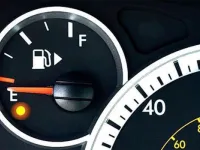
Although it seems obvious, fully running out of fuel happens more often than you’d think. Modern warning systems are reliable, but there can be situations where the gauge reads differently than expected (aggressive driving, heavy traffic, use of air conditioning).
Additionally, running with an almost empty tank can:
- Deteriorate the fuel pump (which is cooled by the fuel)
- Introduce sediment into the fuel system
- Reduce the life of the fuel filter
Diagnostic methods and solutions
Now that you understand the possible causes, here’s how you can proceed with diagnosis and remediation:
Diagnosing and addressing battery issues
Check steps:
- Visually inspect the battery for physical damage
- Test voltage with a multimeter (should be 12.4-12.6V)
- Test starting capability (CCA — Cold Cranking Amps) at a specialized service
- Check the charging system of the alternator (should read 13.5-14.5V with the engine running)
Solutions:
- If the battery is discharged but functional: jump-start with cables from another car or charge with a battery charger
- If the battery is old (over 4-5 years) or damaged: replace with a new one of similar or higher capacity
- Preventive maintenance: quarterly checks and cleaning of terminals
Maintaining electrical connections
Recommended inspection schedule:
- Monthly: visual inspection of terminals for signs of corrosion
- Every 3 months: preventive cleaning of terminals and check of tightness
- Annually: full check of battery cables for cracks or wear
Professional tip: After cleaning the terminals, apply electrical contact grease or a protective spray to prevent future corrosion.
Checking and replacing the starter
The starter is built to last tens of thousands of start cycles. However, it can fail for several reasons:
Diagnostic tests:
- Current draw test: with the multimeter in series, check current draw (should be between 80-130A for small/medium cars)
- Noise test: listen for startup sounds
- Direct connection test: with extreme caution, connect the starter directly to the battery to verify operation
When to replace the starter:
- Persistent abnormal noises
- Frequent starting irregularities
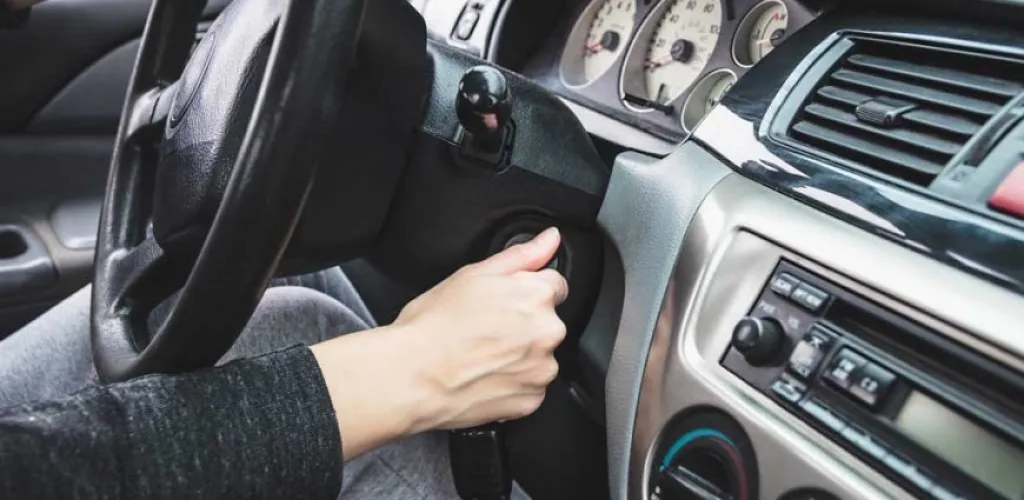
- Delayed response when turning the key
- Age above 150,000-200,000 km
Maintaining the fuel delivery system
The fuel delivery system requires special attention for optimal engine performance.
Maintenance schedule:
- Fuel filter: replace at 20,000-30,000 km for diesel, 40,000 km for petrol
- Fuel pump: check at a service every 60,000 km
- Injectors: professional cleaning at 80,000-100,000 km
- Fuel tank: periodic cleaning additives (every 5,000-10,000 km)
Signs the fuel system has problems:
- Difficult or delayed starting
- Engine floods after startup
- Uneven idle
- Power loss
- Unusual noise from the fuel pump (sharp whines)
Proper management of fuel level
Best practices:
- Never let the tank drop below 1/4
- Fuel regularly to avoid condensation in the tank
- Avoid fueling immediately after the tanker has filled at the station (sediments in suspension)
- In cold seasons, keep the tank as full as possible to prevent condensation
When to call a specialist
If after checking all listed elements the car still refuses to start, it’s time to seek professional help. More complex issues may include:
- ECU faults (engine control unit): can cause timing or injection problems
- Faulty sensors: crankshaft position sensor, fuel pressure sensor, etc.
- Timing issues: broken or jumped timing belt/chain
- Ignition system problems: coils, spark plugs, high-tension leads
- Immobilizer lockout: anti-theft system not recognizing the key
- Internal mechanical problems: low compression, faulty valves
Tips for a service visit:
- Note down all observed symptoms and when they first appeared
- Mention any recent changes or work performed
- Specify whether the problem occurs cold, hot, or permanently
- Request a full diagnostic check with an electronic tester
Preventive measures to avoid starting problems
Prevention is always cheaper than repair. Here are essential measures:
Regular maintenance
- Scheduled service: oil changes, filters, periodic inspections
- Seasonal checks: winter/summer preparation
- Battery: annual capacity test and preventive replacement after 4-5 years
- Electrical system: check connections, fuses, relays
Good usage habits
- Avoid frequent short trips that don’t allow the battery to fully charge
- Do not leave electrical devices (lights, radio) running with the engine off
- In winter, wait a few seconds after starting before moving off
- Use high-quality fuel from verified stations
Useful equipment
It is advisable to have in your car:
- Quality jump-start cables (minimum 16 mm² cross-section)
- Portable battery charger (booster)
- Spare fuel can
- Basic tool kit
- Digital multimeter for quick checks
With proper maintenance and attention to the signals your car gives you, you can prevent most starting problems and ensure your vehicle is always ready to start when you need it.