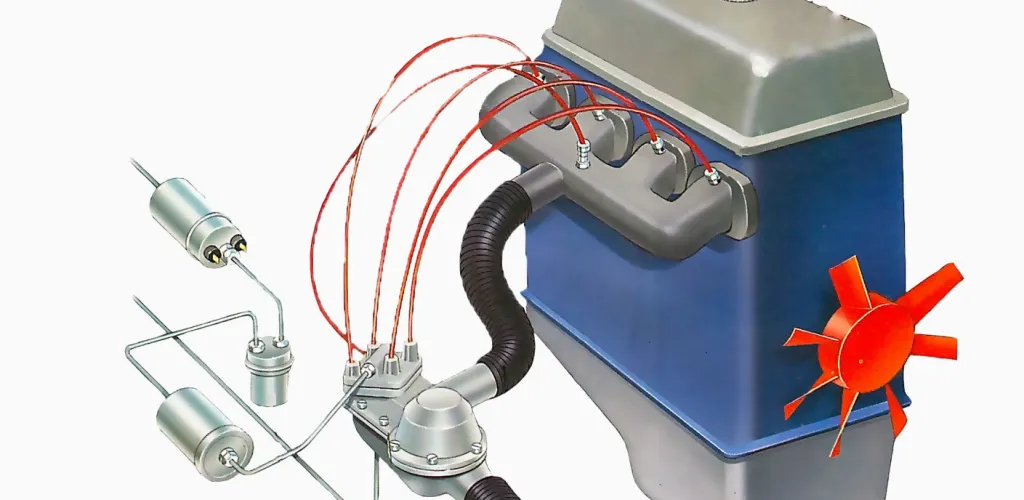
- Replace fuel filter every 20,000–30,000 km to prevent starting and power issues
- Inspect hoses and lines at every service for cracks, leaks, and fuel smell
- Inspect fuel injectors annually to prevent carbon buildup and erratic operation
- Check fuel pump around 150,000 km; symptoms include hard starts and stalling
Fuel systems are a vital component of any internal combustion engine. Without an optimal fuel-air mixture, the engine cannot run efficiently or may not run at all. Because modern vehicles are designed to cover hundreds of thousands of kilometers, the components of the fuel system must be built for maximum durability, while also benefiting from regular maintenance.
The fuel system requires frequent inspections and proper maintenance to ensure optimal engine operation and to prevent costly failures.
Key components that require regular inspection
1. Fuel Filter
The fuel filter is the first line of defense against impurities that could damage the injection system. It should be replaced at regular intervals of 20,000-30,000 km, though the interval may vary depending on fuel quality and driving conditions.
A clogged filter can cause:
- Hard starting
- Loss of power on acceleration
- Uneven engine operation
- Increased fuel consumption
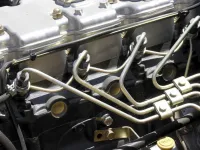
2. Fuel hoses and lines
Fuel hoses and lines that carry fuel from the tank to the engine should be inspected at every service. They are subjected to:
- Extreme temperature variations
- Constant vibrations
- Exposure to aggressive chemicals
Signs of wear include:
- Visible cracks on the hose surface
- Bulges or deformations
- Fuel leaks
- Persistent gasoline smell around the vehicle
3. Fuel injectors
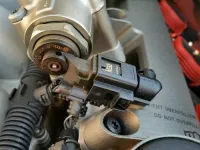
Fuel injectors are precision components that require special attention. They should be inspected annually by a qualified technician, because:
- Carbon deposits can clog injector orifices
- Normal wear can affect the shape of the fuel jet
- Electrical faults can cause intermittent operation
Symptoms of faulty injectors:
- Uneven idle
- Power loss
- Increased emissions
- Excessive fuel consumption
4. Fuel Tank
The fuel tank requires particular attention, especially on vehicles older than 10 years:
- Plastic tanks (common in modern cars) can be compromised by mechanical impact
- Metal tanks (on older vehicles) are rated for only 10 years and can suffer from internal corrosion
Alarm signs:
- Persistent fuel smell
- Visible stains under the vehicle
- Unexplained drop in fuel level
- Visible corrosion on the exterior surface (metal tanks)
5. Fuel Pump
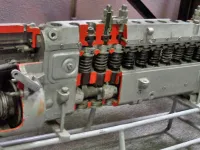
Fuel pump should be checked carefully on vehicles with more than 150,000 km. It can be:
- Mechanical pump (on older engines) - driven by the camshaft
- Electric pump (on modern engines) - located in the tank or along the supply line
Symptoms of a faulty pump:
- Difficult starting or failure to start
- Engine stalling while driving
- Unusual noises from the fuel tank area
- Sudden loss of power on acceleration
Maintenance Intervals
Checks at every service (10,000-15,000 km)
- Visual inspection of hoses and connections
- Check for fuel leaks
- Inspect the condition of the fuel filter
Annual checks
- Test the fuel system pressure
- Check injector operation
- Inspect tank condition
Checks at high mileage (over 150,000 km)
- Test the fuel pump
- Inspect the internal lines of the tank
- Analyze the fuel quality in the tank
Consequences of neglecting maintenance
Neglecting the maintenance schedule can lead to:
- injector system failure – repair costs can exceed 3,000-5,000 RON
- engine damage due to contaminated fuel
- environmental issues due to fuel leaks
- safety risks due to flammable vapors
Recommendations to extend life
- Use high-quality fuel from trusted gas stations
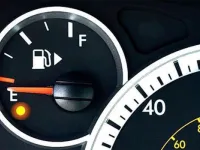
- Avoid driving with the tank near empty - the pump can overheat
- Replace the fuel filter per the schedule
- Perform injector cleaning every 50,000 km
- Periodically check for leaks during routine inspections
Our recommendation is to include fuel system inspection in the vehicle’s standard maintenance schedule. This preventive approach can save substantial sums and prevent unexpected breakdowns.
Photo source: howacarworks.com