- Faulty float (cracked or sticking) causes inaccurate fuel readings.
- Fuel pump sensor failure requires replacing the entire pump; cost 800–2000 lei, 3–6 hours.
- Resetting the on-board computer can fix minor errors; not effective for hardware faults.
- Wiring problems or cluster faults can cause incorrect gauge readings.
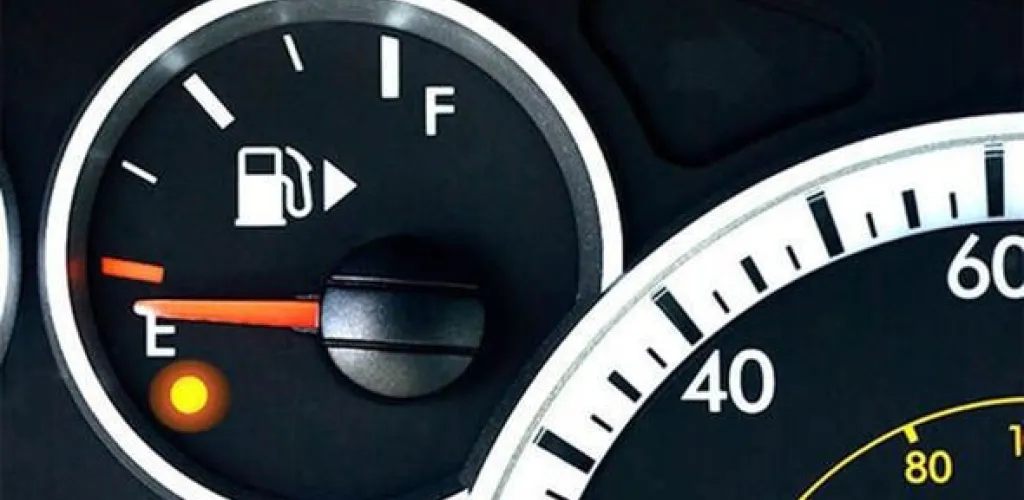
When the fuel gauge isn’t functioning properly, driving can become stressful. Not knowing how much fuel you have left and living in constant worry about running out is one of the most frustrating problems a driver can face. The needle that indicates the fuel level may not move at all, get stuck in one position, or display incorrect information.
This problem has several possible causes, ranging from faulty mechanical components to electronic errors. Understanding these causes can help you identify the source of the issue and decide on the right repair path.
Faulty float — the main cause of problems
Cracking of the float
The float can crack over time, allowing fuel to seep into its interior. When this happens, the float becomes saturated with fuel and stays at the lowest position in the tank. The result: the fuel gauge will always show the tank as empty, regardless of the real fuel level.
Float sticking
There are times when the float remains stuck in one position due to fuel impurities or wear of the components. In this case:
- The indicator may permanently show “Full”
- Or may always indicate “Empty”
- The needle can remain in any intermediate position
Fuel pump issues
In many modern cars, the fuel level sensor is integrated into the fuel pump. This integration has the drawback that, if the sensor fails, the entire fuel pump must be replaced.
Cost of repair
Replacing the fuel pump is an operation:
- Costly — the price of a new pump can vary between 800-2000 lei, depending on the model
- Complex — requires removing the fuel tank or access from the top
- Laborious — may require 3-6 hours of labor
On-board computer errors
Simple reset for minor errors
Sometimes, the problem can be caused by a temporary error in the on-board computer. To try a simple and free solution:

- Disconnect the battery terminals overnight (8-12 hours)
- Reconnect the terminals in the morning
- Start the engine and check if the gauge is functioning correctly
This method resets the on-board computer and can resolve minor software errors.
Limitations of the reset method
If the problem is caused by:
- Short circuits in the electrical circuit
- Hardware failures of the dashboard gauges
- Physical damage of components
Then the reset will have no positive effect.
Other possible causes
Wiring problems
- Broken wires between the sensor and the dashboard
- Corroded contacts at connectors
- Short circuits in the wiring harness
Instrument cluster faults
- The gauge’s stepper motor may be defective
- Integrated circuits may have issues
- The digital display (on modern cars) can have errors
Severity of the issue and practical solutions
Impact on vehicle operation
The fuel gauge problem does not affect the engine’s operation or other systems of the car. The vehicle can drive normally; the only inconvenience is the lack of information about the fuel level.
Precautions
If the gauge isn’t functioning, you can apply the following strategies:
- Note the odometer reading at each refuel
- Calculate average consumption per 100 km
- Refuel more frequently to avoid running out
- Use mobile apps to monitor consumption
When is it worth repairing the gauge
Cases where repair is recommended
- You travel long distances daily
- You have a very busy schedule and risk forgetting to fuel up
- The car is used by several family members
- The vehicle’s value justifies the repair investment
Economic considerations
Before deciding to repair the gauge, evaluate:
- Repair cost vs. the value of the car
- Age of the vehicle and the likelihood of other faults
- Availability of spare parts
Although repair can be costly, maintaining a functional fuel gauge provides peace of mind and helps you avoid the uncomfortable situation of running out of fuel at the most inconvenient moments.