- Read the owner’s manual to confirm fuel type, octane, and conditions.
- Wrong fuel risks engine damage, reduced performance, emissions, and high repair costs.
- Most cars require 87 octane; higher octane for high-performance or turbo engines.
- Some models may use diesel; using wrong fuel is dangerous.
Choosing the right fuel for your car is one of the fundamental decisions that influence engine performance, fuel consumption, and the vehicle’s lifespan. Whether you already own a car or plan to purchase one, understanding the differences between fuel types and their technical specifications is essential for keeping your vehicle in optimal condition.
Before making any decision, consulting the car owner’s manual and seeking advice from specialized mechanics remain the safest methods to identify the appropriate fuel for your vehicle.
Why the correct fuel choice matters
Each engine is designed to run on specific fuel specifications. Using an inappropriate fuel can lead to:
- Long-term damage to engine components
- Reduced performance and efficiency
- Increased pollutant emissions
- Operational issues and abnormal noises
- Substantial repair costs
How to identify the right fuel for your car
Consulting the owner’s manual
The clearest and most direct way to know the right fuel is to read what is written in [car owner’s manual]. The manufacturer specifies exactly:
- Type of fuel (gasoline or diesel)
- Minimum octane rating recommended
- Any restrictions or special recommendations
- Specifications for different operating conditions
Evaluating options: diesel vs gasoline
If your car does not have an owner’s manual, don’t worry. Most cars sold accept either diesel or unleaded gasoline. However, it is crucial to be mindful of the make and model, because some economy cars, including compact Volkswagen models, use diesel fuel.
Choosing the wrong fuel can be dangerous for the engine and can lead to costly damage.

Understanding the octane rating and its importance
What the octane rating means
The octane rating measures the fuel’s resistance to auto-ignition under compression. The higher the octane rating, the better the fuel resists knocking at high pressures and temperatures.
Requirements for different engine types
Most cars require the lowest octane grade available at the pump — 87 octane. Exceptions to this rule are:
- Specialty vehicles with high-performance engines
- High-performance vehicles that require higher octane fuel
- Turbo or boosted engines operating at higher pressures
- Engines with high compression ratio
Recommendations for older engines
Auto mechanics sometimes recommend that drivers of older, problematic engines switch to a higher octane rating, as this can keep the car in better condition for a longer period.
Important! This is not a general recommendation; it applies only to specific cases! Do not switch to a higher octane rating without the advice of a specialized mechanic!
Signs you’re using the wrong fuel

Listen to the engine carefully
Even if the manual calls for lower-quality fuel, always pay close attention to the sounds the engine makes. If you begin to notice the engine producing knocking noises, try switching to a higher-quality fuel.
Knocking — what it means
Knocking is the sound of many small explosions per second, all occurring at the wrong moment and causing real engine problems. Over time, this knocking can:

- Damage important engine components
- Drastically affect engine performance
- Lead to costly repairs
- Reduce engine life
When to change fuel
If the engine stops making these noises after switching to a higher-quality fuel, you should consistently fuel with that grade to avoid future problems.
Differences between fuel grades
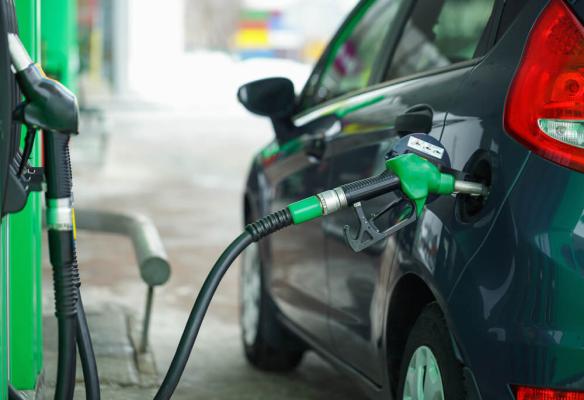
The combustion process
For proper combustion, heat and pressure must combine with fuel and air at the right moment. If part of the equation is disturbed, the fuel may not ignite correctly.
Grades available at stations
Because each engine is different and engines evolve over time, stations normally offer three grades of fuel:
- 87 octane fuel — standard for most vehicles
- 89 octane fuel — for engines with medium requirements
- 93+ octane fuel — for high-performance engines
Important: These grades are not tied to quality. None is inherently higher or lower quality than the others — they differ only in resistance to auto-ignition.
Diesel versus gasoline: what to choose
Advantages of a diesel engine
In evaluating the Diesel vs Gasoline relationship, diesel engines often offer:
- Longer service life — robust construction
- Better fuel economy — superior energy efficiency
- Higher engine torque — ideal for hauling or towing
- Lower CO2 emissions
Advantages of a gasoline engine
- Lower initial costs
- Simpler and cheaper maintenance
- Quieter operation
- Better acceleration at high RPMs
- Wider availability of fuel
Practical tips for the right choice
Always consult a specialist
A qualified mechanic can:
- Thoroughly inspect the vehicle
- Assess the engine’s condition
- Recommend the appropriate fuel grade
- Identify any existing issues
Factors to consider
- Vehicle age
- Engine condition
- Driving style
- Operating conditions
- Manufacturer recommendations
Ongoing monitoring
After choosing the fuel:
- Observe engine performance
- Listen for abnormal noises
- Monitor consumption
- Perform regular maintenance
Choosing the right fuel is not a one-time decision, but an ongoing process of monitoring and adapting to your vehicle’s specific needs.