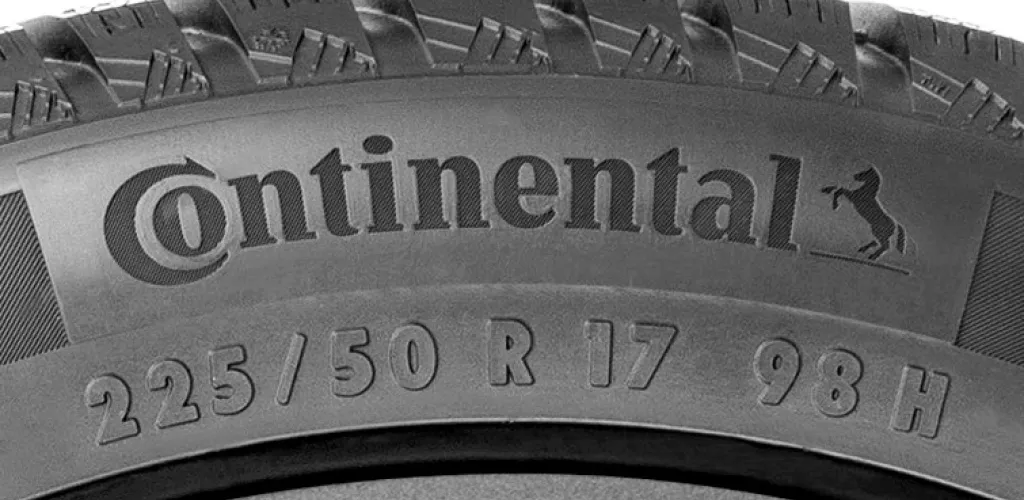
- Sidewall codes reveal tire size, performance, and technical characteristics.
- Vehicle class codes identify P, LT, ST, or T types.
- Width, aspect ratio, and rim diameter determine fit and handling.
- Load index indicates max weight; speed rating defines max speed.
Tires are more complex than they appear and are among the most critical components of your vehicle. They not only keep you on the road but also directly influence safety, comfort, and fuel efficiency. Understanding markings and technical specifications will help you make the right choice at your next tire change.
When you shop for new tires, you will notice that on the sidewall of each tire there is a code made of letters and numbers. This code contains essential information about the tire’s size, performance and technical characteristics.
Decoding the Tire Code
Vehicle Class
- P (Passenger) - passenger vehicles
- LT (Light Truck) - light trucks and large SUVs
- ST (Special Trailer) - special trailers
- T (Temporary) - temporary spare tires
Section Width
The first set of three digits represents the tire width in millimeters, measured from sidewall to sidewall. For example, 215 means the tire is 215 mm wide. This dimension directly affects the vehicle’s behavior — wider tires provide a larger contact patch with the road, improving grip, but can also increase fuel consumption.
Aspect Ratio (Profile)
After the slash comes a two-digit number representing the sidewall height as a percentage of the tire width. For example, 55 means the height is 55% of the 215 mm width. A lower profile (smaller number) offers sportier handling but reduces comfort.
Tire Construction
The letter following (usually R) indicates the construction type:
- R (Radial) - most common, cords run perpendicular to the direction of travel
- B (Bias Belt) - bias-ply construction
- D (Diagonal) - diagonal construction, rarer today
Radial tires are the industrial standard due to advantages: more even wear, lower rolling resistance and more predictable behavior.
Rim Diameter
The next number indicates the inner diameter of the tire, measured in inches. It must match exactly your wheel diameter. Common sizes are:
- 15-16 inches for compact cars
- 17-19 inches for sedans and mid-size SUVs
- 20+ inches for premium and sports vehicles
Load Index
This number indicates the maximum weight the tire can support at the recommended pressure. It is crucial to choose tires with an adequate load index for your vehicle.
| Index | Load (kg) | Index | Load (kg) | Index | Load (kg) |
|---|---|---|---|---|---|
| 75 | 387 | 91 | 615 | 107 | 975 |
| 80 | 450 | 95 | 690 | 110 | 1060 |
| 84 | 500 | 100 | 800 | 115 | 1215 |
| 87 | 545 | 103 | 875 | 120 | 1400 |
Important: Each tire should support roughly 25% of the vehicle’s weight, plus additional loads (engine on the front axle, luggage in the rear).
Speed Rating
The last letter in the code indicates the maximum speed the tire is designed to sustain:
| Rating | Max speed (km/h) | Typical use |
|---|---|---|
| Q | 160 | Winter tires |
| S | 180 | Family cars |
| T | 190 | Standard passenger cars |
| H | 210 | Sports vehicles |
| V | 240 | Sports cars |
| W | 270 | High-performance vehicles |
| Y | 300 | Supercars |
| Z | 240+ | Racing tires |
Anatomy of a Tire
A modern tire is a high-technology product, composed of multiple components that work together.
Bead
Made of steel wires wrapped in rubber, the bead provides a secure seat of the tire on the rim and seals the air. The stiffness of the bead also determines the force required to mount the tire.
Casing
The basic structure of the tire, formed by multiple layers (plies) of textile or steel materials. Modern materials include:
- Polyester - most common, offers flexibility and durability
- Nylon - for resistance to impact
- Aramid - for high-performance tires
Belt
Layers of steel or synthetic cords placed under the tread, providing rigidity and stability. The belt prevents tire deformation at high speeds and improves the even distribution of pressure.
Sidewall
Protects the internal structure and provides the necessary flexibility to absorb shocks. The thickness and composition of the sidewall influence comfort and handling.
Tread
The road contact surface, made from complex blends of natural and synthetic rubber. The design and tread depth determine performance in different conditions.
Seasonal Tire Types
Choosing the right tires for the season is crucial for safety and performance.

Summer Tires
Optimized for temperatures above 7°C, they offer:
- A rubber compound optimized for heat resistance
- Tread blocks for dry grip
- Wide channels for water evacuation
- Precise handling at high speeds
Winter Tires
Specifically designed for winter conditions:
- Rubber compound that stays soft and flexible at low temperatures
- Sipes for grip on ice
- Aggressive tread design for snow traction
- Superior performance below 7°C
All-season Tires
All-season tires represent a compromise:
- Rubber blend for a wide temperature range
- Moderate tread for mixed conditions
- Convenient for temperate climates
- Acceptable but not excellent in extremes
The Importance of Correct Tire Pressure
Tire pressure directly affects safety, tire life and fuel efficiency.

Effects of Incorrect Pressure:
Underinflation:
- Increased wear on the shoulders
- Increased fuel consumption
- Risk of overheating
- Unstable handling in corners
Overinflation:
- Wear in the center of the tread
- Reduced comfort
- Diminished grip
- Increased risk of damage from impact
Checking Pressure
Pressure should be checked:
- Weekly or before long trips
- When tires are cold
- According to the manufacturer’s specifications (not the maximum pressure listed on the tire)
- Including the spare wheel
The Mechanics of Rolling

Rolling Resistance Coefficient (RRC)
The force required to move the vehicle depends on:
- Vehicle weight
- Rolling resistance coefficient of the tires (typical 0.008-0.015)
- Type of surface (asphalt vs dirt vs sand)
- Tire pressure
Heat Generation
During rolling, tires generate heat due to:
- Cyclic deformation of the casing
- Friction with the road surface
- Flexing of the sidewalls
Excess heat can lead to premature material degradation.
Common Problems and Tire Wear

Wear patterns and their causes:
Center wear:
- Cause: overinflation
- Solution: reduce to the recommended values
Shoulder wear:
- Cause: underinflation
- Solution: proper inflation and regular checks
Edge wear on one side:
- Cause: wheel misalignment
- Solution: wheel alignment at a service
Wear in patches:
- Cause: wheel imbalance or suspension problems
- Solution: balancing and suspension check
When to Change Tires
Wear indicators:
- Tread depth below 1.6 mm (legal limit)
- Visible wear indicators
- Cracks in the sidewall
- Deformations or bulges
- Age over 6 years (regardless of wear)
Typical lifespan:
- 40,000-80,000 km for standard tires
- 60,000-100,000 km for premium tires
- Influencing factors: driving style, maintenance, road conditions
Manufacturer Warranties
When buying new tires, you will receive warranties for:
- Manufacturing defects (usually 4-6 years)
- Guaranteed mileage (varies between 40,000-160,000 km)
- Uniform wear (with specific maintenance conditions)
Tips to Maximize Tire Life
- Regular rotation - every 8,000-10,000 km for even wear
- Pressure checks - weekly or monthly
- Wheel alignment - annually or when changing tires
- Balancing - when mounting new tires
- Visual inspection - for damage or embedded objects
- Defensive driving - avoiding rapid accelerations and hard braking
Understanding these technical aspects will help you make informed choices and maximize safety and efficiency. Tires are your investment in safety - don’t skimp on this critical component.