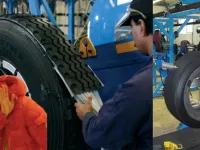
- Tires transmit power to ground and influence safety, braking, handling, and fuel efficiency
- Tires are classified by season and usage; specialized tracks and off-road types exist
- Summer tires grip above seven degrees Celsius with optimized compound and tread
- Winter tires stay flexible below seven degrees Celsius using silica compounds and dense blocks
Tires are the sole point of contact between your vehicle and the road, essential components that directly influence safety, performance, and fuel efficiency. Choosing the right tire type according to season and road conditions can mean the difference between a safe trip and a dangerous situation on the road.
In Romania, winter tires are required under certain weather conditions, but beyond legal aspects, understanding the differences between tire types available on the market will help you make the best decisions for your safety and that of your passengers.
What are tires and what is their role
A tire is, according to the technical definition, a circular rubber component mounted on the wheel rim of the vehicle and it provides direct contact with the running surface. Its main function is to transmit engine power to the ground through grip.
These characteristics directly determine:
- Safe cruising speed
- Braking distance
- Cornering and handling ability
- Fuel consumption
- Level of noise and comfort
These characteristics apply to all vehicle types, from bicycles and motorcycles to passenger cars and commercial vehicles.
Main classification of tires
Tires can be classified in several ways, but the most relevant split for everyday drivers is based on seasonality and usage conditions.
Specialized tires for extreme conditions
Before discussing the main categories, it is worth mentioning specialized tires:

-
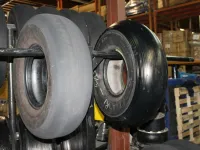
Track tires: They have minimal or even non-existent tread to maximize the contact surface with the asphalt. The soft compound provides exceptional grip, but durability is reduced due to accelerated wear at high temperatures.
-
Offroad tires: Equipped with aggressive tread blocks and large blocks in the tread, these are designed for running on rough terrain, mud, gravel or rocks.
Summer tires - Performance at high temperatures
A set of summer tires is designed specifically for operation at temperatures above 7°C. The main technical characteristics include:
Chemical composition
Rubber compounds are formulated to stay flexible and maintain grip at high temperatures, without becoming too soft.
Tread pattern design
- Less aggressive profile to reduce noise
- Circumferential channels for efficient water evacuation
- Larger blocks for high-speed stability
- Fewer sipes to maximize rigidity
Performance
- Excellent grip on dry and hot asphalt
- Shorter braking distances on dry surfaces
- Precise handling at high speeds
- Superior wear resistance at normal temperatures
Winter tires - Safety in extreme conditions
When the temperature drops below 7°C and the road surface is affected by snow, slush or ice, winter tires become essential for road safety.
Technical features
- Rubber composition: Contains special silica compounds that remain flexible at very low temperatures, unlike standard rubber which hardens.
- Tread design:
- Smaller and more numerous blocks for more contact points
- Wider channels for effective evacuation of snow and mud
- Sipes in zigzag shape for increased grip on ice
- Small studs for snow traction
Technical advantages
- Superior grip on snow, ice and frost
- Significantly reduced braking distances on slippery surfaces
- Improved traction on start and acceleration
- Increased stability in turns on a slick road
Legislation in Romania
According to Romanian legislation, vehicles must be equipped with winter tires (marked with M+S or 3PMSF) when the road surface is covered with snow, ice or frost.
Allseason tires - Compromise for moderate climates
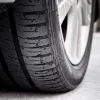
A set of allseason tires represents a technological compromise between summer and winter performance.
Design features
- Hybrid rubber composition for operation at variable temperatures
- Moderate profile with medium-sized blocks
- Combined system of sipes and channels
- Wear indicators for monitoring condition
Domains of applicability
These tires are ideal for:
- Regions with a moderate oceanic climate
- Areas with more rainfall than snow
- Urban use with relatively stable weather conditions
Limitations in Romania
In the climate conditions in Romania, allseason tires are not recommended as the primary winter solution for the following reasons:
- Very low temperatures affect the hybrid composition
- Abundant snowfall exceeds evacuation capacities
- Frost persistence requires specialized sipes
- Legislation may impose dedicated winter tires
When and how to change tires
Seasonal transition recommendations
Transition to winter tires:
- When the temperature consistently drops below 7°C
- Before the first frost forecast
- Proactively, in October in most regions
Returning to summer tires:
- When the temperature consistently rises above 15°C
- After the risk of night frost ends
- Usually in April–May
Factors to consider
Technical condition: Check tread depth (minimum legal 1.6mm, recommended 3mm for winter), even wear and absence of cracks.
Tire age: Even if unused, tires degrade with time. Check the DOT code for the year of production.
Tire pressure: Low pressure affects handling, fuel consumption and wear. Check it monthly.
Impact of correct choice on safety
Choosing the right tire type is not only a recommendation but a necessity for road safety. Comparative tests show that:
- On snow, winter tires reduce braking distance by up to 30% compared to summer tires
- On ice, the difference can reach 50% in favor of specialized tires
- At temperatures below 7°C, even on dry asphalt, winter tires offer superior performance
Understanding these differences and following seasonal recommendations not only ensures compliance with the law but can save your life in critical traffic situations.