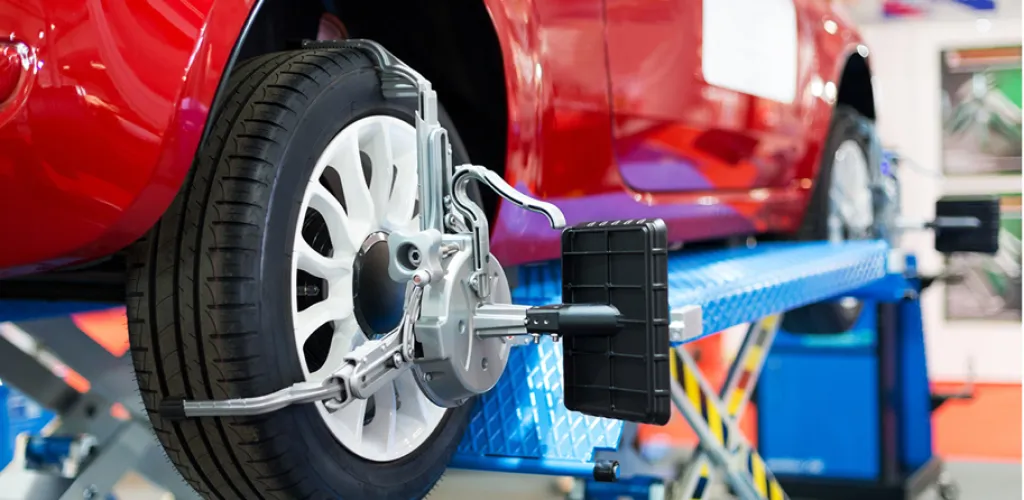
- Misaligned suspension geometry causes uneven tire contact with the road
- Incorrect tire pressure leads to center wear (overinflation) or edge wear (underinflation)
- Wheel imbalance and rim defects cause vibrations and accelerated tire wear
- Regular maintenance: keep pressure, align wheels, and balance tires to prevent uneven wear
Uneven tire wear is a warning signal that should not be ignored. Tires are the only direct link between your vehicle and the road, essential for safety, comfort, and performance. When they wear irregularly, it indicates a technical issue that requires immediate attention, potentially affecting not only tire life but also driving safety.
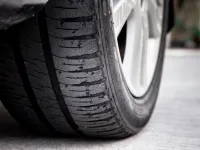
Uneven wear can take several forms: wear on the outer edges, on the inner side, in the center of the tread, or irregular patches. Each type of wear has specific causes and requires different solutions.
Main causes of uneven wear
Misaligned suspension geometry
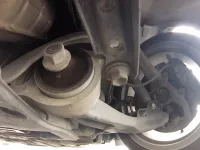
Each wheel is connected to the chassis through a complex suspension system with multiple components that must meet precise technical specifications. When toe angle, camber, or caster are not set correctly, the tire will not make uniform contact with the road.

Incorrect tire pressure
Maintaining correct tire pressure is crucial for even wear:
- Overinflation: Tires that are over-inflated will have reduced contact with the road, wearing prematurely in the center of the tread. There is also a risk of blowouts, especially in hot weather.
- Underinflation: Underinflated tires deform excessively, causing accelerated wear on the outer edges and a significant increase in fuel consumption.
The pressure should be checked monthly when the tires are cold, according to the vehicle manufacturer’s recommended values.
Wheel imbalance
The wheel-tire assembly must be perfectly balanced to rotate evenly. Imbalance can arise from several causes:
- Mounting a new tire on a wheel
- Loss of balancing weights
- Wheel rim damage from potholes
- Uneven tire wear that amplifies imbalance
An unbalanced setup will cause vibrations that are transmitted through the steering wheel and the body, accelerating uneven wear and affecting driving comfort.
Rim defects
Rims can suffer various damage that affects tire behavior:
- Bent rim
- Cracks
- Bead seal wear
These defects are often the result of impacts with potholes, curb hits, or other road obstacles.
Other possible causes
Worn suspension components
Faulty shocks, worn ball joints, or deteriorated bushings can allow abnormal wheel movement, causing uneven wear. A defective shock absorber cannot control vertical wheel motion effectively, creating cupping wear on the tire.
Braking system
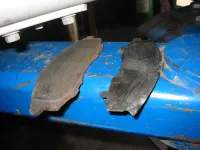
Sticking brake pads or faulty calipers can cause constant contact with the disc, generating excessive heat that affects the nearby tire.
Driving style
Abrupt accelerations and braking, fast cornering, and parking near curbs can accelerate uneven tire wear.
Solutions and preventive measures
To prevent uneven wear and extend tire life:
- Regular tire pressure checks — monthly, with cold tires
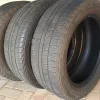
- Alignment — annually or every 20,000 km
- Wheel balancing — at mounting of new tires or when vibrations appear
- Tire rotation — every 10,000-15,000 km for even wear
- Inspect suspension components — during periodic service
- Defensive driving — avoid potholes, abrupt accelerations and aggressive cornering
Ignoring uneven wear can lead to premature tire replacement, additional repair costs, and, most importantly, compromised road safety.