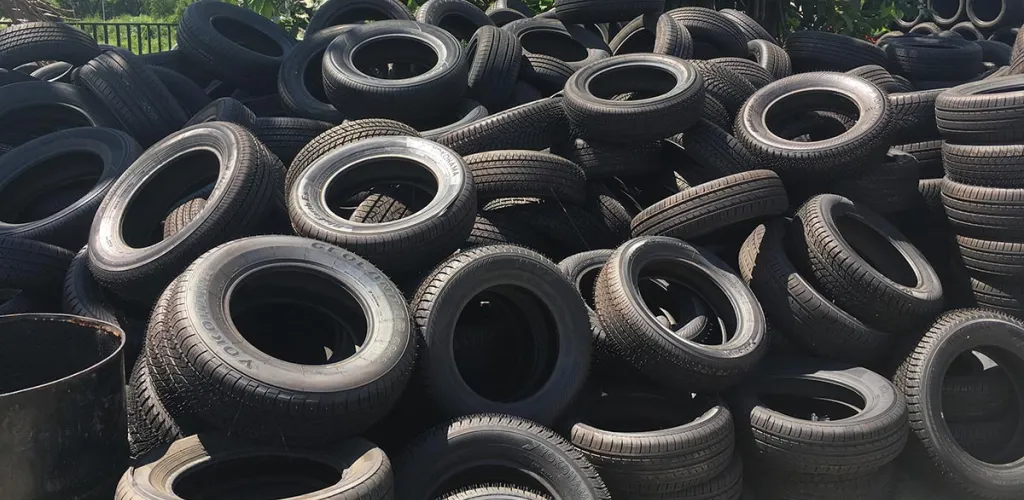
- Tread depth under 4-5 mm is dangerous, especially in wet or snowy conditions.
- Use wear indicators or a coin test to judge tread safety.
- Uneven wear signals alignment or suspension issues; avoid tires with exposed cords.
- Tire age matters: DOT code reveals manufacturing week/year; mold is a red flag.
Buying used tires can be a smart economic solution, but it requires careful evaluation to avoid long-term issues. While the cost of a full set of new tires can be significant, worn tires are a viable alternative if chosen carefully and meet safety criteria.
Before making this choice, analyze how you use the car, the distances you drive, and driving conditions. A quality used tire can offer satisfactory performance at a fraction of the price of a new tire, but only if its mechanical condition is appropriate.
Assessing the quality of used tires
Careful quality checking is the first step in the selection process. A worn tire must meet minimum safety criteria to be considered a viable option.
Checking tread wear
The tread is the critical element that determines grip and tire safety. A tire with a depth below 4-5 mm becomes dangerous, especially in wet conditions or on snow. Inadequate traction can compromise vehicle stability and increase the risk of an accident.
If the tire lacks visible wear indicators, the 10 bani coin test offers a quick evaluation. By inserting the coin into the tread grooves, if more than half remains visible, the tire is too worn for safe use.
Modern tires have wear indicators integrated into the grooves. When the tread reaches the level of these indicators, the tire must be replaced immediately, regardless of overall appearance.
Wear pattern analysis
The wear pattern provides valuable information about the tire’s history and the vehicle it was mounted on. Uneven tire wear indicates issues with wheel alignment, shocks, or improper inflation.
Wearing in a zigzag pattern on the edges of the tread suggests convergence problems, while wear on a single edge indicates incorrect camber. These abnormal wear patterns will reproduce on your car if the initial causes remain uncorrected.
It is essential to avoid tires with exposed cords on the tread. These tires are extremely dangerous, prone to blowouts, and must not be used under any circumstances.
Determining tire age
The tire’s age is identified by the DOT code on the sidewall. This code contains four digits indicating the manufacturing week and year. For example, code 2318 means the tire was made in the 23rd week of 2018.
Tires older than 5 years begin to show signs of rubber aging, regardless of visible wear. Natural rubber hardens and becomes more brittle over time, increasing the risk of cracking and blowouts.

Rubber is an organic material that degrades naturally. After 5 years, elasticity decreases, and after 10 years, the tire becomes dangerous even if it looks in good condition. Storage conditions significantly influence the degradation rate.
Extreme temperatures, whether very cold or very hot, accelerate aging. That is why tires stored under unsuitable conditions deteriorate more quickly than those kept at moderate temperatures.
Identifying mold traces
Mold on a tire is a red flag that should not be ignored. Cracks caused by mold can cause the tire to blow out at high speeds, endangering the occupants.
Carefully inspect the sidewall for fine cracks that may be visible only in good light. The sidewall bend test, bending the sidewall by about 3 cm, can reveal hidden cracks not visible in normal conditions.
Perform this test at multiple points around the circumference of the tire, checking both sides. Any crack, regardless of size, renders the tire unsuitable for use.
Checking for repaired areas
Previous repairs can compromise the tire’s structural integrity. Plugs and patches indicate prior punctures that were repaired but remain weak points.
Avoid tires with multiple repairs or repairs on the sidewall. Sidewall repairs are especially dangerous because this area bears high stresses and constant flexing.
If you must purchase a repaired tire, demand a substantial price reduction and treat it as a temporary solution until you replace it with a tire in perfect condition.

Purchasing a single tire
Buying a single tire requires special attention to compatibility and balancing with the existing set. Large differences in tires can affect vehicle handling and safety systems.
Checking compatibility
The new tire must match the exact dimensions of the existing one. Check the code on the sidewall of the tire you are replacing and look for the exact same size. Even small differences can affect ABS and ESP systems.
If the shop does not have the exact size, consult a specialist before accepting an alternative. Some sizes may be technically equivalent, but any change must comply with the vehicle manufacturer’s recommendations.
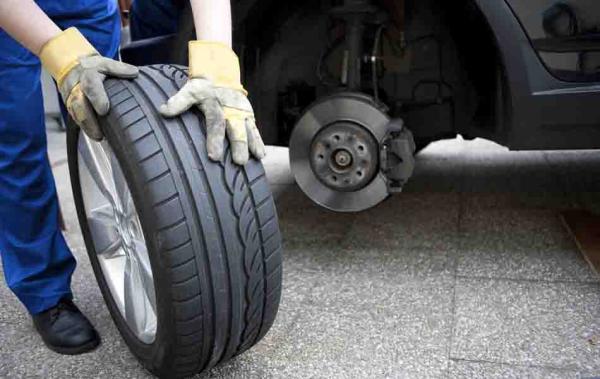
Unidirectional tires have a specific rotation direction marked on the sidewall. Incorrect mounting dramatically reduces performance and can be dangerous in wet conditions.
Comparing tread depth
The used tire should have a tread depth similar to or greater than the tire on the same axle. Large wear differences can cause unpredictable vehicle behavior and premature wear of transmission components.
A difference of more than 2 mm between tires on the same axle can affect stability and traction. On vehicles with all-wheel drive, differences can damage the center coupling or differentials.
Checking tire width
Width is the first number in the tire size code and is measured in millimeters. For example, in a 225/40R18 tire, the number 225 represents the width in millimeters.
Keeping the same width on the same axle is crucial for stability and traction. Width differences can cause oversteer or understeer, affecting vehicle control.
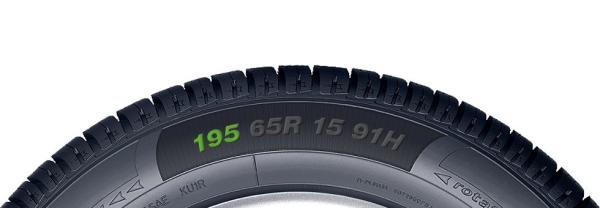
Checking the profile (tire aspect)
The profile or aspect ratio represents the height of the sidewall relative to the tire width, expressed as a percentage. A profile of 40 means the aspect height is 40% of the tire width.
Large profile differences on the same axle can affect vehicle behavior. Higher-profile tires offer more comfort but slower steering response, while low-profile tires provide greater precision but reduced comfort.
Purchasing a pair or a full set
When buying multiple tires at once, the advantages include uniform performance and the possibility of negotiating a better price. However, checks become more complex.
Buying in pairs
Pairs of tires must be identical in main parameters: width, profile, and diameter. These specifications are found on the sidewall code and must match perfectly.
The tire type, indicated by the letter P (passenger cars) or LT (light trucks), must be the same. Mixing types can cause handling and wear issues.
The tread pattern, while not as critical as size, should be similar to ensure uniform performance on the same axle.

Matching full sets
For a full set, it isn’t necessary for all four tires to be identical, but those on each axle should match perfectly. This flexibility allows greater savings by combining available offers.
Front tires can have a different tread pattern from the rear, as long as the basic parameters are compatible with the vehicle’s specifications. This approach is also acceptable for two-wheel-drive vehicles.
Regular tire rotation every 8,000-12,000 km extends the life of used tires by distributing wear evenly. This is essential practice to maximize investment.
Final considerations for purchase
Used tires can be a prudent choice if the selection is done with care and technical knowledge. Worn tire, when correctly evaluated, offers safety and performance at a reduced cost.
Professional evaluation before purchase includes checking wear uniformity, absence of mold cracks, acceptable age, and complete compatibility with the vehicle. These criteria ensure a safe and efficient purchase.
Compared to new tires, used options offer substantial savings but require more attention to selection and monitoring in use. The choice should be based on your specific driving needs and budget.
Photo sources: topgear.com.ph, magnumtruckracks.com, fifthwheelst.com, usautosales.info, blog.tyresnmore.com, sava-tires.com, express.co.uk