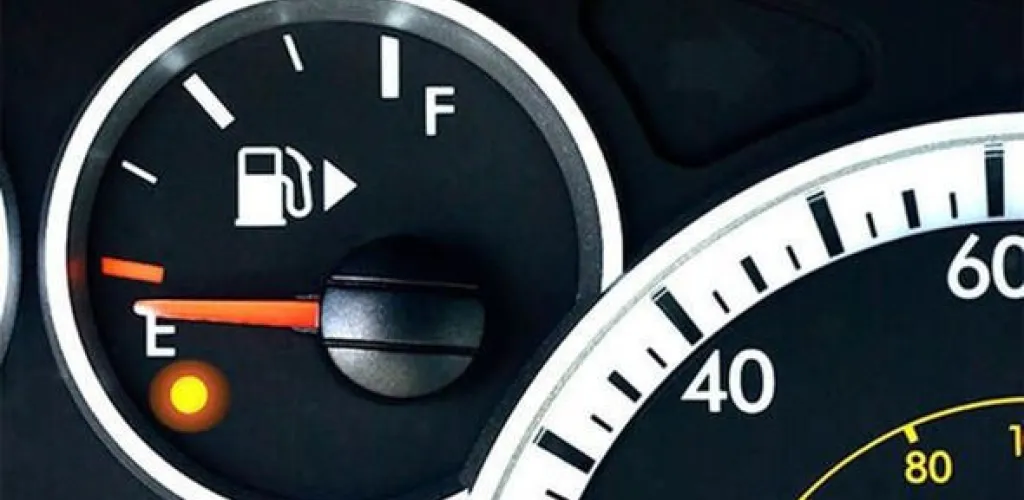
- Signs of running out: fuel light, power loss, misfires, rough idle.
- Immediate safety actions: hazard lights, steer off roadway, turn off engine, place triangle, stay calm.
- Seek help to refuel: In-city: call for fuel, taxi, apps; outside-city: tow or hitchhike.
- Restart after refuel: restarting may require priming fuel system; engine may need multiple cranks.
Running out of fuel, commonly referred to as ‘the fool’s gamble’, is an unpleasant situation that can be avoided with care and can be managed effectively if you know what to do. This situation not only puts you in an uncomfortable position but can also cause serious damage to your car’s fuel system.
Although it may seem like a simple problem, the consequences of running out of fuel can be costly, especially for modern cars with complex injection systems. In this comprehensive guide we explain everything about this situation and how to manage it properly.
Signs you are about to run out of fuel
The car does not stop abruptly when you run out of fuel - it will give you warning signs in advance. Recognizing these symptoms can make the difference between a controlled stop and an emergency situation:
- The engine no longer pulls with the same power, especially uphill
- The car shows intermittent signs of stopping with vibrations
- Gradual loss of power, especially on hills or in turns
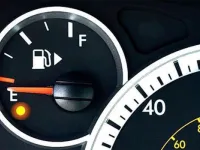
- Fuel warning light comes on (the LED with the letter E or the pump symbol)
- Uneven engine operation with misfires at idle
- Changed engine sound – it becomes harsher and irregular
- Starting difficulties or prolonged cranking
What to do immediately when you run out of fuel
1. Ensure safety
- Immediately activate hazard lights to signal other road users
- Try to move the car off the roadway – steer to the right as far as possible
- Turn off the engine and do not repeatedly try to restart it
- Place the reflective triangle at the regulatory distance (50 m in towns, 100 m on national roads)
- Stay calm – the situation can be resolved
2. Assess location and seek solutions
If you are in the city:
- Call someone to bring you a can of fuel
- Take a taxi or Uber to the nearest PECO station to buy a can of gasoline/diesel
- Check your phone apps for nearby PECO stations
- Look for auto shops that offer roadside assistance
If you are outside the city:
- Hitchhike to the nearest fueling station
- Call a 24/7 towing company, especially at night
- Get help from acquaintances in the area
- Use GPS apps to locate the nearest PECO station
3. Emergency trick for extreme situations
If you have a sturdy, airtight plastic bag at hand, you can pour one liter of water into it and insert it into the tank after sealing it very well. This will artificially raise the remaining fuel level and allow you to start the engine to reach the nearest station.
Note: This trick works only if there is still a small amount of fuel in the tank and should be used only in extreme situations!
Restart process after refueling
After you run out of fuel, the fuel system loses its prime and takes in air, complicating the restart process:
For gasoline engines:
- The fuel filter will partially empty of gasoline
- The electric pump must re-prime the system with fuel
- The engine may not start on the first attempt – it will take time for the system to re-prime
- Turn the ignition on 3-4 times without starting to allow the pump to fill the system
For diesel engines:
- The high-pressure system must be fully deaerated
- The fuel pump must eliminate air from the circuit
- The process may take longer than for gasoline engines
- It is normal for the engine to stop a few times after the first start
Serious consequences of running out of fuel
For gasoline cars:
Damage to the fuel pump:
- Risk of burning out the fuel pump – it cools and lubricates with fuel from the tank
- Overheating of electrical components inside the submersible pump
- Premature rotor wear due to lack of lubrication
Contamination of the system:
- Dragging impurities from the tank bottom into the injection system
- Blockage of injectors with solid particles
- Affecting the electronic ignition system
For diesel cars:
Damage to the injection system:

- Risk of damage to the [Injection pump] can occur – diesel acts as a lubricant for moving components
- Damage to the high-pressure pump (Common Rail)
- Injector wear due to lack of lubrication
Lubrication issues:
- Production of metallic swarf contaminating the injection system
- Wear of high-pressure pump components
- Costly damage to the fueling system
Long-term overall effects:
- Lower fuel pressure when the filter becomes clogged with impurities
- Loss of engine power and risk of unexpected stalling
- Increased risk of accidents due to degraded vehicle control
- Impact on automatic transmission on some models
- Reduced lifespan of fueling system components
- High repair costs for pump replacement and system cleaning
Strategies to prevent running out of fuel
Smart fueling rules:
- Never run on reserve – fuel when the gauge hits the red line
- Keep at least a quarter tank in urban areas
- Keep at least half a tank in rural areas and on long trips
- Refuel proactively if the fuel gauge is not functioning correctly
- Plan fueling before long journeys
Monitoring and maintenance:
Regular checks:
- Monitor your real fuel consumption to estimate range
- Regularly check the fuel level using on-board warning systems
- Pay attention to warning lights – do not ignore early signals
- Test periodically the fuel level sensor
Optimizing consumption:
- Check and maintain optimal tire pressure – worn tires can increase consumption by up to 15%
- Adjust pressure according to load and road type
- Perform regular service to maintain engine efficiency
- Replace the air filter according to the maintenance schedule
Recommendations for special situations
In difficult weather conditions:
- Keep the tank fuller in winter – condensation can freeze in the fueling system
- Use anti-freeze diesel additives in the cold season
- Avoid running on reserve in rain – higher risk of accidents
For long journeys:
- Plan fueling stops every 200-300 km
- Check the availability of PECO stations along the route
- Keep contact information for road assistance services
- Consider carrying a spare fuel can in isolated areas (respect safety regulations)
What NOT to do ever
- Do not keep a canister of fuel in the car for extended periods – it poses fire and damage risk
- Do not ignore signals that fuel is running low – expensive damage may occur
- Do not ride in a stranger’s car during an emergency – evaluate risks carefully
- Do not make a habit of driving on reserve – premature wear of the system
- Do not neglect checking fuel level before long trips
- Do not force the engine to start after running out of fuel – you can damage the ignition system
- Do not add dubious-quality fuel – may cause additional problems
Tips for fuel economy
Efficient driving techniques:
- Drive proactively and avoid sudden acceleration and braking
- Keep a steady speed on long roads using cruise control
- Anticipate traffic to avoid frequent stops
- Use the gear shift efficiently – keep engine RPM in the optimal range
Vehicle optimization:
- Use climate control wisely – at low speeds prefer opening windows
- Remove unnecessary weight – every 100 kg of extra weight increases consumption by 5-7%
- Check aerodynamics – roof racks increase consumption
- Plan routes to avoid heavy traffic
Costs and financial implications
Costs of running out of fuel:
- Towing services: 150-300 RON
- Taxi to the PECO station: 20-50 RON
- Fuel canister: 30-50 RON
- Potential pump repairs: 800-2500 RON
- Cleaning the injection system: 300-800 RON
Benefits of prevention:
- Preventive refueling only costs extra time
- Regular maintenance prevents costly faults
- Monitoring consumption optimizes fuel expenditures
Running out of fuel is not just a temporary nuisance – it can cause serious and costly damage to your engine. By constantly monitoring fuel levels, refueling preventively, and keeping up with maintenance, you can avoid this situation and extend your car’s life.
Remember: prevention is always cheaper than repair! Timely refueling can save you hundreds or even thousands of lei in future repairs.