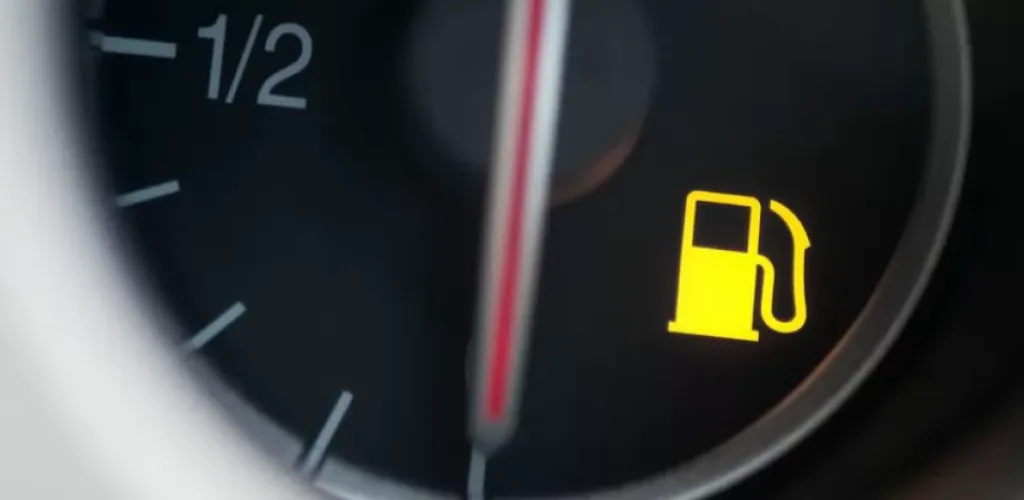
- Low fuel can overheat the fuel pump, risking seizure and costly repairs.
- Driving on hills or with steep maneuvers can flood the engine and stall.
- Low fuel may allow deposits to enter the system, causing filter clogging and performance loss.
- Diesel risks include injector wear and high-pressure pump damage from dirt buildup.
Driving with a nearly empty fuel tank is a common habit, but few people know the real risks involved. While it may seem like a simple time saver or a harmless delay, this practice can lead to costly fuel-system failures and even dangerous situations on the road.
The following sections explore the main risks, diesel-specific considerations, warning systems, scenarios you might face, and practical tips to avoid problems.
Main risks of driving with insufficient fuel
Fuel pump failure
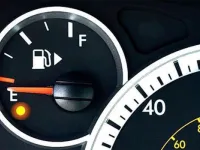
A major risk of fuel starvation is damage to the vehicle’s electronic ignition system, especially the fuel pump. This component is located in the fuel tank, and the fuel also helps cool the pump.
When the fuel level drops below a certain threshold, the pump is no longer fully submerged and starts to draw air. In these conditions, the electric motor of the pump overheats quickly because the fuel-based cooling is lost. This can lead to the pump seizing or burning out, a repair that can cost between 800 and 2,000 lei, depending on the make and model of the car.
Engine flooding on challenging routes
Driving the car on an incline, navigating switchbacks, or making aggressive steering maneuvers while the tank holds only a small amount of fuel can lead to engine flooding and failure. Fuel migrates within the tank and no longer reaches the fuel pump.
This phenomenon is especially dangerous in heavy traffic or on mountain roads, where a sudden engine shutdown can create dangerous situations for you and other road users.
Accumulation of impurities in the fuel system
Another important aspect is the dirt and residues that accumulate in the fuel over time. Sediments settle at the bottom of the tank, so when the fuel level is low, some of these deposits can enter the engine and risk clogging the fuel filter.
Clogging the fuel filter will disrupt the fuel circuit and negatively affect engine performance:
- Difficult engine starts
- Delayed throttle response
- Rough idle
- Increased fuel consumption
- Power loss on climbs
Moreover, a sudden engine shutdown while driving poses a serious safety risk, making the car uncontrollable with failed brakes assist and steering assist.
Diesel engine specifics
Regarding diesel shortages, note that diesel is dirtier than gasoline, which can bring considerable deposits into the car’s tank. The filter is supposed to block these residues, but this is not always the case, especially with an old filter. Impurities can lead to significant costs over time:
- Premature injector wear (replacement cost: 1,500–4,000 lei per set)
- Blocking of the high-pressure pump
- Deterioration of the fuel-supply circuit
In addition, for diesel engines, air entering the fuel system requires complete venting of the circuit, an operation that can take 30 minutes to an hour at a specialized workshop.

Warning and monitoring systems
To avoid ending up in this situation, monitor the fuel gauge and warning messages. The car’s computer can estimate the remaining distance you can travel with the fuel left in the tank.
Modern warning systems include:
- Orange/yellow warning light — illuminates when about 10-15% of the tank capacity remains
- Audible warning — on newer cars, a sound accompanies the warning light
- Digital display with remaining range — calculates the estimated kilometers left
- Central display text messages — suggests nearby fueling stations
All these warnings aim to prevent fuel exhaustion while the car is in traffic.
Possible scenarios in case of a fuel shortage
Urban environment shortage
If you do find yourself with a fuel shortage in the city, consider yourself lucky. Walking distances to the nearest gas station are short and manageable. However, you should account for:
- Time lost (minimum 30–45 minutes)
- Risk of a fine for inappropriate parking
- Stress and inconvenience
Shortage on a national road or highway
Fuel exhaustion outside the city, on a national road or highway, is less favorable. The situation can be managed calmly, but you should be aware it will involve extra costs that could have been avoided:
- Roadside assistance services: 150–300 lei
- Emergency fuel transport: 100–200 lei
- Auto platform/tow: 300–800 lei, depending on distance
The final and most expensive option is to call for a tow to resolve the incident. No need to discuss what hour it might happen—the night is not friendly to quick problem resolution.
How the real remaining range is calculated when the warning is on
The number of kilometers you can still travel after the fuel warning depends on the car, road conditions, weather, driving surface, and driving style.
Estimated calculation method
To estimate the remaining kilometers after the warning light comes on, you can use this calculation:
- Identify the total tank capacity (found in the car’s owner manual)
- Note the vehicle’s average consumption (from the onboard computer)
- Refuel the car immediately when the warning light comes on
- Subtract the liters added from the total tank capacity
- Multiply the result by the number of kilometers traveled per liter of fuel
Practical examples
Example 1 – Gasoline-powered car:
- Tank capacity: 50 liters
- Average consumption: 7 liters/100 km
- Liters added when the warning came on: 43 liters
- Remaining reserve: 50 - 43 = 7 liters
- Estimated range: (7 liters / 7 liters/100 km) × 100 = 100 km
Example 2 – Diesel-powered car:
- Tank capacity: 60 liters
- Average consumption: 5 liters/100 km
- Liters added when the warning came on: 52 liters
- Remaining reserve: 60 - 52 = 8 liters
- Estimated range: (8 liters / 5 liters/100 km) × 100 = 160 km
It goes without saying that, to fit within these values, you must adopt a preventive, defensive driving style, avoiding abrupt accelerations and hard braking.
Factors influencing real range
Even if you perform the mathematical calculation, real range can vary significantly depending on:
Traffic conditions
- Heavy urban traffic: consumption can be 30–50% higher than the calculated average
- National road at steady speeds: consumption close to or below the average
- Highway at high speeds: consumption increases by 20–40%
Weather conditions
- Low temperatures: consumption increases by 10–20% due to engine warming
- Air conditioning on: adds 10–15% to consumption
- Rain or snow: higher rolling resistance
Driving style
- Sudden accelerations can raise consumption by up to 40%
- Maintaining a constant speed optimizes consumption
- Using Eco modes reduces consumption by 5–10%
Recommendations to avoid problems
In conclusion, our recommendation is to avoid false economy with fuel. Refueling with the last remnants of the tank can result in net higher costs:
- Replacement of fuel pump: 800–2,000 lei
- Replacement of fuel filter: 80–200 lei
- Cleaning the tank and fuel system: 300–600 lei
- Engine repairs caused by impurities: variable, up to several thousand lei
Basic rules for healthy fuel-system maintenance
- Do not let the tank drop below 25% — this is the optimal threshold to protect the pump
- Refuel at reputable stations — fuel quality makes a difference
- Replace the fuel filter per the manufacturer’s recommendations — usually at 30,000–60,000 km
- Avoid frequent refueling in small quantities — prefer a full tank
- Monitor consumption — sudden increases can indicate problems
In practice, it is not wise to drive the car with the gauge at or near empty due to the risk of overheating or even fuel-pump blockage. This pump sits inside the fuel to help cool the electric motor; when it is not submerged, it receives less cooling air. In these conditions, the component will fail, and replacing it will cost considerably more than the savings from delaying a trip to the pump.
Ultimately, your car’s safety and reliability deserve more than a few lei saved by delaying a visit to the pump. A properly fueled tank means a car ready for any situation and long-term maintenance costs kept in check.