- Find your tire size on the sidewall, manual, or door-frame label
- Understand size code like 225/55 R17 94V: width, aspect, radial, diameter
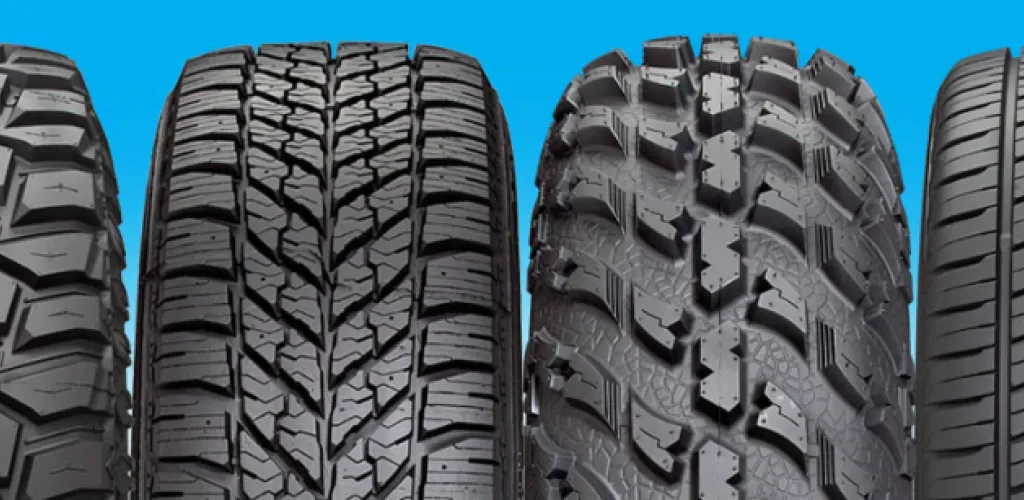
- Choose tires by driving conditions: summer, winter, or all-season
- Balance budget with mid-range options; higher durability may lower cost per kilometer
Tires are one of the most important components of your vehicle, acting as the direct contact point with the road. They decisively influence safety, comfort, fuel consumption, and overall performance. Unfortunately, for many drivers, the tire-buying process can seem daunting due to the wide variety of brands, technical specifications, and tire types available on the market.
How to navigate all these options and make the right choice? While there is no universal solution that fits everyone, there are key factors you should consider to make the wisest decision.
Understanding dimensions and technical specifications
How to identify the correct size
The first and most important step is to determine the exact size of your tires. This information can be found in several places:
- On the sidewall of your current tire
- In the vehicle’s technical manual
- On a label usually located on the driver’s door frame

Deciphering the size code
A typical size such as 225/55 R17 94V contains essential information:
- 225 - tire width in millimeters
- 55 - aspect ratio (sidewall height as a percentage of width)
- R - radial construction (standard for modern tires)
- 17 - wheel diameter in inches
- 94 - load index (maximum load capacity)
- V - speed rating (maximum safe speed)
Adhering exactly to these specifications is crucial for safety and optimal performance.
Choosing the right type for driving conditions
Summer tires
Designed for temperatures above 7°C, summer tires offer:
- Excellent grip in warm and wet conditions
- Shorter braking distances on dry asphalt
- Lower rolling resistance for better fuel economy
- Minimal rolling noise
Winter tires
Essential for safety in cold seasons, winter tires stand out for:

- Rubber compound optimized for low temperatures
- Tread patterns with sipes for grip on snow and ice
- Superior performance below 7°C
- Legal mandatory in many European countries
All-season tires
All-season tires represent a compromise:
- Year-round use
- Acceptable performance in most conditions
- Convenient for regions with mild winters
- Cost-effective for many drivers
Setting and managing the budget
Factors that influence price
Tire prices vary significantly depending on:
- Premium vs. budget brands
- Technologies included
- Tire size
- Intended use and performance
Saving strategies
Not always the most expensive is the best choice for your needs. Consider:
- Mid-range tires often offer the best quality-price ratio
- Investing in a quality set pays off in the long term
- Cost per kilometer can be lower with more durable, pricier tires
How to take advantage of favorable offers
Types of promotions available
Specialty tire shops frequently offer:

- Discounts for purchasing a full set
- Free tires with the purchase of three
- Discount percentages on specific brands
- Complete packages with mounting included

Where to look for the best deals
- Tire specialty stores - expertise and full services
- Auto parts stores - wide selection and competitive prices
- Online platforms - easy comparisons and home delivery
- Auto service centers - bundled packages with mounting
Assessing durability and warranties
Durability indicators
Guaranteed mileage varies significantly:
- Budget tires: 20,000-40,000 km
- Mid-range tires: 40,000-60,000 km
- Premium tires: 60,000-80,000+ km
Factors affecting lifespan
- Driving style - sudden accelerations and heavy braking reduce life
- Tire pressure - incorrect pressure causes premature wear
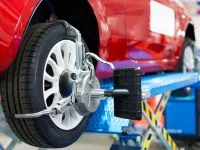
- Wheel alignment - misalignment leads to uneven wear
- Regular rotation - ensures even wear across all tires
Advanced technical aspects to consider
EU tire label
Since 2012, EU tires carry mandatory labels indicating:
- Fuel efficiency (A-G)
- Wet grip (A-G)
- External noise (in decibels)
Modern technologies
Contemporary tires integrate:
- Silica compounds for improved grip
- TPMS (tire pressure monitoring systems) for optimum pressure
- Asymmetric design for superior performance
- Steel or Kevlar reinforcements for durability
When and how to replace tires
Signs that you need new tires
- Tread depth below 1.6 mm (legal minimum)
- Uneven wear indicating technical issues
- Cracks or damage on the sidewall or tread
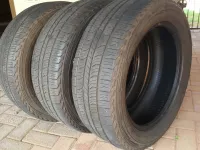
- Tire age over 6-8 years, regardless of wear
Mounting and bedding-in tips
- Balancing and alignment are essential after mounting
- Bedding-in the first 500 km should be done cautiously
- Check tire pressure weekly in the first months
- Rotate tires every 10,000 km for even wear
Choosing the right tires is an investment in your safety and comfort. By considering all these factors and staying well informed, you can make a decision that serves your long-term needs and gives you confidence on the road.