- Factors influence fuel use include weight, aerodynamics, driving style, maintenance, traffic, RPM, weather.
- Gasoline engines: shift 2000–2500 rpm, avoid exceeding 3000 rpm, use highest gear.
- Diesel engines: shift 1800–2000 rpm; lower RPM improves efficiency; avoid lugging.
- Efficient driving uses 3-second gaps, anticipates traffic, smooth acceleration, and engine braking.
Against the backdrop of rising fuel prices, fuel economy has become a priority for most drivers. By applying proper driving techniques and appropriate maintenance, you can reduce consumption by up to 30%, saving significantly on your monthly budget and helping protect the environment.
These strategies are not just about financial savings — they represent a set of practices that improve engine efficiency, extend the vehicle’s life, and reduce environmental impact.
Factors influencing fuel consumption
Understanding the factors that affect consumption is the first step toward more efficient driving:
- Vehicle weight — every additional 45 kg increases consumption by 1-2%
- Aerodynamic resistance — additional accessories affect airflow
- Driving style — abrupt accelerations and unnecessary braking
- Vehicle condition — poor maintenance can double consumption
- Traffic conditions — frequent stops in the city vs. steady speed
- Engine RPM — consumption rises by 70% above 3000 rpm
- Weather conditions — wind, rain, and extreme temperatures
- Fuel quality — adherence to manufacturer specifications
Correct gear-shifting technique
Optimizing engine RPM
The most important factor for reducing consumption is correct gear shifting. This technique can reduce consumption by up to 25% and extend engine life.

For gasoline engines:
- Shift around 2000-2200 rpm (maximum 2500 rpm)
- Avoid exceeding 3000 rpm in normal driving
- Use the highest gear possible for the current speed
For diesel engines:
- Shift at 1800-2000 rpm
- Diesel engines are more efficient at lower RPM
- Avoid excessive lugging which can cause carbon deposits
Impact of gear ratio on consumption
At a speed of 60 km/h, the car will consume 20-25% more fuel in third gear than in fifth gear. Keeping the highest possible gear reduces RPM and saves fuel significantly.
Optimal speed and efficient driving techniques
Identifying your vehicle’s preferred speed
Each vehicle has an optimal cruising zone, usually between 90 and 120 km/h. Manufacturer-declared consumption figures are calculated for speeds between 60 and 94 km/h.
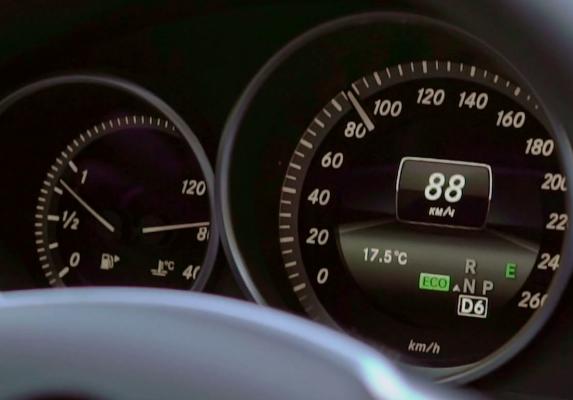
If you drive at a constant 120 km/h outside built-up areas, the vehicle will consume 10-15% more than the official figures. At speeds above 120 km/h, consumption rises dramatically — 150 km/h can increase consumption by up to 40%.
Anticipation and smoothing traffic
Fundamental principles for efficient driving:
- Maintain a following distance (minimum 3 seconds)
- Anticipate traffic lights and traffic to avoid unnecessary stops
- Use progressive and uniform accelerations and decelerations
- Avoid accelerating toward a red light or a curve
- Use engine braking together with service braking
Brisk accelerations and braking consume significantly more fuel and reduce safety on the road. A defensive driving style can reduce consumption by 10-15%
Correct deceleration technique
Contrary to popular myth, do not coast with the engine in neutral to “save” fuel. In modern vehicles, consumption will be zero or very close to zero when decelerating using engine braking in a higher gear, as the fuel supply is cut off by the ECU.
Efficient use of cruise control

Cruise control on the highway can reduce consumption by 6-8% by:
- Maintaining a constant speed without involuntary variations
- Eliminating unconscious accelerations
- Automatically optimizing fuel use over long segments
Optimizing the vehicle’s aerodynamics
Eliminating accessories that increase resistance
At speeds above 80 km/h, aerodynamic resistance becomes the dominant factor in fuel consumption:
- Roof racks significantly reduce aerodynamics and increase consumption by 10-25%
- Bike racks increase drag even when empty
- Aftermarket accessories can affect the factory-optimized air flow
- Remove accessories when not in use
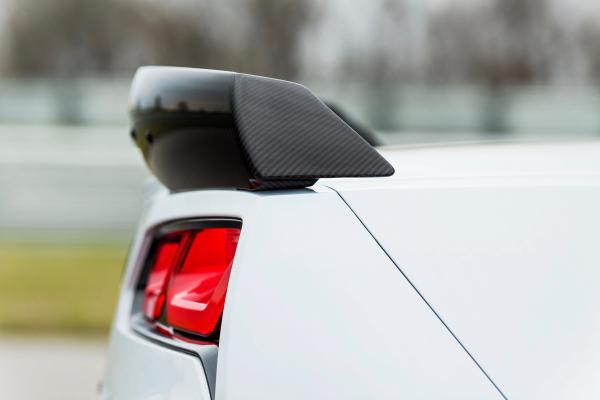
- Decorative spoilers with no aerodynamic function can increase consumption
The window vs. air conditioning strategy

Basic rule for maximum efficiency:
- Below 50-60 km/h: Slightly open windows are more efficient
- Above 60-80 km/h: Air conditioning becomes more economical
- Use the recirculation mode in the city for maximum efficiency
- Air conditioning can increase consumption by up to 2 L/100 km (10-15%)
Reducing vehicle weight
Smart cabin decluttering

Remove unnecessary items from the vehicle:
- Very large and heavy tool kits (keep only essentials)
- Snow chains in summer
- Excess fluids beyond normal safety needs
- Sports equipment not used daily
- Other items that accumulate in the trunk
- Avoid transporting fuel in containers (safety risk)
City fueling strategy
In urban environments, you can keep the fuel tank half-full to reduce weight by up to 30 kg. With fuel stations on every corner in the city, this strategy is practical and efficient for daily trips.
Tire maintenance for maximum efficiency
Optimal tire pressure
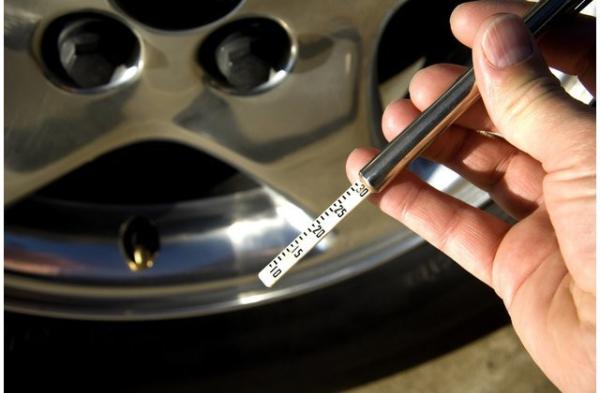
Underinflated tires increase the contact patch with the road, forcing the engine to work harder. Vehicles consume 5-10% more when tires are not properly inflated.
Even a drop of 0.3 bar can increase consumption by 3-10% and reduce tire life by up to 15%.

Check monthly the tire pressure and follow the manufacturer’s recommendations (found in the manual or on the door pillar label).
Choosing energy-efficient tires
Select tires oriented toward fuel economy, rated with indicators from A to G for:
- Energy efficiency (rolling resistance)
- Wet grip
- Noise level
Important: Between low consumption and higher grip, safety should always be the priority.
Avoiding overinflation
Overinflated tires can cause uneven wear and negatively affect fuel economy by reducing the contact patch, in addition to obvious safety risks.
Engine management and Start-Stop technology
Smart engine shut-off
Studies show that if the engine runs at idle for more than 10 seconds, it consumes more fuel than if it were turned off and restarted.
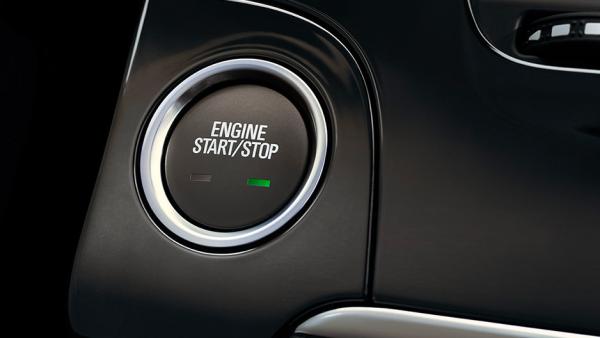
Turn off the engine when:
- You are stationary for more than 30-60 seconds
- Waiting at railway crossings
- In long traffic jams
- Carrying out long loading or unloading
Modern vehicles with Start-Stop technology confirm the efficiency of this practice by automatically stopping the engine at 0 km/h under optimal conditions.
Proper engine warm-up in winter
Incorrect method: Letting the vehicle idle for 15-20 minutes while parked
Correct method:
- Start the engine
- Wait 10-30 seconds (longer for turbocharged engines)
- Move off when RPM returns to normal idle
- Gentle driving for the first 3-5 minutes
The engine warms up three times faster while driving than at idle. Very short trips (less than 3 km) disproportionately waste fuel due to engine cold start.
Maintenance for maximum efficiency
Filters and fluids — critical factors

A clogged air filter can cause the vehicle to consume almost double compared to normal.
Essential checks to maintain efficiency:
- Change filters according to the manufacturer’s recommendations
- Clean reusable air filters between changes
- Adhere to engine oil change intervals
- Use high-quality oil that matches exact specifications
- Check the fuel filter — restricts fuel flow
- Maintain the ignition system (spark plugs, coils) on gasoline engines
- Check injectors for optimal operation
Comprehensive servicing and diagnostics
A preventive maintenance program should include:
- Performing all services at the recommended intervals
- Checking injection and ignition systems
- Inspecting the exhaust system for restrictions
- Testing sensors and ECUs for proper operation
- Electrical system diagnostics — corrosion can cause excessive alternator load
- Suspension and alignment checks — improper geometry adds resistance
Smart fueling strategies
Choosing the right gas station
- Avoid highway gas stations (prices are 10-15% higher)
- Look for areas with more stations to foster healthy competition
- Avoid isolated stations that practice monopolistic pricing
- Use mobile apps to compare real-time prices
Timing and technique of fueling
- Fuel in the morning when fuel is cooler (higher density)
- Avoid very hot days when vaporization is intense
- Do not fuel when the refueling tanker arrives (sediments in suspension)
- Let the pump drain completely for the exact quantity
- Use the fuel recommended by the manufacturer for optimal performance
- Avoid overfilling the tank which can cause system issues
Choosing a vehicle for your lifestyle
For urban use (less than 15,000 km/year)
- A smaller, lighter vehicle for maneuverability
- Engine up to 2.0 liters for urban efficiency
- Prefer petrol for short trips and frequent starts
- Consider hybrid options for dense traffic with frequent stops
For long trips (over 15,000–20,000 km/year)
- Diesel engine between 2.0–3.0 liters for efficiency over long distances
- A larger vehicle for comfort and stability on highways
- Features for long journeys
- Large fuel tank capacity for extended range
Modern technologies and optimizing travel
Investing in efficient technologies
- Electric vehicles: lower operating cost—roughly half of internal combustion
- Hybrid vehicles: greater efficiency in urban traffic with energy recovery
- Intelligent navigation systems: optimize routes to avoid traffic
- Real-time monitoring apps: track consumption and driving style
- Eco Mode — automatically optimizes engine response for efficiency
- Adaptive cruise control — automatically maintains the optimal distance
- Gear shift indicator — guides you to optimal consumption
Reducing and optimizing trips
- Plan routes to combine multiple activities in one outing
- Use public transport or bicycles for short distances
- Consider work-from-home to reduce daily commuting
- Evaluate the real necessity of each trip
- Use navigation apps to avoid congestion
- Choose times with light traffic when possible
- Walk very short distances (sub 2-3 km)
- Avoid unpaved roads which significantly increase consumption
Advanced techniques and important details
Efficient driving in special conditions
On descents and in traffic: Contrary to popular belief, do not drive with the engine idling (in neutral). Engine braking consumes less than idling and provides better vehicle control.
Personal preparation:
- Avoid very thick-soled shoes for precise pedal control
- Properly adjust the seat and steering wheel for comfort and efficiency on long distances
Smart trip planning:
- Check traffic conditions before departure
- Choose alternative routes based on weather conditions
- Avoid peak hours when possible for smoother traffic flow
Dangerous practices to avoid
We do not recommend the following practices for safety reasons:
- Driving directly behind trucks with insufficient following distance (high crash risk)
- Excessively overinflating tires (risk of tire blowout)
- Stopping the engine while moving or on grades (loss of assist systems)
- Driving with the AC off in extreme heat (health risk)
- Severe diesel engine lugging (carbon deposits and premature wear)
- Ignoring service intervals for short-term savings
Monitoring and measuring savings
Precise calculation of real consumption
- Track consumption on different route types (urban, extra-urban, mixed)
- Note seasonal differences and the impact of weather conditions
- Compare real consumption with official manufacturer figures
- Identify driving patterns that affect efficiency
- Keep a detailed fueling log for long-term analysis
- Use specialized apps for automatic monitoring
Key indicators to track
- Average consumption per 100 km in different conditions
- Percentage difference between city and highway
- Weather impact on efficiency
- Trend in consumption over time (may indicate service needs)
- Correlation between driving style and instantaneous consumption
Concrete examples of achievable savings
- Correct tire pressure: 3-10% saving (RON 50-150/month)
- Efficient driving techniques: 10-20% saving (RON 150-300/month)
- Proper preventive maintenance: 5-15% saving (RON 75-225/month)
- Weight reduction: 2-5% saving (RON 30-75/month)
- Intelligent use of climate control: 5-10% saving (RON 75-150/month)
- Correct gear shifting: up to 25% saving (RON 375/month)
Total potential savings: 25-60% under optimal application conditions
Conclusion
By systematically applying these techniques — especially by adopting intelligent driving with optimal RPM gear changes — you can reduce fuel consumption by up to 30%. The most impactful and immediately applicable strategies are:
- Shift gears at optimal RPM: 2000-2200 rpm (gasoline) or 1800-2000 rpm (diesel)
- Maintain a steady speed in the efficient range (90-120 km/h)
- Check tire pressure monthly according to manufacturer specs
- Embrace anticipatory driving to eliminate abrupt accelerations and braking
- Rigorous preventive maintenance focusing on tires, filters, and fluids
- Remove unnecessary weight and accessories that harm aerodynamics
- Manage climate control intelligently based on driving conditions
- Develop a preventive and energy-efficient driving style
These practices will not only substantially reduce your fuel costs but also extend your vehicle’s life, lower emissions, and improve safety on the road. An investment in preventive maintenance and education for efficient driving pays back quickly through long-term fuel savings.