- GPS fleet monitoring reduces fuel costs by tracking consumption, routes, stops, and driver behavior
- Real-time location, route tracking, speed monitoring, and tachograph data support fuel management
- Precise consumption evaluation via CAN data, with optional liquid-level fuel probe
- Fuel theft prevention is a key benefit of GPS monitoring
In the current context of rising fuel prices and the need to optimize operating costs, GPS fleet monitoring has become an essential solution for companies with vehicles. This technology enables not only tracking the location of vehicles but also detailed analysis of fuel consumption, contributing to significant reductions in fuel expenses.
Modern GPS systems provide a comprehensive view of fleet activity, from routes and stops to driver behavior and exact fuel consumption on each route.
Principles of GPS Fleet Monitoring
Advances in technology have made GPS systems indispensable in modern fleet management. They can be installed on any type of equipment, regardless of the activity domain: passenger transport, freight, public services, construction, agriculture, or courier services.
Among the main functions of a GPS system for fleet monitoring are:
- Real-time location of each vehicle in the fleet
- Tracking the exact route with all stops and breaks
- Monitoring speed and generating reports on driving style
- Access to tachograph data for work schedule control
- Evaluating fuel consumption based on conditions and routes
Types of GPS Systems for Vehicles
Integrated Standard GPS
Integrated standard GPS systems are built into the vehicle’s dashboard and benefit from a dedicated touchscreen. They are connected directly to the car’s systems, allowing access to detailed technical information about consumption and performance.
Classic GPS with Dedicated Display
Classic GPS with dedicated displays represent the early generations of GPS systems, characterized by simple displays for map visualization. Updates are performed via CD or USB stick, but these models are becoming increasingly rare in modern vehicles.
GPS Systems with Android/Apple CarPlay
The most advanced navigation systems in the automotive field, these allow connecting a smartphone and projecting apps onto the vehicle’s central screen. Vehicles such as the new-generation Alfa Romeo Giulia benefit from this technology as standard.

Monitoring and Optimizing Fuel Consumption
Precise Evaluation of Consumption
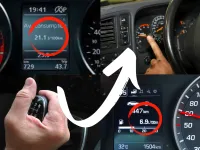
Before implementing cost-reduction measures, it is essential to know the exact consumption for the entire fleet. The GPS system reads the vehicle’s CAN interface, where kilometers traveled, average speed, and instantaneous consumption are recorded.
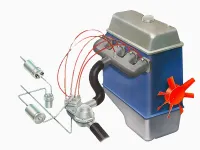
For even more precise monitoring, a liquid-level probe can be used that detects every quantity of fuel entering and leaving the tank. This probe is compatible with any vehicle and integrates seamlessly with the GPS monitoring system.
Fuel Consumption Reporting
The system generates detailed reports that include:
- Consumption for each specific trip
- Comparison between theoretical and actual consumption
- Identification of routes with low energy efficiency
- Analysis of driving style that influences consumption
Preventing Fuel Theft
One of the common problems in fleet management is fuel theft, a situation encountered quite often in Romania. Modern GPS systems can prevent this issue through several mechanisms:

Data Comparison
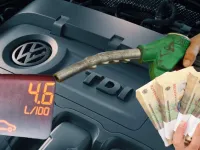
The system allows comparing the amount of fuel on the receipt with the amount actually consumed on a given route. By analyzing driving speed, route length, and route characteristics (urban roads with many intersections versus highway), a mismatch between refueled and consumed fuel can be detected.
Real-time Monitoring
Even if someone does not have physical access to the tank, the system can detect fuel loss by analyzing:
- Theoretical consumption versus recorded consumption
- Vehicle performance on similar routes
- Unusual variations in fuel efficiency
Specialized Reports
The system provides comprehensive reports that include:
- Fuel station where fueling occurred
- Exact quantity purchased
- Any detected fuel leaks
- Complete fueling history
Benefits of Implementing GPS Systems
Reducing Operational Costs
Through constant monitoring and route optimization, companies can significantly reduce fuel costs, which represent a substantial portion of a fleet’s operating expenses.
Improving Efficiency
Knowing the exact consumption enables identifying vehicles or drivers with underperforming results and implementing the necessary corrective measures.
Operational Transparency
GPS systems provide a clear and objective view of fleet activity, eliminating uncertainties and enabling data-driven decisions.
Compliance with Regulations
For commercial vehicles, GPS monitoring helps ensure compliance with regulations on driving time and mandatory driver breaks.
Implementing a GPS system for fleet monitoring represents an investment that pays back quickly through fuel savings and improved overall operational efficiency.