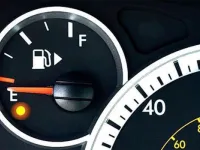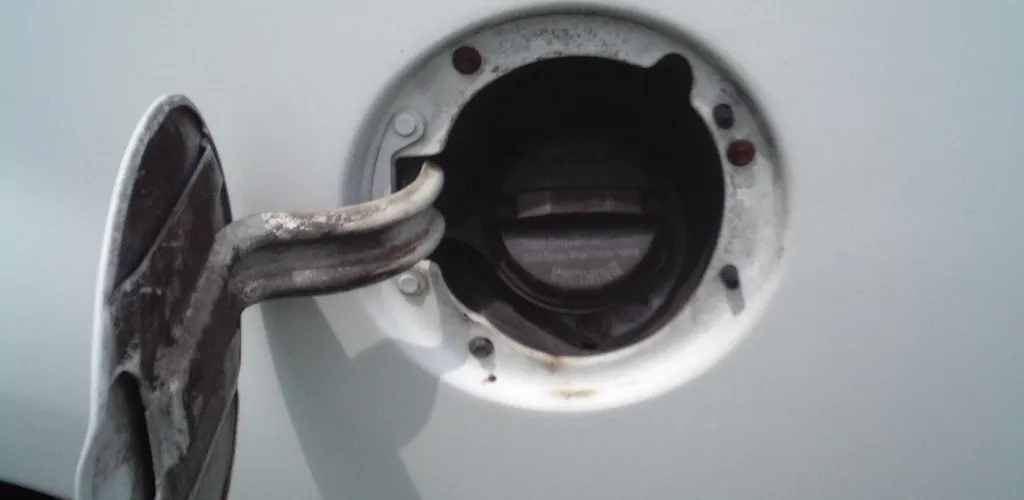
- Driving without a fuel cap may trigger check engine light and limp mode.
- Modern valves prevent fuel leakage; EVAP issues still affect emissions and tests.
- Long-term problems include higher fuel consumption, fuel system contamination, and potential engine damage.
- Identify cap type via manual or VIN; prices range 50-200 RON; buy from dealer or shop.
Driving without a fuel cap can pose risks to safety, performance, and long-term reliability. This article explains what happens when the cap is missing or not properly sealed, the potential consequences, and how to replace it quickly and correctly.
On some models, the absence of the fuel cap triggers the check engine light immediately and the vehicle may enter limp mode. This means that engine performance will be severely limited, top speed reduced, and acceleration weakened until the issue is resolved.
Fortunately, there is no risk of fuel leaking from the tank because modern fueling systems include specialized valves that prevent gasoline from spilling outside the tank. Therefore, the fire risk is practically non-existent.
Long-term problems of not having the fuel cap
Increased fuel consumption
- Reduced engine efficiency
- Increased fuel consumption
- Higher costs at the next fill-up
- Additional pollutant emissions into the atmosphere
Contamination of the fuel system
- Dust and impurities can enter the tank
- Rainwater can contaminate the fuel
- Insects and other foreign bodies can reach the system
- The fuel filter will clog more quickly
- Injectors and the fuel pump can be affected
These contaminants can cause costly engine damage, which can run into hundreds or even thousands of lei for repairs.
Emissions tests issues
An important aspect is that the EVAP (Evaporative Emission Control System) will not function properly without the fuel cap. This system is responsible for capturing and reprocessing gasoline vapors. Without it:
- Fuel vapor emissions will exceed legal limits
- The car will not pass the emissions test at ITP
- Additional repairs will be needed to fix the system
How to replace the fuel cap
Identifying the correct cap type
- Consult the owner’s manual — you will find the exact specifications
- Check the identification number on the old cap (if you still have it)
- Use the VIN for precise search at the auto parts store
- Ask at the brand’s dealership for exact compatibility
Where to buy the cap
- Specialized auto shops — provide guidance and warranty
- Official dealers — genuine parts with certainty
- Online platforms — competitive prices, but check compatibility
- Auto dismantlers — economical option for older cars
The price of a new fuel cap varies between 50-200 RON, depending on the make and model of the car. The investment is minimal compared to the repair costs that can result from not having it.
Installation tips
- Clean the threads before installing the new cap
- Tighten evenly to ensure a perfect seal
- Check the warning light — it should go out after a few start cycles
- Test the system by refueling carefully on the next fill-up
Remember that every car component, no matter how small, plays an important role in the vehicle’s optimal operation. The fuel cap is no exception, and replacing it quickly will save you time, money, and nerves in the long run.