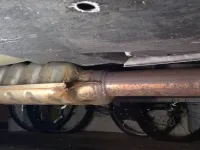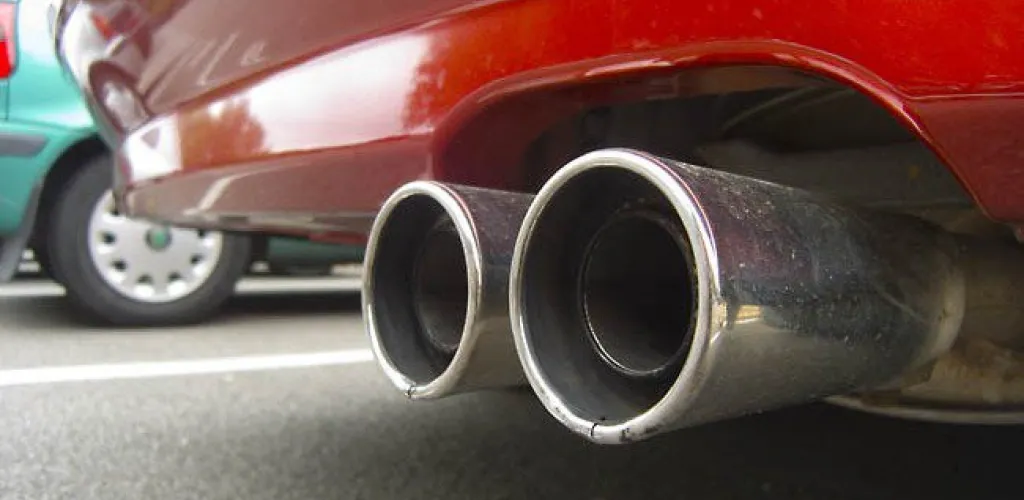
- Holes, rust, welding defects, or mounting issues cause excessive exhaust noise.
- Exhaust problems risk carbon monoxide poisoning and can trigger legal penalties.
- The exhaust system vents gases and uses a muffler to dampen noise.
- Look for loud pops, rattling, humming, or vibrations as fault signs.
A noisy exhaust can signal serious problems that threaten the safety of the driver and passengers. The exhaust system not only vents burnt gases from the engine but also plays a crucial role in maintaining optimal vehicle performance and reducing pollution.
When the exhaust becomes louder than usual, it is essential to quickly identify the cause and take the necessary steps, because some faults can be highly dangerous.
Role of the exhaust system in vehicle operation
The exhaust system is an integral component of the vehicle, composed of the exhaust manifold, catalytic converter, mid-pipe, and final muffler. It works together to vent burnt gases from the engine and to filter them before release into the atmosphere.
The exhaust muffler, located at the end of the system, helps dampen the noise produced by exhaust gases and completes the purification of emissions. When it no longer functions correctly, the vehicle will produce loud noises, often accompanied by other technical problems.
Main causes of excessive noise
Perforations and holes in the exhaust
The most common cause of a loud exhaust are holes caused by corrosion or impact with objects on the road. These perforations allow exhaust gases to escape prematurely, creating loud noises and reducing system efficiency.
Corrosion and rust
Rust is the main enemy of the exhaust system, especially in damp climates or where road salt is used. Corrosion can weaken the muffler’s structure, leading to holes or even breakage.
Welding defects
Welds joining different components of the exhaust can give way over time due to constant vibrations and temperature changes. This can cause leaks and unusual noises.

Issues with mounting system
Support arms and rubber mounts that hold the exhaust in place can wear out or break, allowing the exhaust to vibrate excessively and come into contact with other vehicle components.
Dangers of a faulty exhaust
Risk of carbon monoxide poisoning
The greatest concern with a perforated exhaust is the risk of carbon monoxide poisoning. This colorless, odorless gas can enter the vehicle cabin through holes in the exhaust, causing:
- Dizziness and headaches
- Nausea and vomiting
- Fatigue and drowsiness
- In extreme cases, loss of consciousness and death
Legal consequences
Several Romanian cities have noise regulations that also apply to vehicles with defective exhaust systems. Driving a vehicle with a loud exhaust can lead to:
- Traffic fines
- Vehicle documents being revoked
- Mandatory repairs before re-homologation
The RAR conducts routine road checks, testing exhaust systems, and vehicles that exceed noise limits risk suspension of circulation.

Symptoms of a faulty exhaust
Characteristic noises
A problematic exhaust will produce distinct sounds:
- Loud pops when accelerating
- Metallic rattling sounds
- Humming or droning during engine operation
- Tinny or “sheet metal” sounds from broken components
Abnormal vibrations
Broken parts of the exhaust can vibrate within the exhaust system, transmitting vibrations through the bodywork that are felt in the steering wheel, pedals, or seats.
Unusual exhaust smoke
Another important indicator of exhaust problems is unusual exhaust smoke. The appearance of thick white or colored smoke can signal:
- Problems with the exhaust system
- Problems with the catalytic converter
- Fluids leaking into the exhaust system

Emissions and visual checks
Observing the color and density of the smoke can help determine the severity of the issue and the urgency of intervention.
Inspecting and diagnosing problems
Visual inspection
Regularly inspecting the exhaust can reveal:
- Clear signs of rust or corrosion
- Visible holes or cracks
- Deterioration of the mounting arms
- abnormal exhaust positioning
Sound testing
Start the engine and listen carefully to the noises. Vary engine RPMs to identify when the noise intensifies, which can help localize the problem.
Emissions check
Watch the color and density of the exhaust smoke. Unusual smoke can indicate serious issues requiring immediate intervention.
Solutions and repairs
Temporary repairs
For small holes, temporary fixes may include:
- Special sealants for exhausts
- Heat-resistant patches
- Exhaust repair kits
These solutions are only temporary and do not replace professional repair.
Replacing components
Depending on the extent of damage, it may be necessary to:
- Replace the final muffler
- Replace the entire exhaust system
- Repair or replace mounting brackets
Prevention and maintenance
To prevent exhaust problems:
- Conduct regular exhaust system inspections
- Avoid driving through deep puddles or over obstacles
- Use high-quality fuel
- Follow the manufacturer’s recommended maintenance schedule
When to go to the mechanic urgently
Contact an authorized mechanic immediately if:
- The noise appeared suddenly and is very loud
- You smell exhaust gases inside the cabin
- You see thick smoke at engine start
- You have symptoms of carbon monoxide poisoning
- The exhaust is hanging or appears to be coming loose
Driving with a defective exhaust is not only dangerous to health but can also damage other vehicle components and cause legal issues. Investing in timely repairs is far cheaper than the costs of an accident or major repairs later.
Photo source: tpbrake.com, freepik.com