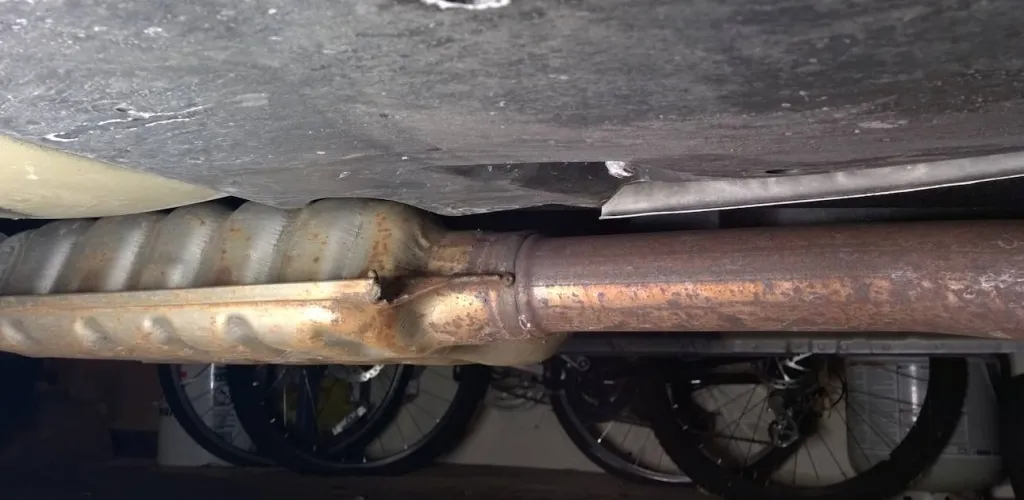
- A failing exhaust causes loud noises, higher emissions, more fuel use, and inspection failures
- Aluminum pipes resist rust, but welds with mild-steel filler rust quickly
- Corrosion accelerators: road salt, condensation, rough roads, short trips, humidity or sea air
- Improvised repairs are often temporary and can worsen wear
A properly functioning exhaust system is essential not only for acoustic comfort and vehicle performance but also for your safety and that of others on the road. When the exhaust system deteriorates, the consequences can be multiple: unpleasant and embarrassing noises, increased pollutant emissions, higher fuel consumption, and ultimately the inability to pass the periodic vehicle inspection. Fortunately, most issues can be identified and resolved in time if you know what to watch for.
How you approach maintenance and understanding the common failure points can help you extend the life of the exhaust system and avoid costly repairs.
Why the exhaust system deteriorates
Beyond cases where you have installed a high‑quality stainless steel exhaust, sooner or later you will face issues related to the integrity and function of the exhaust system. The first clue you’ll notice will be strange sounds, but when they appear, not only are they annoying, the level of corrosion is likely already advanced and requires urgent intervention.
Factory materials and their vulnerability
From the factory, many cars are equipped with aluminized steel exhaust piping. This type of piping is much better than ordinary mild steel because the aluminum infusion helps resist corrosion and rust formation. The pipes themselves do a decent job regarding rust resistance, but there is a critical weak point in their construction.
Most often, the welds that join aluminized pipes to mufflers, resonators, flanges and other components are made with mild steel welding wire and are not treated to resist corrosion. These exposed steel welds become much more susceptible to rust once they come into contact with water, road salt, mud or anything else you might drive through. Although these welds can last for years, eventually, like any untreated steel, they will rust and deteriorate.
Factors accelerating corrosion
There are several factors that can accelerate exhaust system deterioration:
- Road salt used in winter is the main enemy of the exhaust system
- Condensation formed inside the pipes when the engine cools
- Rough roads and potholes that can crack or break components
- Frequent short trips that do not allow the system to heat up fully and expel water
- Operating environment in areas with high humidity or near the sea
Problems after improvised repairs
In many situations, the exhaust system will wear out or fail much faster after an improvised intervention. When repairs are done hastily, errors are more likely or welds may not be performed properly. Moreover, when makeshift solutions use questionable parts or temporary fixes, the appearance of faults in the near future is almost certain.
Improvised repairs include:
- Using sealants or repair pastes that last only a few weeks
- Welds performed without properly cleaning rust and preparing surfaces
- Replacing components with already worn second‑hand parts
- Using metal clamps on leaks and cracks
These temporary solutions may seem economical at the moment but will generate much higher costs in the long term.
The right solution for durable repairs
When it comes to interventions on the exhaust system, you have one option to avoid future problems: always choose high‑quality parts, preferably stainless steel, and rely on a specialized workshop. Any other option will cause significant damage later and lead to additional costs.
Why stainless steel is the right choice
Stainless steel offers multiple advantages:
- Superior corrosion resistance – can last 2–3 times longer than standard systems
- Consistent performance – does not deteriorate internally and affect gas flow
- Clean appearance – does not rust and stays looking good long term
- Higher resale value – a valued upgrade when evaluating the car
How to choose a trusted exhaust service
For exhaust system interventions, look for a service that:
- Has specific experience with exhaust systems
- Uses professional MIG/TIG welding equipment
- Provides a warranty for the work performed
- Can supply original parts or high‑quality equivalents
- Holds the necessary certifications for vehicle inspections (ITP)
Preventive measures and maintenance
As a precaution, especially for cars older than 10 years, we strongly recommend periodic checks of the exhaust system at least once a month. This way you can identify any problem in time and intervene before more complicated and costly damage occurs.
What to check during the monthly inspection
When inspecting the exhaust system, pay attention to:
- Abnormal sounds – pops, hisses or louder noises
- Visible leaks – soot stains or dark marks around joints
- Visible corrosion – rusted areas, holes or cracks
- Loose components – broken mounts, pipes hanging too low
- Odors in the cabin – may indicate dangerous carbon monoxide leaks
Other important preventive measures
To extend the life of the exhaust system:
- Wash the underside of the car regularly, especially in winter after salt exposure
- Avoid very short trips when possible – let the engine reach full operating temperature
- Park in a dry location if you can
- Treat exposed components with anti‑corrosion sprays
- Check mounts and replace them when worn to prevent cracks caused by vibration
When it’s time for a complete replacement
Sometimes local repairs are no longer enough and you should consider replacing the entire system or large sections. Signs that it’s time to replace include:
- Extensive rust on multiple components
- Multiple holes or extensive cracks
- Visible loss of engine performance
- Repeated failure at the emissions portion of the vehicle inspection
- Repair costs approaching the price of a new system
In these cases, investing in a new high‑quality exhaust system, preferably stainless steel, is the wisest long‑term decision.
Conclusion
Proper maintenance of the exhaust system is not just about acoustic comfort; it is also about safety, performance and legal compliance. With regular checks, professional interventions, and quality parts, you can avoid major problems and unexpected costs. Remember that a repair done correctly the first time is always cheaper than multiple improvised repairs that do not resolve the issue.