- P000B signals slow/incorrect exhaust camshaft position response (Bank 1).
- Check engine light with possible P0009; rough idle and reduced power.
- Lubrication issues: low oil, faulty pump, or dirty oil.
- Sensor and actuator faults, plus wiring and PCM issues.
The P000B fault code appears when the engine management system detects a slow or incorrect response from the exhaust camshaft position system. This issue can affect exhaust valve timing and may influence engine performance, fuel economy and emissions.
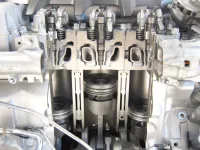
The camshaft is a core component for proper operation of a four-stroke engine, responsible for opening and closing the intake and exhaust valves at the correct moment. The letter ‘B’ in the P000B code specifically refers to the exhaust valve bank (bank 1).
The Variable Valve Timing (VVT) system allows adjusting the timing of valve opening and closing based on engine speed and load. When this system does not respond within the manufacturer’s parameters, the engine control module (ECM/PCM) records the P000B code.
The camshaft position is continuously monitored by specialized sensors that feed information to the control unit. When there is a difference between the commanded position and the actual camshaft position for the exhaust valves, or when the response to the adjustment command is too slow, this fault is triggered.
Symptoms associated with the P000B code
When the P000B fault code appears, drivers may notice the following:
Visual and audible indicators:
- Check engine light on the dashboard
- Simultaneous display of other codes from the P000 family (P0009, P000A, P000C)
- Unusual noises coming from the engine bay, especially at startup
Performance impact:
- Reduced engine power and acceleration
- Uneven engine idle
- Difficult starting, particularly when cold
- Increased fuel consumption
Emissions issues:
- Higher carbon dioxide and other pollutant emissions
- Failure at emission tests (ITP) due to elevated emissions
- Unusual odor from the exhaust
Main causes of the P000B fault
Lubrication system issues
Oil pump faulty or low oil level:
- Insufficient oil pressure affects the operation of hydraulic actuators
- Old or contaminated oil can clog the fine passages in the system
- Lack of oil can cause seizure of moving components
Sensor faults
Camshaft position sensor defect:
- Hall-effect sensor can be damaged by excessive heat
- Metallic dust buildup on the sensor can affect reading accuracy
- Corrosion on electrical contacts disrupts the signal
Actuator problems
Solenoid of the actuator (N205 valve):
- Clogging with oil particles or dirt
- Wear of the electromagnetic coil
- Mechanical failures of the internal piston
Defective VCT (Variable Cam Timing) system:
- Wear of the phase adjustment mechanism
- Blockage by particles or deposits
- Deterioration of internal seals
Electrical issues
Electrical circuit faults:
- Broken wires or damaged insulation
- Corroded connectors or poor contacts
- Electromagnetic interference in the data transmission system
Faulty control module (PCM/ECM):
- Corrupted software or incomplete updates
- Deterioration of internal electronic components
- Issues with working memory
Solutions and repair methods
Preliminary checks
Before proceeding with costly replacements, perform the following checks:
Lubrication system assessment:
- Check the engine oil level and condition
- Inspect the oil pump and filter
- Test oil pressure in the system
- Clean the oil passages to the actuators
Electronic diagnostics:
- Scan all error codes
- Check real-time parameters with diagnostic equipment
- Test the functionality of sensors and actuators
Specific repairs
Replace the position sensor:
- Remove the upper engine cover to gain access
- Disconnect the electrical connector and replace the sensor
- Apply conductive paste to improve signal quality
Replace the N205 valve (solenoid):
- Locate the actuator on the cylinder head
- Clean the area carefully before removing the part
- Install the new valve with the specified torque wrench
Recondition the oil pump:
- Remove and thoroughly clean the pump
- Replace gasket and worn components
- Check oil pressure after reassembly
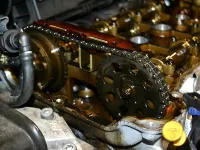
Re-timing the timing belt/chain:
- Verify synchronization between the crankshaft and camshafts
- Replace timing belt/chain if necessary
- Adjust the timing according to specifications
Preventive measures
To prevent recurrence:
- Regularly change engine oil with quality products
- Use original or equivalent oil filters
- Avoid extreme engine operating conditions
- Perform maintenance at the recommended intervals
Estimated repair costs
Repair costs vary depending on the specific cause:
- Replacement of camshaft position sensor: 200-400 lei
- Replacement of the N205 valve: 300-600 lei
- Reconditioning of the oil pump: 500-1000 lei
- Timing rework: 1500-3000 lei
It is important to perform a full diagnostic to identify the exact cause and avoid unnecessary repairs.