- Exhaust system removes gases, controls noise, and influences vehicle performance.
- Exhaust manifold/galleries guide gases and are heat-treated to withstand temperatures.
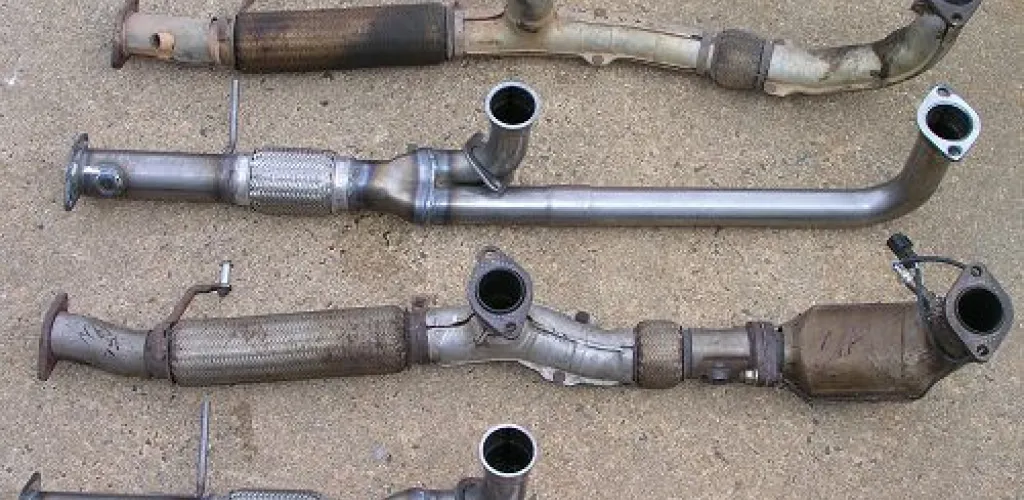
- Downpipes connect turbochargers to the exhaust, with catalytic converters or DPF afterward.
- Mid-pipes reduce noise and influence torque; turbo engines may bypass them.
The exhaust system is a vital component of any car, responsible for removing exhaust gases from the engine and controlling the noise produced. Although most drivers are aware of the existence of this system, few truly understand its complexity and how it influences the vehicle’s performance.
From quiet family cars to supercars with aggressive exhausts, every vehicle has a system tailored to its specific needs. Understanding the components and operation of this system can help you make informed decisions about maintenance or modifications.
Main components of the exhaust system
Exhaust manifold
Gases from the combustion chamber are first guided through the camshaft channels into the exhaust gallery, also known as the “serpisori”, although there is a technical difference between these terms.
The exhaust gallery is fixed to the engine’s camshaft and represents the first component with which exhaust gases come into contact as they exit the engine. These galleries are made from cast iron and heat-treated to keep the high gas temperatures away from the engine compartment.

Producer intentions, initially, were to create galleries as small and solid as possible. Today, the focus has shifted toward:
- Optimizing the flow of gases
- Gas dynamics for turbocharged engines
- Reducing weight
- Efficient thermal insulation

Downpipe and connections
After the exhaust gallery comes the downpipe, that piece of metal that connects the turbocharger to the rest of the exhaust. In modern terminology, the downpipe has taken on additional connotations, being the pipe designed for bypassing the DPF or catalytic converter for sound and performance improvements.
On V-configured engines, there are two exhaust runners that merge before entering the turbocharger, creating a complex gas-flow dynamic.
Catalytic converter and DPF
After the downpipe comes the catalytic converter or the DPF, depending on the engine type. These components have the main role of reducing harmful emissions before the gases are released into the atmosphere.

Both systems reach maximum efficiency above 400°C, requiring:

- Precise positioning to avoid damage
- Protection by multiple thermal shields
- Adequate thermal insulation
Efficiency of the catalytic converter depends directly on operating temperature, which is why it is positioned as close to the engine as possible to reach the optimum temperature quickly.
Structure of the exhaust system
Mid-pipe (intermediate muffler)
The mid-pipe’s primary purpose is to reduce engine noise and contribute to achieving optimal torque. This component is not fitted on all vehicles—turbocharged engines often do not require it, as backpressure is achieved by the turbo and downpipe.
On turbocharged gasoline engines, the mid-pipe can be present for additional noise reduction, even though the turbine already provides some acoustic isolation.
Rear muffler
The final component is the rear muffler, which operates “cold”—the gases reaching here have the lowest temperature and the slowest velocity in the entire system.

The sound we perceive is mainly generated by this component. The rear muffler:

- Attenuates the majority of the sound
- Determines the vehicle’s acoustic character
- Varies depending on the internal design and materials used
High-performance exhaust systems
Performance-oriented cars are factory-equipped with specialized exhaust systems that produce a more distinctive sound and contribute to higher performance. These systems are optimized for:
- Optimal gas flow
- Reduced backpressure
- Achieving a characteristic sound
- Superior thermal efficiency

Some cars leave the factory with “pops and bangs”—those characteristic rattles at gear shifts or during throttle release—produced by special ECU mappings that inject extra fuel into the exhaust.
Modifications of the exhaust system
Classic sport exhausts
Most enthusiasts opt for a sport rear muffler, which makes the car significantly louder. However, this modification comes with drawbacks:
- Reduced comfort on long drives
- The sound can become unbearable
- Lack of versatility depending on the situation
Electronically controlled systems
A more sophisticated solution consists of electronically controlled exhausts, which can be quiet or loud at the push of a button. These systems have two paths for gas flow inside:
- A path that muffles part of the gases (silent mode)
- A path that lets them pass more directly (sport mode)

Although these mufflers cost considerably more, the investment is justified for those who drive a lot and want both comfort and sportiness.
Cut-out system
A more affordable alternative is the “cut-out” system—a Y-shaped valve with a flap on one of the paths, usually mounted after the catalytic converter or after the mid-pipe.
There are two types of cut-out valves:
- Electric: more affordable, but less durable at high temperatures
- Vacuum: more expensive, but much more resistant in the long term
Vacuum systems are recommended because they withstand prolonged exposure to the high temperatures of exhaust gases much better.

This solution provides the desired “mobility”—the ability to make the car very quiet or very loud with a simple push of a button, without clearly violating the law.
Straight-pipe exhaust
An extreme option is a straight-pipe exhaust—where the entire exhaust system is replaced with a hollow pipe, removing all mufflers. Features:
- Very loud and constant sound
- Potential performance improvements
- Uncomfortable on long drives
- Usually made from stainless steel for durability
Titanium exhausts exist, but they are extremely rare and expensive, as titanium is harder to work with than stainless steel.
Legal aspects and practical considerations
We must be aware that modifying the exhaust system is illegal in Romania, except when using specialized firms that can provide the necessary documentation to attest the legality of the modifications.
If an exhaust is not designed correctly, it will significantly reduce engine power. However, if performed professionally and combined with an ECU remap, performance can be substantially improved.
Maintenance and common issues
What can go wrong
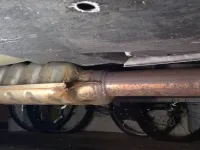
The exhaust system, while not overly complex, sits in a vulnerable area. Factors that affect it include:
- Water, mud, and snow causing corrosion
- Impact with stones, curbs, or chunks of ice
- Vibrations that loosen mounting points

Signs of problems
The annoying sound of a “broken muffler” usually indicates:
- Cracks in the exhaust system
- Loose or broken mounts
- Advanced corrosion
These issues can be resolved relatively easily by fitting a clamp or replacing the affected section.
Maintenance recommendations
To keep the system in good condition:
- Periodically check the visual condition of components
- Inspect mounts, which can loosen due to potholes
- Be attentive to unusual noises
- Perform regular under-vehicle inspections
Conclusion and recommendations
The exhaust system is much more complex than it appears at first glance, with each component playing a specific role in the engine’s optimum operation. For those who want modifications, the most balanced solution remains the cut-out system, which offers the versatility to choose between comfort and sportiness.
If you opt for modifications, it is essential to consult experienced specialists who can ensure both the desired performance and compliance with legal aspects. Improvised modifications can lead to reduced performance and legal issues.
Photo sources: shaunbloodworth.com, howrah.org, mountune52.com, 3sx.com, nengun.com, lasvegaswranglers.com, kingstonmillerav.de, art-of-attack.com, thomsonwirless.com