- E10’s higher ethanol can corrode and absorb water in older car fuel systems.
- Winter storage risks include humidity-driven corrosion and brittle rubber/plastic components.
- Gary Wilson suggests premium fuel before storage and filling the tank.
- Strategy options: full tank minimizes moisture; leaving space improves starting volatility.
Introduction
The introduction of E10 fuel in Romania has raised questions about compatibility with older cars, especially during winter storage. Owners of classic or older vehicles should take extra precautions to avoid damage caused by the higher ethanol content.
E10’s increased ethanol content can be corrosive and hygroscopic, and it can affect older rubber and plastic components in the fuel system, particularly when vehicles are parked for long periods in winter.
What is E10 fuel and why it raises issues
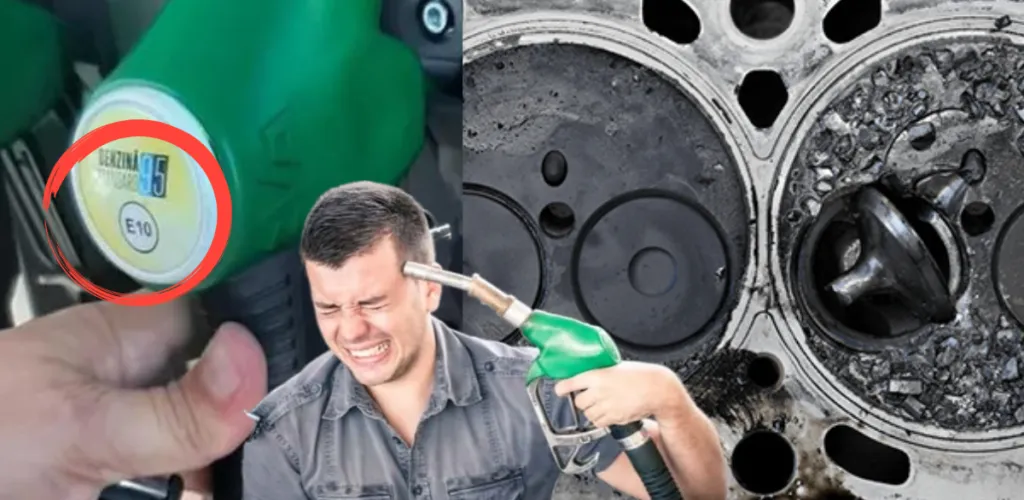
E10 fuel contains up to 10% ethanol, an increase over E5 (5% ethanol) used previously. This change, intended to reduce carbon emissions, can create problems for older vehicles due to ethanol’s corrosive properties and its ability to absorb moisture.
Ethanol can affect rubber and plastic components in the fuel system, and during winter, when cars are parked for long durations, the risks are amplified.
Gary Wilson, HCVA expert recommendations
Gary Wilson, head of the Historic and Classic Vehicle Alliance (HCVA), offers a practical solution based on his experience with a BMW Z3:
Winter preparation method:
- Use E10 normally during the warm season
- Switch to premium unleaded gasoline before winter storage
- Fill the tank completely to minimize condensation
- Inflate tires to 60 psi for storage
- Take a short drive to circulate fuel through the system
Mr. Wilson said: I spoke with audience members at the NEC show and did not receive any negative feedback. Most people approved of what I did with my BMW Z3. I use it with E10 fuel, and this weekend I will inflate the tires to 60 psi and fill it with premium unleaded gasoline. Then I will drive around the block, back it into the garage, remove the tank, and leave it until spring.

Specific ethanol risks in winter
Specialists from North Coast Workshop warn of the following issues:
Humidity absorption
- Ethanol attracts and absorbs water from the air
- Accumulated water can cause corrosion of the fuel system
- Problems intensify when the vehicle sits parked for months
Component deterioration
- Rubber seals and hoses can be affected
- Plastic components can become brittle
- The fuel injection system can suffer damage
Alternative storage strategies
Full tank option
Advantages:
- Reduces space for condensation
- Minimizes contact with moist air
- Provides protection against corrosion
Empty tank option
Nigel Elliott from the Federation of British Historic Vehicle Clubs (FBHVC) proposes a different approach:
Elliott explains: The danger is that if the tank is completely full, when you start the vehicle you have lost some of the lighter fractions of the fuel. These have evaporated and you’ll have trouble starting the car.

His recommendations:
- Leave a little space in the tank
- Add fresh fuel before restarting
- This improves starting volatility
Practical solutions for classic car owners
Recommended fuels
- Premium unleaded gasoline for storage
- Special additives for fuel stabilization
- High-octane fuels for optimum performance
Additional preventive measures
- Check your vehicle’s compatibility with E10
- Use anti-corrosion additives if necessary
- Regularly inspect the fuel system condition
- Plan the transition between fuel types
Guy Lachlan’s expert tip
Director of Classic Oils offers a clear technical perspective:
“You can avoid the problem of ethanol absorbing water by completely filling and sealing the tank, or by completely draining it before winter storage.”
This all-or-nothing approach eliminates the gray area where ethanol can absorb moisture and cause damage.
Conclusion: protection through planning
Proper winter storage of classic cars in the E10 era requires planning and attention to detail. Whether you choose to fully fill the tank with premium gasoline or opt for a complete draining, the key is to avoid ethanol absorbing moisture and causing damage.
The success of the expert-recommended methods shows that, with the right measures, classic-vehicle owners can continue to enjoy their cars without exposing them to the risks associated with the new E10 fuel.