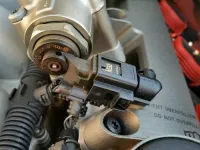
The fuel pump is an extremely important part of the car, as it is primarily responsible for supplying fuel to the vehicle and maintaining fuel pressure in the rail. There are two types of fuel pumps: mechanical pumps and electronic pumps. For the most part, they have different modes of operation and use, but when they fail, they exhibit almost identical symptoms.
What is the role of the fuel pump?
The fuel pump of a car is the component whose purpose is to move fuel from the tank to the injection rail. It operates under a pressure that remains constant, ensuring that the engine functions under optimal parameters.
What are the symptoms of a faulty fuel pump in the Skoda Yeti?
When a fuel pump begins to fail, there are several symptoms to be aware of so you can realize on your own that there’s a problem with the pump. We’ll mention these symptoms below.
The car starts sluggishly or stops frequently – If you have problems with the fuel pump, it’s evident that there’s nothing to push the fuel to the engine, and normally the engine won’t start. However, there can be multiple reasons why the engine doesn’t start. To be sure it’s a problem with the fuel pump, you should perform a check using a pressure gauge. Its purpose is to verify the pressure in the fuel supply system. If it shows “0,” the pump has certainly failed.
Another fairly obvious symptom is the emission of strange, unfamiliar noises when the car is started.
Reduced power when accelerating – To accelerate, a somewhat larger amount of fuel is needed, which forces the fuel pump to push even more fuel. If the pump is failing, there’s a high probability it can no longer cope with the increased fuel demand. Additionally, power losses can occur if the fuel filter is clogged. In this case, you need to clean or replace the filter.
The car vibrates slightly at high speeds – When the fuel pump cannot supply the necessary amount of gasoline to the engine, the engine begins to shake. Initially, when the pump has just started to fail, this engine “vibration” won’t last more than a minute, but over time, the engine will vibrate constantly.
What causes the fuel pump to fail in the Skoda Yeti?
There are multiple reasons why a fuel pump can fail, but the most common cause is poor-quality fuel—gasoline with impurities that can clog the pre-filter found in the tank of any car, regardless of its model. The filter consists of a synthetic or even metallic mesh installed directly in the tank, right on the fuel pump. The same applies to diesel cars.
Other causes could be:
- Faulty or clogged coarse filter
- Too little fuel in the tank
- Not following usage instructions
- Clogged supply and return hoses
- Defective valves and bypass
The causes can be multiple, but the most common is the one mentioned above.
When should the fuel pump be replaced in the Skoda Yeti, and how much does it cost?
Usually, prevention is most important, but even so, there can be times when the only solution is to replace the fuel pump.
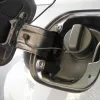
Preventive measures you could take include:
- Cleaning the electrical panel before the “cold” season by using a spray designed for electrical contacts.
- When changing the timing belt kit, you can wash the tank to remove dirt and other residues that may be found in it.
It is recommended to avoid running out of fuel because when the tank is almost empty, the pump will try to gather all the fuel, drawing in dirt as well, which can cause the pump to clog. If you run out of diesel, the pump will burn out.
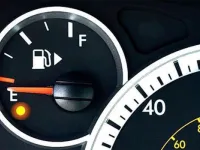
Another preventive measure is to always have more fuel in the tank, especially in summer. Fuel pumps are cooled by the fuel itself; the less fuel there is, the hotter they will get, especially during summer. If you constantly drive with the fuel gauge on empty, you’ll certainly have problems with the fuel pump much sooner than expected.
However, to replace the fuel pump in the Skoda Yeti, you need to consult a specialized mechanic, as the operation is quite complicated and difficult to perform on your own at home. The cost of a fuel pump varies, but you can find a good pump at prices of 300-400 lei; obviously, the price also varies depending on the car model you have. To the 300-400 lei, you need to add the mechanic’s labor cost of 100-150 lei, so with a maximum of 500 lei, you’ll resolve the fuel pump issue.
Tip: Since you’re already at the tank, clean it as well. You’ll be surprised at how much dirt is inside it.