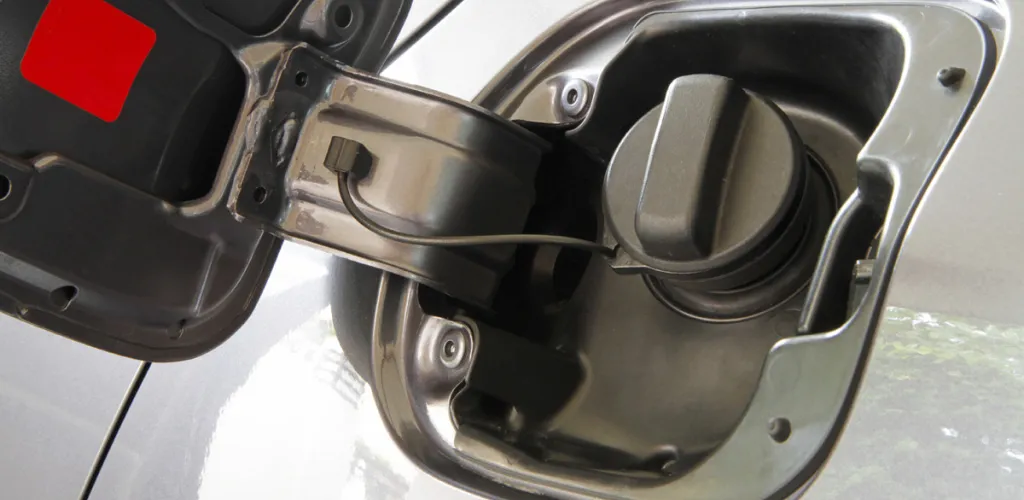
- Low fuel level reduces cooling, speeds pump wear and failure.
- Metal tanks corrode with low fuel; rust and debris accumulate in the tank.
- Driving near empty increases fuel filter clogging and component damage.
- Urban driving: half; long trips: full, then quarter; never below quarter; trusted stations; replace filter.
Many of the stories about residues that settle at the bottom of the tank and turn into sludge contain a grain of truth. In reality, the fuel level in the tank can significantly influence the durability of the fuel system components, especially the fuel pump.
Why the fuel level in the tank matters
Fuel pump plays a critical role in the fuel system - it draws fuel from the tank and sends it under pressure to the injectors. During operation, this component heats up significantly, and the gasoline around it acts as a natural cooling agent.
When the fuel level is low, the pump no longer benefits from the same level of cooling and will operate at higher temperatures for longer periods. Prolonged exposure to heat speeds up wear of the internal components and can lead to premature pump failure.
Specific problems of metal fuel tanks
Today, most modern cars are equipped with plastic tanks, but older vehicles still use metal tanks. These pose additional risks when operated with low fuel levels.
When the fuel leaves the metal tank, ambient air containing moisture enters its place. This combination of humid air and metal creates ideal conditions for corrosion. Over time, the oxidation process generates rust particles that settle at the bottom of the tank.
Risks of driving with the tank almost empty
When you drive with very little fuel in the tank, the pump is forced to draw from the lower areas of the tank where debris has accumulated:

- Rust particles (in metal tanks)
- Sediments and impurities from the fuel
- Condensation that has formed in the tank
- Possible residues from lower quality fuel
These particles can clog the fuel filter, damage the pump’s moving components, or reach the injection system, affecting engine performance.
Impact on the fuel filter
The fuel filter, usually located between the tank and the engine, is tasked with trapping these impurities. When driving frequently with the tank near empty, the filter clogs more quickly, which:
- Reduces fuel pressure to the injectors
- Forces the pump to work harder
- Can cause irregular engine operation
- Requires more frequent replacement of the filter
Optimal fuel level for different situations
For urban driving
If you use the car mainly in the city or for short trips of a few tens of kilometers, keeping the tank at half is an effective strategy. This level offers:
- Adequate protection for the fuel pump
- Reduced vehicle weight (lower fuel consumption)
- Flexibility in choosing fueling stations
For long trips
For long distances, the optimal strategy includes:

- Full tank before departure
- Refuel when fuel reaches about a quarter of capacity
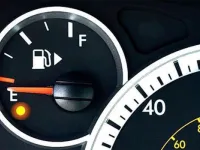
- Avoid the red zone on the dash entirely
General maintenance recommendations
Never below a quarter of the tank: This is the golden rule for protecting the fuel pump and the fuel system.
Refuel at trusted stations: Choose stations with high fuel turnover to reduce the risk of fueling with old or contaminated fuel.
Periodic replacement of the filter: Follow service intervals for replacing the fuel filter, even if you haven’t been driving with an almost empty tank.
Signs of a worn fuel pump
If you have frequently driven with the tank almost empty, the fuel pump may show the following symptoms:
- Increased noise from the tank area
- Difficult starting
- Loss of power during acceleration
- Rough engine operation at idle
- Increased fuel consumption
Conclusion
Maintaining an adequate fuel level in the tank is not only a matter of convenience, but an essential preventive measure to protect the fuel system. The extra cost of a fuller tank is negligible compared with the cost of repairing a faulty fuel pump or a contaminated injection system.
The simple rule of never letting the tank drop below a quarter of capacity will significantly extend the life of the fuel system components and maintain the engine’s optimum performance.