- Weather and road quality dictate highway tire choices; winter needs M+S or winter tires
- Key features: independent tread blocks, deep grooves, irregular patterns, and low rolling resistance
- Top highway tires include Yokohama Advan Sport and Michelin Pilot series
Highway driving tests tires in a distinctive way, demanding particular characteristics for peak performance. Choosing the right tires can make the difference between a comfortable, safe, and efficient journey and a stressful one. Whether you commute daily on highways or plan long trips, understanding the essential tire features for highway use will help you make the right choice.
In this guide, we cover the key factors to consider, the technical characteristics that influence highway performance, top tire recommendations, and practical tips for purchasing and maintenance.
Key factors to consider
Weather conditions
- Sunny and dry climate versus heavy precipitation
- Prolonged freezing temperatures that require specialized tires
- Frequency of snowfall and icy conditions
Road infrastructure condition
- Smooth and well-paved expressways versus rough, degraded roads
- The presence of bumps and asphalt defects
- Overall quality of the driving surface
For severe winter conditions, with freezing temperatures and frequent snowfall, we recommend tires bearing the M+S (Mud & Snow) symbol or specialized winter tires. These are made from a special rubber compound with a high silica content, which keeps them soft and flexible in cold weather, ensuring safe vehicle handling.
Essential technical characteristics for highway tires
Independent tread blocks
Tread blocks are the elements that provide the vehicle’s traction in all critical maneuvers - cornering, acceleration, and braking. Tires with independent blocks offer:
- Deep gaps between blocks for maximum flexibility
- Optimal contact with the road surface
- Improved high-speed stability
- Precise steering response
Deep circumferential grooves
Grooves are the deep lines that run around the tire and play a crucial role in:
- Water evacuation - circumferential channels remove water, allowing contact with the road
- Prevention of aquaplaning at high speeds on wet surfaces
- Maintaining grip in all weather conditions
Additionally, side grooves (running along the tire) are essential for removing water that accumulates under the tread.
Irregular tread block patterns
A tire with an irregular tread block pattern offers the following advantages:

- Noise reduction – minimizes road noise
- Improved acoustic comfort for long journeys
- Performance comparable to regular models
- More enjoyable driving experience over long distances
Low rolling resistance (LRR)
Tires with low rolling resistance are designed specifically to:
- Minimize energy wasted during driving
- Improve fuel efficiency – substantial long-term savings
- Optimized designs for easier rolling
- Positive environmental impact by reducing emissions
Top recommendations for highway tires
Based on tests and industry feedback, the following models stand out for exceptional performance:
- Yokohama Advan Sport — excellent for performance and handling
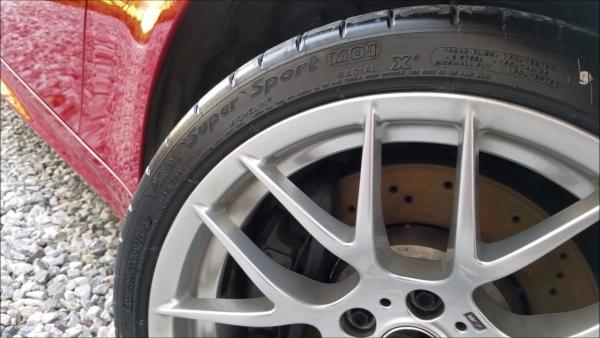
- Michelin Pilot Super Sport — standard in the industry for high-performance tires
- Bridgestone Potenza — balanced blend of comfort and sportiness
- Bridgestone DriveGuard — run-flat technology for added safety
Purchase and maintenance guide
Consulting specialists
When shopping for [new tires], it is essential to:
- Consult a professional for personalized recommendations
- Choose high-quality tires suitable for your vehicle
- Check the availability of sizes needed for your car
- Consider your personal driving style
Optimal pressure - the key to performance
Regardless of the choice, the correct tire pressure is crucial for:

- Improved handling and precise response to commands
- Increased comfort during long journeys
- Fuel economy – up to 3-5% improvement
- Even wear and longer tire life
- Maximum safety at high speeds
Maintenance tips
For maximizing highway tire performance:
- Check the tire pressure monthly – ideally when tires are cold
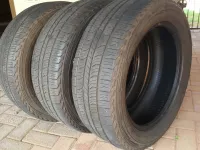
- Inspect wear regularly – look for signs of uneven wear
- Rotate tires every 10,000-15,000 km
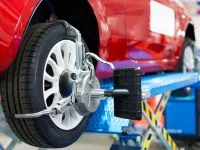
- Balancing and alignment annually or at signs of vibrations
- Replace in time when tread depth falls below 4 mm for highway use
Choosing the right highway tires is an investment in the safety, comfort, and efficiency of your driving. By considering the factors mentioned and consulting a specialist, you can make the optimal choice for your specific needs.