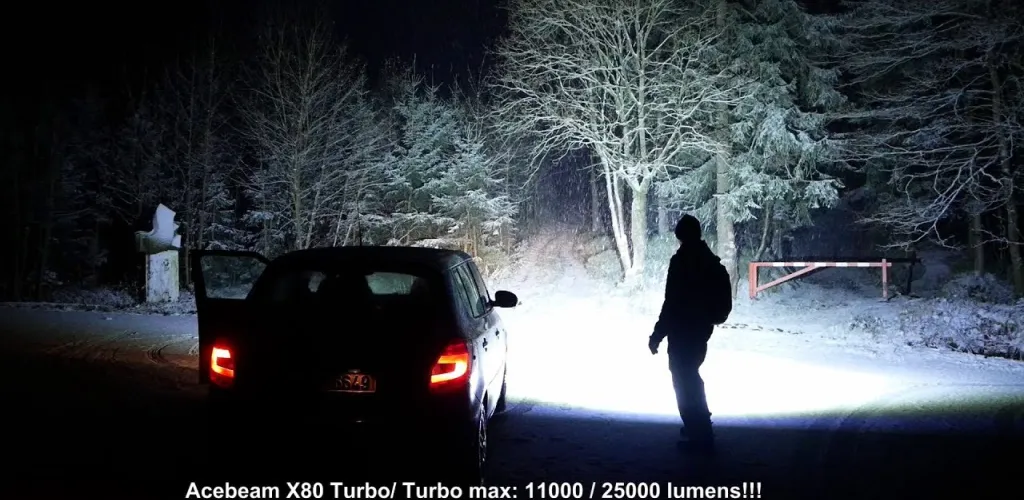
- Lumens alone mislead; beam focus and distribution determine actual visibility.
- Real performance depends on design, optics, and technology like reflectors and LEDs.
- Lux on a surface is a better metric than lumens.
- Aging or dirty headlights can reduce brightness up to 50%.
Headlights play a crucial role in road safety, providing optimal visibility in challenging lighting conditions and ensuring your vehicle is visible to other road users. When it comes to choosing the right bulbs, most drivers focus on a single specification: the number of lumens. However, this approach can be misleading and does not guarantee the true performance of the headlight system.
Lumens are the standard unit of measurement for luminous flux, commonly used in the technical specs of automotive bulbs. However, this measurement alone does not provide a complete picture of the real performance of a lighting system and can mislead when purchasing new headlights.
Why lumens don’t tell the whole story
Lumens measure the total amount of light emitted by a bulb in all directions, without considering how that light is distributed or focused. It’s like measuring the power of a garden hose only by the amount of water it delivers, ignoring pressure and jet direction.
Many manufacturers use the lumen count as a marketing strategy, promoting bulbs with impressive values. The reality is that this figure reflects only the light that exits the bulb, not the amount of useful light that actually reaches the road or your visual field. A bulb can generate 5000 lumens, but if that light is dispersed in all directions, the real efficiency will be much lower than a 3000-lumen bulb with a well-focused beam.
Factors influencing real headlight performance
Design and geometry
The size and geometry of the headlight assembly are crucial for final performance. A well-designed reflector can efficiently direct light onto the road, while a lower-quality one will waste a substantial portion of light in unnecessary directions. Modern headlights with LED or Xenon technologies feature complex reflectors with multiple surfaces for optimal distribution.
Optical clarity
Lenses and headlight glass must be perfectly transparent and free from defects. Any impurity, scratch or haziness will significantly reduce the amount of light reaching the road. Aged or dirty headlights can reduce luminous intensity by up to 50%, regardless of bulb performance.
Type of technology
Different lighting technologies (halogen, xenon, LED) have distinct characteristics regarding light distribution, color temperature, and energy efficiency. LEDs, for example, offer superior focusing due to their point-source nature.

Correct criteria for evaluating bulb performance
Luminous intensity (lux)
The first relevant criterion is luminous intensity measured in lux, which represents the amount of useful light reaching a surface of one square meter at a given distance. This measurement takes into account beam focusing and provides a real picture of the illumination capacity.
A well-focused beam will concentrate more lumens on objects on the roadway, making them more visible. Conversely, an unfocused beam will spread lumens over a wide surface, reducing actual visibility. For night driving, a beam that provides 800-1000 lux at 25 meters is preferable to one that provides only 400 lux, even if the bulb is rated higher in lumens.
Beam distribution and pattern
The second important factor is light distribution in angle and direction. Luminous intensity in candela (cd) measures the amount of light traveling in a predefined angle. This parameter helps evaluate the volume and intensity of the light source in the desired direction.
A beam that is too narrow will provide excellent forward illumination but reduce side visibility and may glare at oncoming drivers. A beam that is too wide will scatter light, reducing the distance of visibility. Modern headlights use asymmetric patterns with a clearly defined cutoff on the left side to avoid dazzling oncoming traffic, while still maintaining good illumination on the right.
Color temperature
Although not directly linked to intensity, color temperature (measured in Kelvin) affects visual perception and driving comfort. Bulbs at 4000-5000K emit a bluish-white light, similar to daylight, helping reduce eye fatigue. Traditional halogen bulbs emit at 3000-3500K, with a warmer yellowish tint.
Practical guide for bulb selection
Check compatibility
First, ensure bulbs are compatible with your car’s electrical system. Some vehicles have CANBUS systems that can trigger errors if the bulbs do not have the correct electrical resistance. Also, check whether your headlights are designed for halogen, xenon or LED – installing a wrong type can affect focusing and may be illegal.
Study full specifications
Look for reviews and independent tests that measure actual luminous intensity (lux) at different distances, not just lumens. Reputable manufacturers provide light distribution diagrams that show exactly how light is spread on the roadway.
Follow regulations
In Romania and the European Union, headlights must comply with ECE standards. Aftermarket bulbs should bear the E mark and be approved for road use. Installing unapproved bulbs can lead to rejection at the ITP and fines.
Invest in quality
Cheap bulbs may seem attractive, but usually have shorter lifespan and inconsistent performance. Reputable brands such as Philips, Osram or Narva offer extensively tested products, with warranty and real specifications.
Headlight maintenance for maximum performance
- Regular cleaning - Wash headlights at every car wash to remove dirt, insects and other debris that block light.
- Restoring hazy headlamps - Polycarbonate headlights become hazy over time due to UV rays. Restoration kits or professional polishing can restore transparency and improve illumination by up to 50%.
- Proper alignment - Misaligned headlights can significantly reduce visibility and annoy other drivers. Check and adjust headlight alignment annually or after any collision or suspension work.
- Replace in pairs - When one bulb burns out, it is recommended to replace both bulbs for uniform illumination. Older bulbs emit about 20-30% less light than new ones.
Conclusion
When choosing new bulbs for your car’s headlights, don’t be swayed by the lumens printed on the package. Focus on the specifications that truly matter: luminous intensity measured in lux, beam distribution, color temperature, and overall product quality.
Pair high-quality bulbs with proper headlight maintenance to achieve the best possible visibility and drive safely, regardless of lighting conditions. Investing in a high-performance lighting system is not just a matter of comfort, but a safety issue for you and other road users.