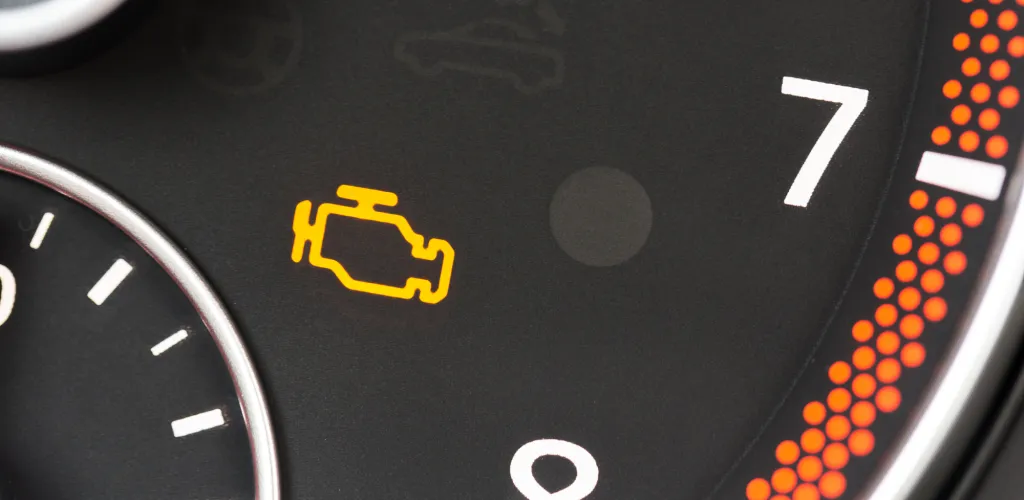
- Check Engine light signals engine or electrical problems; severity ranges from minor to critical.
- The system evolved from 1930s indicators to modern OBD-II, mandatory since 1996.
- Common faults include spark plugs/coils, fuel pump/filter, sensors, catalytic converter, and leaks.
- It may light for loose gas cap or low fluids like oil or coolant.
The Check Engine light is one of the most important indicators on the dashboard of any modern car. When it comes on, many drivers panic, wondering whether they can continue driving or if the engine will fail. Understanding this warning system can save you money and protect your vehicle from serious damage.
This indicator is not meant to scare you; it exists to alert you to a problem that needs attention. The severity can vary greatly—from minor issues that allow you to continue your trip to serious faults that require the engine to be shut off immediately.
Evolution of the Check Engine system in the auto industry
Vehicle monitoring systems have a long history. Since the 1930s, automakers began including onboard indicators to inform drivers about the vehicle’s technical state. Hudson Motor Company, a Detroit firm that no longer exists, pioneered the first such system, which signaled only imminent faults.
The modern Check Engine indicator appeared with the integration of electronic equipment in cars, in the mid-1990s. General Motors led the field with its CCC (Computer Command Control) system, marking the start of a new era in automotive diagnostics.
Before the OBD-2 standardization, the warning system activated a dashboard indicator on a model-specific basis, similar to Morse code, to transmit error codes. Since 1996, with the introduction of modern emissions control systems, the Check Engine indicator became mandatory on all vehicles sold.
Main faults signaled by the Check Engine light
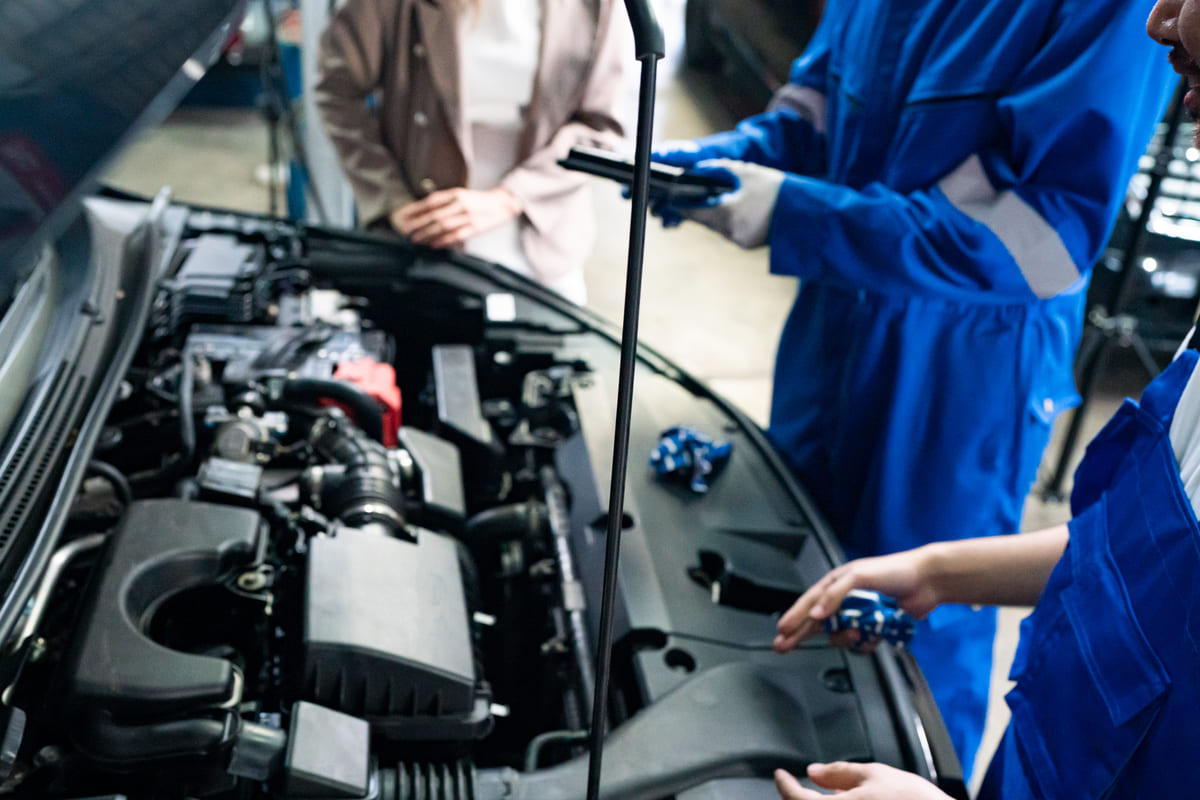
When this indicator lights up on the car’s dashboard, it signals a problem related to the engine or the vehicle’s electrical system. Some automakers use the Check Engine light for minor issues as well, which can create confusion among drivers.
The severity of the issue is difficult to determine without thorough investigation. However, there are a few very common faults that trigger the Check Engine light:
Fuel and ignition system issues
- Failures of [spark plugs] or ignition coils
- Problems with ignition cables (on older cars equipped with cables)
- Failures of the fuel pump or the fuel filter
- Problems with fuel injectors
Sensor and control system faults
- Faults of the MAF (Mass Air Flow) or MAP (Manifold Absolute Pressure) sensors
- Problems with [lambda sensor]
- Catalytic converter faults
- Clogging of the EGR valve (on diesel engines)
Major mechanical problems
- Issues with cylinder compression
- Faults in the timing/distribution system
- Problems with piston rings or engine valves
- Vacuum leaks in the intake system
Seemingly minor issues with major effects
- Loose or missing fuel filler cap
- EVAP system problems
- Faults of the coolant temperature sensor
The light can also come on when one of the car’s fluids needs topping up - engine oil, [brake fluid], coolant, or transmission fluid.

How to react when the Check Engine light comes on
Understanding color codes
The Check Engine light can be yellow/orange or red, each color having a different meaning:
Yellow/orange light indicates, in most cases:
- A problem with a sensor that is not functioning correctly
- Minor problems that allow continuing the journey with caution
- The need for a service inspection in the coming days
- A possible reduction in engine performance
Red light signals:
- A very serious problem that requires immediate stopping
- Risk of severe engine damage
- The vehicle needs to be towed to a service
- Absolutely no driving should continue
Steps to follow based on severity
For the yellow/orange light:
- Check if the engine is running normally (no rough idle, no unusual noises)
- Look for loss of power or abnormal fuel consumption
- Schedule a service visit in the next few days
- Avoid high revs and aggressive driving
- Monitor engine temperature and oil pressure
For the red light:
- Stop the engine immediately in a safe place
- Do not restart the engine
- Contact a service for towing
- Do not attempt to drive the vehicle
Using an OBD2 scanner for diagnostics
If you own an OBD2 scanner, you can connect it to the car to read the error codes stored in the vehicle’s computer. This information can be communicated by phone to a mechanic to receive guidance on the severity of the problem.
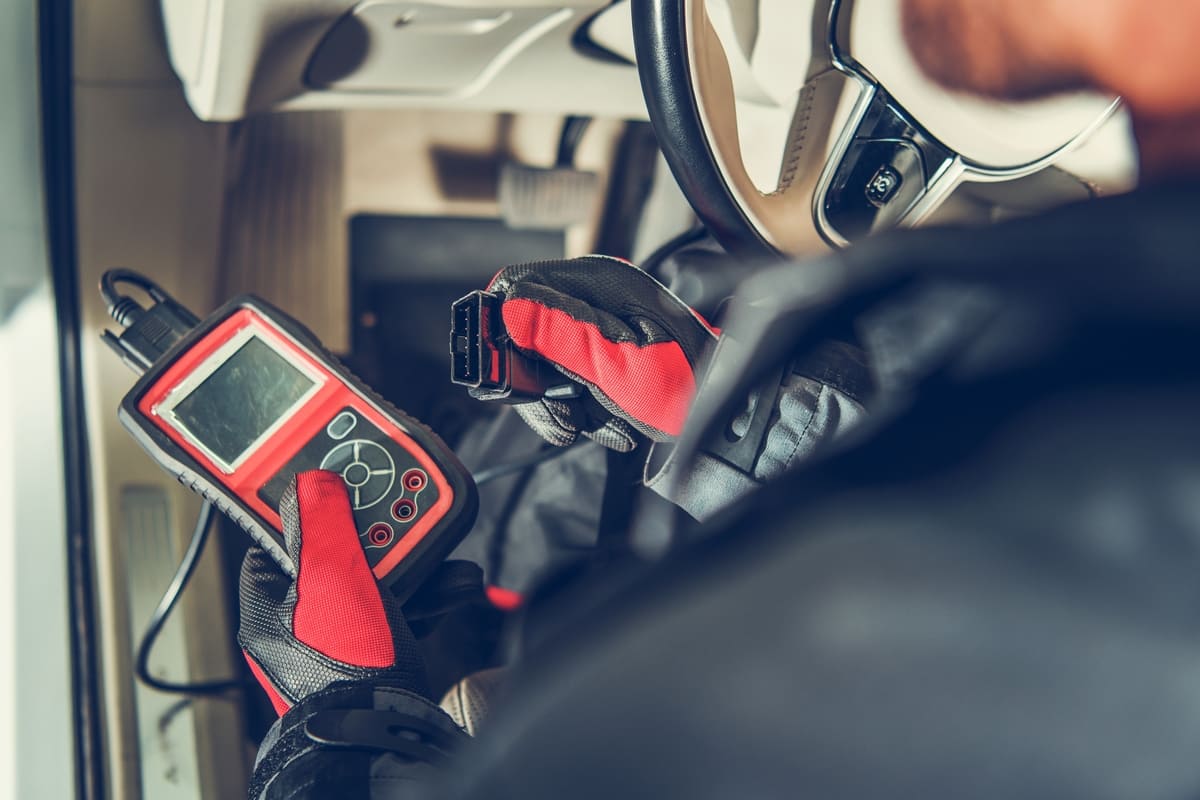
Common error codes and their meaning:
- P0xxx: Emissions control and powertrain system faults
- P1xxx: Manufacturer-specific codes
- P2xxx: Fuel system faults (injectors, pump)
- P3xxx: Ignition system faults
Why the light comes back on after reset
Many drivers wrongly believe that erasing the fault codes with an OBD2 scanner solves the problem. The reality is that if there is truly a fault, the light will reappear:
- Immediately after starting the engine - for severe or persistent problems
- After driving some miles - for intermittent problems
- Under certain operating conditions - for faults that occur only at certain RPMs or temperatures
Driving cycles and OBD2 diagnostics
The OBD2 system performs continuous tests of engine components during operation. These tests, called monitors, run under specific conditions:
- Catalyst monitor - activates at high temperatures
- Lambda sensor monitor - runs continuously after warming up
- EVAP monitor - tested under specific pressure conditions
- EGR monitor - checks operation during deceleration
Tips to prevent Check Engine problems
Preventive maintenance
- Regular oil changes - follow the recommended intervals
- Replacing filters - air, fuel, and oil filters on time
- Checking spark plugs - replacement per specifications
- Cooling system checks - inspect coolant and thermostats
Early warning signs
- Power loss
- Abnormal fuel consumption
- Rough operation at idle
- Unusual engine noises
- Abnormal exhaust smoke
Repair costs by problem
Costs can vary greatly depending on the identified fault:
Minor repairs (100-500 RON):
- Replacing the fuel filler cap
- Cleaning the MAF sensor
- Replacing spark plugs
Moderate repairs (500-2000 RON):
- Replacing the [lambda sensor]
- Repairing the EGR valve
- Replacing ignition coils
Major repairs (2000+ RON):
- Replacing the catalytic converter
- Engine repairs (piston rings, valves)
- Timing/distribution problems
The Check Engine light should not be ignored, regardless of its color. Prompt intervention can prevent costly damage and keep the vehicle in good running condition. Consulting a specialized mechanic remains the safest option for diagnosing and properly repairing the issue.