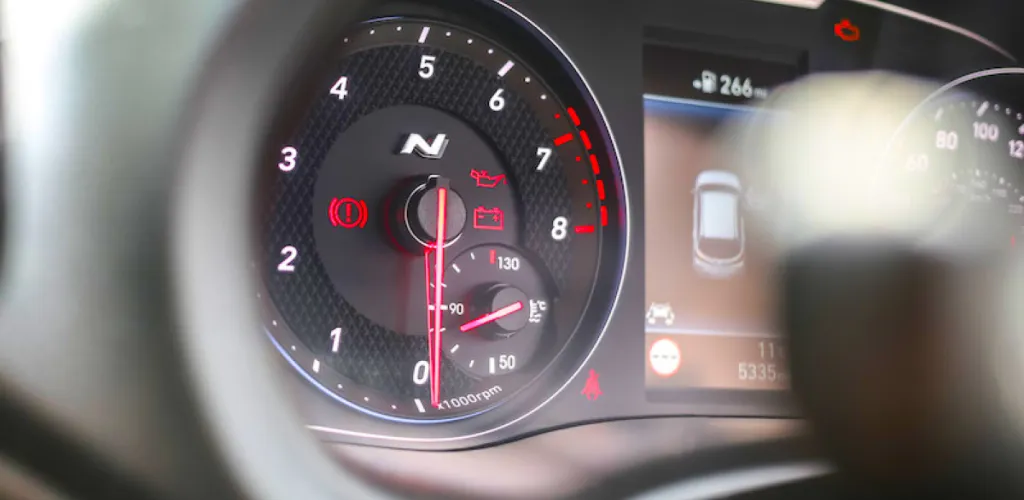
- Battery disconnection may reset dash light temporarily but doesn’t fix the fault
- Modern vehicles store codes in non-volatile memory; battery reset often won’t clear them
- OBD2 systems cannot be reset by battery disconnection; require scanner or专业 tools
- Forced ECU resets can be flagged during inspections or resale, affecting maintenance history
The Check Engine light on your car’s dashboard can be a source of stress for any driver. While it may seem like a simple fix, disconnecting the battery to reset the vehicle’s electronic systems only works under certain conditions and for certain types of faults. Understanding the difference between a simple light reset and truly clearing the fault codes from the ECU memory is crucial for proper vehicle maintenance.
In reality, modern vehicles have diagnostic systems far more complex than older cars, and disconnecting the battery does not always yield the desired result. Moreover, this practice can have unintended consequences on other electronic systems in the car.
Resetting the indicators by disconnecting the battery
When the car’s on-board computer detects a fault in one of the components, it displays a corresponding warning light on the dashboard. In many cases, even after the issue is fixed, the light may not disappear automatically, requiring a manual reset.
Disconnecting the battery for about 15 minutes can fully reset the vehicle’s electronic systems when reconnected. This method will temporarily erase all stored error codes and make the warning light disappear from the dashboard.
However, if the underlying problem has not been resolved, the light will come back after the car has been driven a few kilometers and the ECU re-detects the fault.
Resetting the Check Engine Light Without a Scanner
To reset the Check Engine light by disconnecting the battery, follow these steps:
- Opriți complet motorul și scoateți cheia din contact
- Deconectați ambele borne ale bateriei, începând cu cea negativă (-)
- Așteptați cel puțin 15 minute pentru descărcarea completă a condensatorilor
- Reconectați bornele bateriei, începând cu cea pozitivă (+)
- Introduceți cheia în contact și rotiți-o în poziția ON de trei ori consecutive, fără a porni motorul
This procedure will temporarily erase all emission-related data and Check Engine data from the vehicle memory. Note: this method does not work on all vehicles, especially newer ones.
Resetting the ECU by removing the battery – important limitations
The possibility of resetting the ECU through battery disconnection largely depends on the age and model of the car. In vehicles older than about ten years, this operation can be effective, but in newer models, disconnecting the battery will reset only the clock and the radio.
Modern vehicles use non-volatile memories that retain error codes even without power. For ECU reset in newer cars, a specialist intervention is required to run specific diagnostic programs.
Important: Forced ECU reset can be identified later during a technical inspection or when selling the vehicle, which can raise questions about the maintenance history.
OBD2 Codes and the Limitations of Battery Reset
Modern OBD2 (On-Board Diagnostics) systems are more sophisticated and cannot be reset by simply disconnecting the battery, regardless of the duration without power. The ECU uses special capacitors to power the memory system even when the battery is disconnected.
Trying to manually drain these capacitors can cause serious damage to the vehicle’s electronic systems, and it is a risky procedure not recommended.
Features of the OBD2 system:
- Non-volatile memory that retains codes even without power
- Backup systems to preserve diagnostic data
- Complex communication protocols with multiple modules
- Time required to recalibrate after any intervention
Correct Method for Clearing Error Codes
For an effective and safe clearance of all engine error codes, you should use a professional diagnostic scanner:
Complete Procedure:
- Connecting the scanner: Connect the device to the OBD2 port usually located under the steering wheel, near the driver’s pedals
- Starting the engine: The car must be running to communicate with the ECU
- Running diagnostics: Access the live data section and press the Read button to display all codes
- Clearing codes: Use the Clear Codes or Erase function to eliminate all stored errors
- Verification: Verify that all codes have been cleared and that the Check Engine light is off
Resetting the Check Engine Light Without Battery Disconnection
Some vehicles allow resetting the Check Engine light through specific procedures that involve repeated engine on/off cycles. This method varies by brand and model.
General procedure:
- Start and stop the engine several times in succession
- Keep the key in the ignition between cycles
- The exact number of cycles should be checked in the owner’s manual
- Check after each cycle whether the Check Engine light is still on
This method works for certain types of “soft” codes that do not indicate major engine faults.
Resetting the Onboard Computer – Time Required
Resetting the onboard computer is the simplest operation and can be done relatively quickly:
- Waiting time: Minimum 5 minutes after battery disconnection
- Recommended procedure: 15 minutes for maximum safety
- Additional maintenance: Take the opportunity to clean the terminals with a special spray
Cleaning corrosion from terminals and cables extends battery life and ensures an optimal electrical connection.
Recalibration of the System After OBD2 Reset
After any intervention on the [OBD2] system, the vehicle sensors need time to recalibrate. You should drive the car for 50–100 km under normal traffic conditions to ensure that:
- Sensors are functioning normally again
- The ECU has gathered enough data for correct diagnostics
- The Check Engine light will not reappear due to an unresolved issue
Optimal conditions for recalibration:
- Mixed driving (city and highway)
- Varying speeds and normal accelerations
- Normal engine operating temperature
- Avoid aggressive driving in the initial kilometers
Risks of Manual Code Resets
Using aftermarket scanners by non-specialists can cause additional problems:
Potential risks:
- Masking real problems: Clearing codes without addressing the root cause
- Software damage: Incorrect procedures can affect ECU programming
- Loss of important data: Calibration and adaptation data may be permanently erased
- Warranty issues: Unauthorized interventions can void the vehicle’s warranty
When to Seek a Specialized Service
There are situations where professional intervention is mandatory:
- Recurrent error codes that return after reset
- Complex problems involving multiple systems
- Vehicles under warranty that require documented interventions
- Errors affecting safety systems (ABS, ESP, airbags)
- Issues with the fuel/injection or engine management system
A specialized service has professional equipment and the knowledge needed to diagnose and repair problems correctly, avoiding the risks of improper interventions.
Conclusion
Although battery disconnection can be a temporary solution for resetting certain indicators, this method does not solve the vehicle’s underlying issues. For accurate diagnostics and repair, it is essential to understand the limitations of this procedure and to seek specialized services when the situation requires.