- Locate the size code on the tire sidewall, sometimes read upside down.
- Service prefix P, LT, T, or ST indicates tire type.
- Width is the first number in millimeters; height is the aspect ratio.
- Rim size shows wheel diameter in inches; load index and speed indicate capacity.
Reading tire sizes is a fundamental skill for every driver. When you visit a dealer or tire shop, the first question they ask is about your current tire size. For many drivers, this can be challenging, especially if all you know about tires is that they are black, round, and spin when the car is moving.
Fortunately, all the information you need is printed directly on the tire sidewall, and reading it is easier than it first seems. Let’s explore step by step how to decode these essential details.
Locating the size code
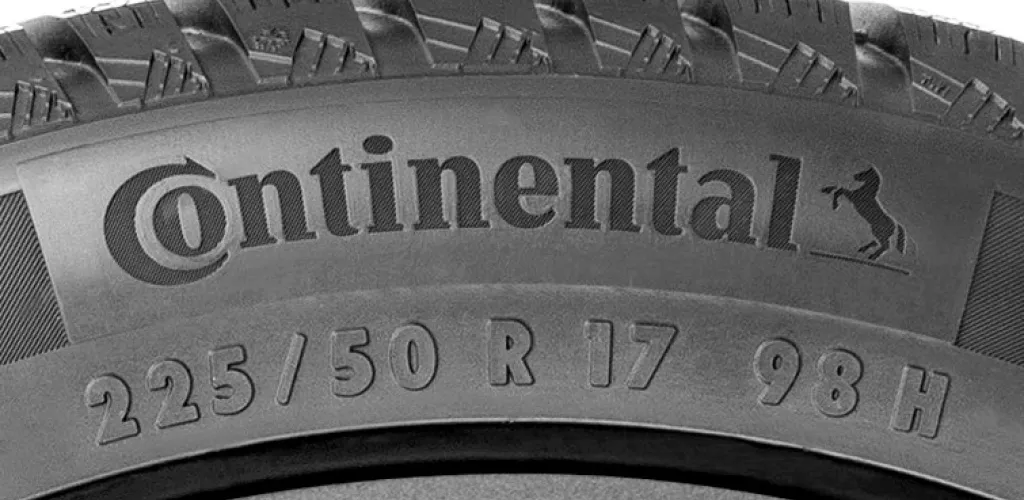
On the sidewall of each tire you will find an alphanumeric sequence similar to: P225/50R17. This information is printed along the outer edge of the sidewall and may be positioned in different areas of the tire.
Sometimes the code may be located toward the bottom of the tire, which means you might need to read it upside down or slightly turn the steering wheel for better visibility.
Decoding the service prefix
The prefix “P” at the start of the code indicates the service type of the tire. In our case:
- P - tires for passenger cars (Passenger)
- LT - tires for light trucks (Light Truck)
- T - temporary use tires, such as spare tires
- ST - tires designed exclusively for use on trailers
Understanding tire width
The first number in the sequence, in our example 225, represents the tire width in millimeters. This is the distance from one sidewall to the other, measured at the widest point of the tire.
A wider width means a larger contact area with the road, which can improve grip but may also increase rolling resistance and fuel consumption.

Tire profile explained
The next number, 50 in our example, represents the profile or aspect ratio of the tire. This value indicates the height of the sidewall as a percentage of the tire width.
In a 225/50R17 tire:
- The width is 225 mm
- The sidewall height is 50% of 225 mm = 112.5 mm
Lower profile tires offer:
- Improved handling
- Faster response to steering inputs
- A sportier look
Higher profile tires offer:

- Increased ride comfort
- Better protection against potholes
- Lower noise levels
Construction type
The letter that follows the dimensions, in our case “R”, indicates the tire construction type:
- R - radial construction (the most common today)
- ZR - high-speed radial construction
- D - diagonal (bias) construction (older design)
- B - belted bias construction (very rare)
Radial construction is standard for modern tires, delivering superior durability, improved fuel efficiency, and overall better performance compared with older constructions.
Rim size
The last number in the sequence, 17 in our example, indicates the inner diameter of the tire, which corresponds to the outer diameter of the wheel, measured in inches.
This size must fit the wheel it will be mounted on. A mismatch can lead to serious safety issues.
Additional tire information
Beyond the basic size, your tire will carry other important data:
Load index and speed symbol
After the main size, you may find a code such as “91V” or “94H”:
- The number (91, 94) represents the load index – the maximum loading capacity
- The letter (V, H) indicates the maximum speed for which the tire is rated
Manufacturing date
The DOT code ends with four digits that indicate the week and year of production. For example, “2319” means week 23 of 2019.
Why choosing the correct size matters
Understanding these codes is essential for:
- Safety - incorrect tires can affect handling and braking
- Performance - correct sizes ensure the vehicle’s optimal performance
- Economy - appropriate tires optimize fuel efficiency
- Comfort - the right size influences ride comfort
Practical tips for reading
- Check all four tires – differences can exist between tires on the same vehicle
- Use a flashlight if needed for better visibility
- Note the full size before buying new tires
- Consult the owner’s manual for the manufacturer’s recommended sizes
Reading tire size correctly is a basic skill every driver should master. With these insights, you’ll be able to communicate effectively with automotive professionals and make informed decisions when it’s time to replace your vehicle’s tires.