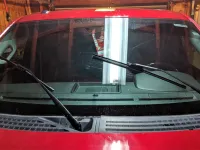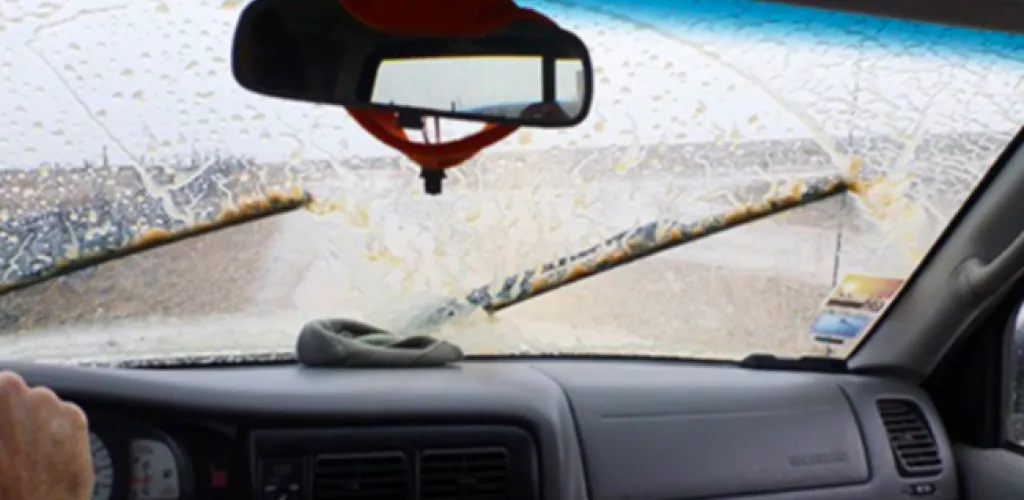
- Raise wipers in winter to prevent freezing and blade deformation.
- Use de-icer spray instead of scraping to protect blades and windshield.
- Clean wiper blades weekly with microfiber cloth and windshield cleaner.
- Check blade edges for cracks or damage and avoid solvent cleaners.
Windshield wipers are essential components of any passenger car, playing a crucial role in ensuring optimal visibility and safety on the road. Although they may seem simple, these parts are subjected to intense wear from external factors: UV radiation, extreme temperature variations, dirt, road salt, and constant friction. Proper maintenance can significantly extend their lifespan, prevent unexpected costs, and, more importantly, save lives by maintaining clear visibility.
Windshield wiper blades are made of rubber or special elastomers that degrade naturally over time. Poor care accelerates this process, leading to reduced visibility in rain or snow, scratches on the windshield from cracked blades, and premature replacement. In the following, we will explore eight fundamental principles to maximize the life of these vital components.
Raise the Wipers in Winter
During winter, adopt the habit of lifting the wipers off the windshield every night, especially when subzero temperatures are forecast. This simple gesture prevents several common problems:
- Freezing of the wipers to the windshield, which forces the electric motor to work at maximum capacity
- Damage to the blades from a sudden lift off the ice-covered glass
- Sticking of the drive mechanism and premature wear of the gears
- Permanent deformation of the rubber by keeping it bent on ice
Important: Lift the wipers only when the engine is off to avoid damaging the drive system. If you forget to lift them and ice has formed, do not force them—use a de-icer spray first.
Use a De-Icer Spray Instead of the Scraper
manually removing ice with a scraper presents significant risks for the wipers. First, there is a chance of accidentally striking the blades with the scraper, causing cuts or tears in the rubber. Second, small ice or dirt particles can remain under the blades and scratch the windshield when you start the wipers.
Correct method:
- Spray de-icer on the entire windshield surface
- Let the product act for 2–3 minutes to dissolve the ice
- Remove the melted ice with the scraper, avoiding the wiper area
- Check that the blades have no ice left before lowering them
Investing in a quality de-icer spray pays off quickly by protecting both the wipers and the windshield.

Clean the Wiper Blades Regularly
Regular cleaning of the blades is essential to maintain performance and extend their life. Dedicate at least once a week a few minutes to this simple operation:
What to remove:
- Dust and dirt buildup from traffic
- Tree sap (summer)
- Road salt (winter)
- Insects stuck on the blades (summer)
- Grease and pollutants buildup
Correct technique:
- Lift the wipers to a vertical position
- Use a clean microfiber cloth, dampened with windshield cleaner or a mild soap solution
- Wipe the blade from base to tip in a single continuous stroke
- Repeat a few times until the cloth remains clean
- Check the blade edges for cracks or damage
Avoid solvent-based or aggressive cleaners or gasoline, which can damage the rubber.

Avoid Prolonged Parking in the Sun
Ultraviolet radiation is one of the main factors accelerating rubber degradation in wipers. Prolonged sun exposure causes:
- Drying and cracking of the rubber
- Loss of material elasticity
- Blistering or sticking of the blades to the windshield due to overheating
- Fading and structural brittleness
Protection strategies:
- Park in the shade whenever possible (under trees, covered lots)
- Use sun shields for the windshield
- Consider applying UV-protective products designed for rubber
- If parking in the sun is unavoidable, lift the wipers periodically to prevent sticking
In summer, windshield temperatures can exceed 70°C, dramatically accelerating material degradation.
Never Use Wipers on a Dry Windshield
This is the most common mistake that greatly shortens wiper life. Operating on a dry surface creates:
- Extreme friction between blades and glass
- Accelerated wear of rubber edges
- Excessive material heating
- Possible micro-scratches on the windshield
- Forcing the electric drive motor
Gold rule: Always spray windshield washer fluid before turning on the wipers. If the reservoir is empty:
- Stop the wipers at the first squeak
- Manually wet the windshield with water (use a water bottle in the car)
- Refill the reservoir as soon as possible with proper fluid
- In traffic, if necessary, use intermittent wiping only with washer fluid
Use the Right Washer Fluid for the Season
The quality and type of windshield washer fluid directly influence cleaning efficiency and wiper life. The right fluid provides:
- Lubrication to reduce friction
- Anti-freeze protection (winter)
- Cleaning properties for different types of dirt
- Anticorrosive protection for metal components
Seasonal recommendations:
Summer (March–October):
- Fluids with insect-removal properties
- Formulations with strong cleaning agents
- UV protection for rubber
- Pleasant scents
Winter (November–February):
- Fluids with a freezing point of at least -20°C (ideally -25°C or lower)
- Formulations with anti-freeze for in-motion washing
- De-icing properties
- Protection against road salt
Year-round:
- Avoid plain water – it provides no protection and freezes easily
- Do not mix fluids of different types without checking
- Check compatibility with the washer system materials
Do Not Use Wipers to Clear Snow or Thick Ice
Wipers are designed to remove water, fine dust, and small particles. They are not meant to remove:
- Fresh snow or compact ice
- Leaves, branches, or other plant debris
- Gravel or large dirt particles
- Ice formed on the blades themselves
Correct winter procedure:
- Manually remove all snow from the windshield with a dedicated brush
- Check that the blades have no ice on them
- Activate defogging to melt the thin remaining ice
- Apply de-icer spray if necessary
- Only then start the wipers with plenty of washer fluid
Forcing the wipers through snow or ice can break the blades, damage the electric motor, or even bend the metal arms.
Replace Wipers in Time
Recognizing wear signals and replacing them on time prevents serious visibility issues and protects the windshield.
Visual wear indicators:
- Visible cracks in the rubber blades
- Tears or missing material
- Permanent deformation or bending of the blades
- Corrosion on the metal frame or joints
- Loss of elasticity (blade stays bent)
Functional indicators:
- Persistent streaks on the windshield after wiping
- Unwiped or uneven wiping zones
- Excessive noise (squeak, vibrate, thump)
- Jumping on the windshield instead of continuous contact
- Poor performance in heavy rain
Lifespan and replacement frequency: In normal conditions, windshield wipers last about 6–12 months. Factors influencing lifespan include:
- Usage frequency (more wear in rainy areas)
- Climatic conditions (strong UV, extreme temperatures)
- Material quality (premium vs. entry-level)
- Adherence to maintenance rules
Safety recommendation: Replace wipers proactively:
- Before the rainy season (autumn)
- Before winter, if they are older than 6 months
- Immediately when first signs of reduced performance appear
In Romania, where climate contrasts are large (very hot summers, icy winters), the effective lifespan tends to be around 6–8 months for mid-quality wipers.
Types of Wipers and Durability
For a complete view, it helps to understand the differences between available wiper types:
Traditional metal-frame wipers:
- The most common and affordable
- Durability: 6–12 months
- Good performance under normal conditions
- More prone to ice buildup on the frame
Flat blade (frameless) wipers:
- Aerodynamic design
- Durability: 8–14 months
- Uniform pressure along the blade length
- Less affected by ice
- Higher price
Hybrid wipers:
- Combines advantages of both types
- Durability: 8–12 months
- Excellent performance in all conditions
- Moderate to higher price
Regardless of type, following maintenance rules can extend lifespan by 30–50%.
Benefits of Proper Maintenance
By following these recommendations, you’ll gain:
Maximum safety:
- Perfect visibility in any weather
- Quick reaction in emergency situations
- Elimination of blind spots created by streaks
Financial savings:
- Longer blade life by up to 50%
- Avoid premature replacements
- Protection of the windshield against costly scratches
- Reduced washer fluid consumption through improved efficiency
Comfort and reliability:
- Quiet operation, free of annoying noises
- Consistent performance over time
- Confidence in the vehicle in any weather
- Reduced stress in challenging driving conditions
Proper care of windshield wipers is a minimal investment with major benefits for your safety and that of other road users. Adopt these simple habits and you’ll enjoy optimal visibility in every season, saving money and ensuring the reliable operation of these essential components.