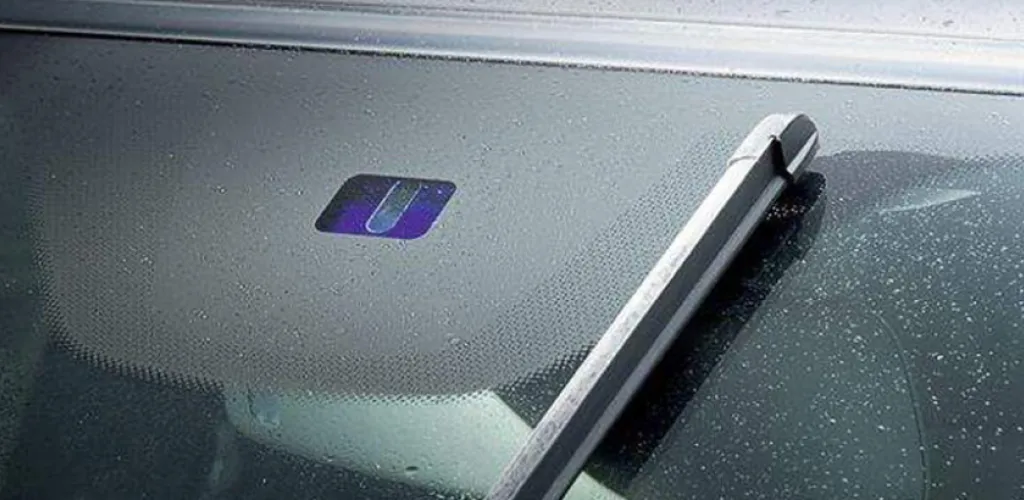
- Automatically activates wipers using a windshield-mounted rain sensor and infrared light
- Detects rain by reduced reflected light when glass is wet
- Advantages: instant response, driver focus, automatic speed adjustment, and windshield wear protection
- Limitations include dust sensitivity, dead zones, light interference, and replacement costs
Rain-sensor automatic windshield wipers are one of the most useful innovations in automotive safety in recent years. This technology enables the vehicle to automatically detect the presence of water, snow, or dirt on the windshield and activate the wipers without driver intervention, adjusting the frequency according to the intensity of the precipitation.
The evolution of windshield wiper systems
Decades ago, the only windshield wipers available were of low quality and operated only in continuous mode. The first improvement was the introduction of intermittent wiping, which allowed drivers to reduce the frequency of the wiper movements according to the intensity of the precipitation.
The most innovative windshield wiper technology in recent years has appeared in the form of rain-sensor wipers. Important to note: it is not the wipers that have the sensor integrated, but are automatically activated with the help of a separate sensor mounted on the windshield.
Principle of operation of the rain sensor
The rain sensor uses sophisticated optical technology based on the principle of light refraction. Mounted on the windshield, usually near or integrated into the base of the rearview mirror, this device contains:
- Infrared LED emitter - projects infrared light through the windshield at a 45-degree angle
- Photoelectric receiver - captures light reflected back
- Electronic control unit - processes the signals and commands the wipers

How the sensor detects the presence of water
Operation is based on Snell’s law of refraction. When the windshield is clean and dry, infrared light passes through the glass and is totally reflected at the glass–air interface, returning entirely to the sensor.
When the windshield gets wet with:
- drops of rain
- mud and dirt
- snow or ice
- any other foreign substance
The amount of light returning to the sensor decreases dramatically due to the change in the refractive index. This reduction in the intensity of reflected light triggers automatic activation of the wipers.
Advantages of the rain sensor
Enhanced safety
- Instant response - the wipers start in fractions of a second
- Driver focus - the driver no longer needs to divert attention to the wiper controls
- Protection in unexpected situations - automatic activation when the windshield is splashed by other vehicles
Comfort and convenience
- Automatic adjustment of speed according to precipitation intensity
- Elimination of manual intervention in changing weather conditions
- Protection of the windshield from wear when wiping dry
Limitations and drawbacks of the system
Common technical issues
- Excessive sensitivity - can be triggered by fine dust or condensation
- Dead zones - the sensor detects only the area in its vicinity
- Light interference - strong sunlight can affect operation
Maintenance costs
- Sensor replacement can cost between 300-800 lei
- Calibration required after windshield replacement
- Regular cleaning of the sensor area for optimal operation
Integration with other automotive systems
The modern rain sensor does not operate in isolation; it is integrated with:
- Lighting system - automatically activates headlights in low-visibility conditions
- Climate control - can trigger automatic defogging
- Assistance systems - provide data for active safety systems
Maintenance and troubleshooting
Cleaning the sensor
- Use only products designed for automotive glass
- Avoid abrasive substances that can scratch the surface
- Clean the area regularly to prevent dirt buildup
Signs of a fault
- Delayed activation or lack of response
- Intermittent operation without precipitation
- Incorrect wiper speeds
Is it worth the investment?
The rain sensor is a valuable feature, especially for:
- Frequent drivers who cover long distances
- Drivers in areas with variable rainfall
- People who prioritize safety and comfort
The initial cost is amortized through improved safety and reduced driving stress. Any vehicle is also equipped with a manual switch in case the sensor fails or the feature becomes annoying to some drivers.
In conclusion, rain sensor technology represents an important step toward automating automotive safety systems, delivering a safer and more comfortable driving experience in adverse weather conditions.

Photo source: carbiketech.com
