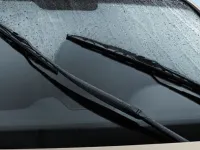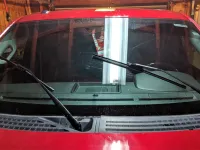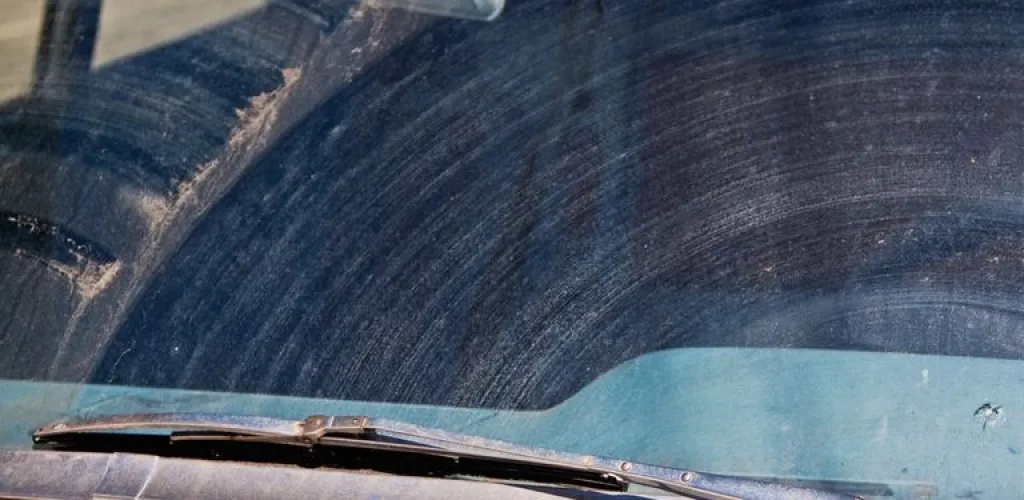
- Dust and mud act as abrasive paste, causing micro-scratches and glare.
- Windshield washer fluid lubricates and emulsifies dirt, reducing blade friction and scratches.
- Dry, abrasive dust can quickly wear wiper blades, causing edge scoring and tearing.
- Washer fluid extends blade life and offers anti-freeze protection.
Windshield wipers are among the most important safety components of any vehicle, responsible for maintaining optimal visibility in all weather conditions. They remove rain, snow, ice, dirt, bird droppings, and other residues that accumulate on the windshield, ensuring clear visibility throughout the journey.
Although it may seem like a simple system, wipers are constantly exposed to various aggressive elements in the environment. Dust and mud are among the most dangerous factors that can compromise the operation of this essential safety system.
How dust and mud affect the windshield surface
When the windshield is dirty, the natural first reaction is to spray windshield washer fluid and start the wipers. This approach is correct in principle, but you should understand that windshield washer fluid is not only for cleaning—it also acts as an essential lubricant for the glass surface.
Large particles of sand, dust, and mud behave like an abrasive paste on the windshield, hindering the cleaning process and causing microscopic scratches on the glass surface. These micro-damages, although seemingly insignificant at first glance, accumulate over time and affect visibility, especially at night or in conditions of strong frontal glare.
Effects of abrasive particles on the windshield:
- Microscopic scratches that become visible under certain lighting conditions
- Progressive loss of glass transparency
- Unwanted reflections that distract the driver
- Deterioration of the hydrophobic coating on the windshield
Role of windshield washer fluid
Windshield washer fluid works as a protective buffer between the windshield glass and abrasive particles. This liquid film allows the wipers to glide more easily and remove dirt without causing further damage to the surface.
Benefits of proper windshield washer fluid use:
- Reduces friction between the wiper blades and the windshield
- Effectively removes dust and sand particles through emulsification
- Prevents scratching on the windshield
- Extends the life of the wiper blades
- Improves cleaning efficiency
- Provides anti-freeze protection at low temperatures
Damage to the wiper blades from dust and mud
Wiper blades are made of specially formulated rubber (usually EPDM or natural rubber) to withstand various weather conditions, but they are extremely vulnerable to the abrasive action of dust and mud, especially when they are dry.
The combination of dust, sand, and microscopic gravel in mud forms an extremely abrasive film that can cause various types of damage:

Types of blade damage:
- Longitudinal scoring of the blade’s contact edge with the windshield
- Localized tearing of the blade profile at critical points
- Permanent deformation of the rubber structure
- Complete blade fragmentation in extreme cases
- Deterioration of the metal reinforcement embedded in premium blades
Wiper deterioration mechanism
The deterioration process typically follows the following pattern:
- Accumulation of abrasive particles on the windshield and around the blade
- Operation on dry surface or with insufficient lubrication
- Formation of micro-tears in the rubber blade
- Propagation of damage through continued use
- Complete compromise of wiping capability
Signs of wiper deterioration
Even the smallest particles that get inside the blade profile can compromise its operation. A damaged wiper will no longer contact the windshield directly and uniformly, resulting in various symptoms:
Visual symptoms:
- Parallel streaks on the windshield after wiping
- Unwiped areas on the windshield surface
- Fan-shaped marks at the blade tips
- Residual water spots on the windshield
Auditory and tactile symptoms:
- Friction noises or squeaking during operation
- Rhythmic skipping of the blade on the windshield
- Abnormal vibrations transmitted through the wiper arm
- Temporary sticking of the wipers on certain areas
When to replace the wipers
If you notice any of the signs above, the wipers need to be replaced to avoid compromising safety on the road.
Risks associated with damaged wipers:
- Reduced visibility in adverse weather conditions
- Progressive and irreversible windshield damage
- Higher long-term repair costs
- Major safety risks on the road
- Non-compliance with traffic safety regulations
Recommended replacement interval:
- 6-12 months under normal use
- 3-6 months in very dusty or abrasive environments
- Immediate upon signs of wear
- Before the rainy season for optimal safety
Preventive measures to protect the wipers
Regular maintenance:
- Regularly clean blades with a damp cloth and mild detergent
- Check the windshield washer fluid level weekly
- Manually remove large particles of dirt before turning on the wipers
- Avoid using the wipers on a completely dry windshield
- Visually inspect blades to detect early wear
Usage precautions:
- Always use windshield washer fluid when cleaning the windshield
- Do not force the wipers to operate on an icy windshield
- Lift the wipers when parking in winter
- Replace blades at the first visible signs of wear
- Avoid high-speed wiping when not needed
Choosing the right products:
- Use high-quality windshield fluids appropriate for the season
- Invest in premium blades with advanced technologies
- Check compatibility of the mounting system
- Consider hybrid wipers for superior performance
Modern protection technologies
Hydrophobic treatments for the windshield:
Applying a hydrophobic treatment to the windshield reduces the need to use the wipers frequently, thereby reducing wear. These treatments form an invisible film that makes water bead and slide off the glass surface quickly.

Blades with advanced technologies:
- Aerodynamic-profile blades for optimal contact
- Graphite-treated rubber for natural lubrication
- Variable-pressure systems for even contact
- Ozone-resistant materials for increased durability
In conclusion, dust and mud can indeed significantly damage windshield wipers and compromise visibility behind the wheel. Correct preventive maintenance, using quality products, and timely replacement of worn components are essential for your safety and that of other road users. Investing in maintaining an effective wiping system is far cheaper than the costs associated with accidents caused by reduced visibility.