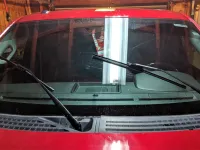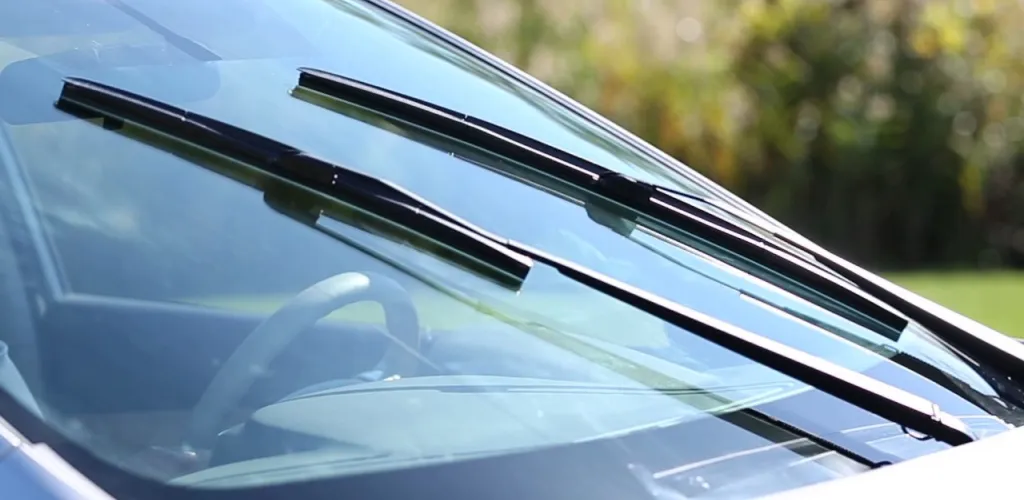
- Wipers’ mechanism uses a motor and gear train to move blades.
- Standard frame wipers are affordable but struggle with ice buildup in winter.
- Beam blades offer better performance on curved windshields and durability.
- Beam blades cost more and are harder to repair or replace.
Windshield wipers are among the most overlooked components of a car, but their role in road safety is fundamental. These simple mechanisms ensure the visibility needed in difficult weather conditions, making them essential for your safety and that of other road users.
We usually remember their importance only when windshield wipers no longer work, i.e., when they no longer contact the surface of the windshield or rear window. In extreme conditions, such as torrential rain or heavy snow, defective wipers can reduce visibility to zero in a matter of moments, turning a normal trip into a highly dangerous situation.

How the wiper mechanism works
The wiper drive mechanism is technically simple but highly efficient. The electric wiper motor, typically 12V, transmits motion through a gear train to the wiper arms. The crank-and-connecting-rod system converts the motor’s rotary motion into reciprocating motion.
There are various motion configurations: some systems start from vertical to horizontal, others use arc movements. Regardless of mechanism type, the basic principle remains the same: a rubber blade mounted on a metal or plastic frame makes continuous contact with the windshield surface.
Standard frame wipers
The most widespread on the auto market are traditional frame wipers. These consist of a rubber blade fixed on a metal frame articulated with several hinges.
Advantages of traditional frame wipers:
- Affordable price and wide availability
- Easy to replace and maintain
- Efficient operation on flat surfaces
- Cheap and accessible replacement parts
Disadvantages in winter:
In winter, these wipers have a major drawback: the gaps between the hinges collect ice and snow, causing the blade to stay away from the glass and not contact efficiently. To avoid this inconvenience, regular cleaning of the ice accumulated on the metal structure is necessary.
In the absence of the rubber blade or when it is worn, the metal part can scratch the windshield, causing costly damage that requires replacing the entire windshield.

Flexible-frame wipers (beam blades)
A more modern variant is represented by wipers with a flexible plastic frame, also known as beam blades or wipers with an integrated frame.
Key characteristics:
- The frame is made of flexible plastic or metal wrapped in plastic
- They do not have separate hinges, but a continuous structure
- Pressure is distributed uniformly along the blade length
- Aerodynamic design reduces noise at high speeds
Advantages:
- Superior performance on curved windshields
- Better resistance to ice buildup
- Increased durability
- Modern and integrated look
Disadvantages:
- Higher price than traditional wipers
- More difficult to repair (usually the entire unit is replaced)
- Limited availability for older car models
Winter windshields
Specially designed for extreme weather conditions, winter wipers are an enhanced variant of those with a standard frame.

Construction:
- Base structure similar to traditional frame wipers
- The entire assembly is protected by a rubber boot
- Protection prevents ice buildup in the hinges
- Materials are specially treated for low-temperature resistance
When to use:
Winter: They are ideal due to protection against ice and snow. They maintain functionality even at very low temperatures.
Summer: Not recommended for hot seasons due to rubber protection deteriorating quickly from high temperatures and heavy rubbing, significantly reducing lifespan.
Criteria for choosing the right wipers
To choose the optimal type, consider:
Weather conditions:
- Temperate climates: standard frame or flexible-frame wipers
- Severe winters with lots of snow: winter wipers specialized
- Regions with frequent precipitation: beam blades for superior performance
Vehicle type:
- Modern cars: beam blades preferred for maximum efficiency
- Older vehicles: traditional frame wipers, more affordable
- SUVs and pickups: robust wipers, often with a flexible frame
Budget:
- Economical: standard frame wipers
- Mid-range: beam blades for best value for money
- Premium: specialized systems for extreme conditions
Maintenance and replacement of wipers
Regardless of type, wipers require regular maintenance:

- Weekly cleaning: remove dirt and residues from the blade
- Monthly inspection: check wear and cracks in the rubber
- Annual replacement: or at the first signs of deterioration
- Fluid top-up: check the windshield washer fluid level
Always choose the right wipers for your specific needs and replace them on time to maintain road safety. Clear visibility can make the difference between a safe trip and a serious accident.