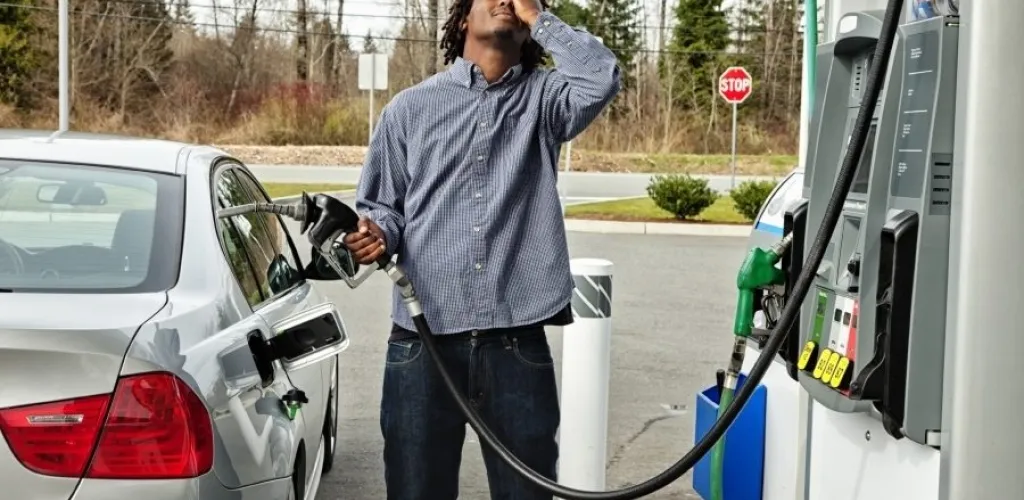
- Safety rules urge turning off the engine while refueling, despite low risk.
- Modern pumps have sensors and auto shut-off, but you must stay beside the vehicle.
- Prohibited: smoking, open flames; keep phones safe, supervise children and pets.
- Gas stations warn against sparks; fuel vapors are highly flammable.
Refueling your car may seem like a simple routine, but many drivers wonder if it is safe to leave the engine running during this operation. In practice, opinions are divided and each argument seems logical. Technically there are no absolute restrictions, but the safety rules at gas stations recommend turning off the engine. Let’s look at the reasons and what other precautions we should follow.
Why turning off the engine during refueling is recommended
From a technical perspective, the fueling system of modern cars is designed for maximum safety. The tanks are sealed so fuel cannot escape, and the fuel cap is equipped with a special system that even prevents vapor leaks. These safety measures make the risk of an incident extremely low.
However, when it comes to safety at the pump, external factors must be considered. Fuel is highly flammable, and a simple spark can be enough to trigger a fire. Even if the probability of such an event is very small — perhaps it will never happen — gas station operators prefer not to take that risk for a few seconds of possible savings.
Engine running generates heat, vibrations, and can produce sparks through the ignition system or electrical components. In the presence of fuel vapors, these elements can represent a potential source of danger, even if the actual risk is minimal.
How modern fuel pumps work
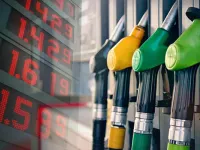
Modern fuel pumps are equipped with advanced safety systems and are very straightforward to use. There are international standards that define the color of each type of fuel:
- Green - gasoline without lead
- Black - diesel
- Yellow or blue - LPG or other special fuels
Each pump is equipped with sensors that automatically detect when the tank is full and block the fueling to prevent fuel overflow. This automatic safety feature does not mean you can leave the car unattended at the pump. It is essential to stay beside the vehicle and monitor the process until it is complete.
The automatic shut-off system works on the principle of pressure in the tank — when fuel reaches the level of the nozzle, a backpressure activates the shut-off mechanism. It is a simple but effective mechanical system, tested for decades.
Essential safety rules at the gas station
Smoking is strictly prohibited
The greatest danger at a gas station is fire and open flames. Smoking is strictly prohibited in the fueling area, regardless of distance to the pumps. A single spark or a lit match can cause a devastating fire. Gas vapors are invisible but extremely flammable and can spread quickly in the air.
Even electronic cigarettes should be avoided, as they can generate sparks or battery overheating. Modern mobile phones are considered safe, but it is advisable to keep them in your pocket during fueling.
Supervise children and pets
Fueling can seem like a break opportunity after a long trip with the family. However, the gas station is not the right place for children to play unsupervised or for pets to be left loose.
Children can be curious and may touch equipment, press buttons, or slip on wet fuel-covered surfaces. Pets can jump out of the car and cause accidents or be injured by other vehicles. As the driver, you are directly responsible for any actions of those under your care.

Focus on fueling
The golden rule is simple: when you are fueling, focus exclusively on this task. Do not multi-task — don’t check your phone, don’t eat, don’t lean into the car to look for something. Your full attention should be on the fueling nozzle and the pump’s display.
This focus helps you notice immediately if something is not functioning normally: fuel leaks, unusual smells, or problems with the pump. Quick intervention can prevent incidents.
Other important safety measures
Discharge static electricity
Before opening the fuel cap, touch a metal part of the car to discharge the static electricity built up on your body. This is a simple but effective measure, especially in colder seasons when we wear synthetic clothing that generates more static electricity.
Verify you have chosen the correct fuel
Although it seems obvious, mistaking diesel for gasoline (or vice versa) happens more often than you might think. Always check the cap label and the nozzle color before starting fueling. A mistake like this can cause serious engine damage and large repair costs.
Do not overfill the tank
When the pump stops automatically, do not continue to add fuel. Overfilling can cause leaks, damage the vapor recovery system, and create excessive pressure in the tank. Respect the pump’s automatic shut-off.
Conclusion: Safety is the priority
Although technically you can refuel with the engine running and the risk of an incident is extremely small, the clear recommendation is to turn off the engine during refueling. This completely eliminates any theoretical risk and ensures you are 100% safe.
Of course, there are other more dangerous mistakes you can make at the gas station — smoking, careless phone use, leaving children unsupervised. Still, turning off the engine remains a good practice that takes only a few seconds and provides complete peace of mind.
Ultimately, safety at the gas station is a matter of personal responsibility and respect for others. A few extra seconds to turn off the engine and follow the rules can prevent serious incidents. It’s not worth risking for a simple convenience.