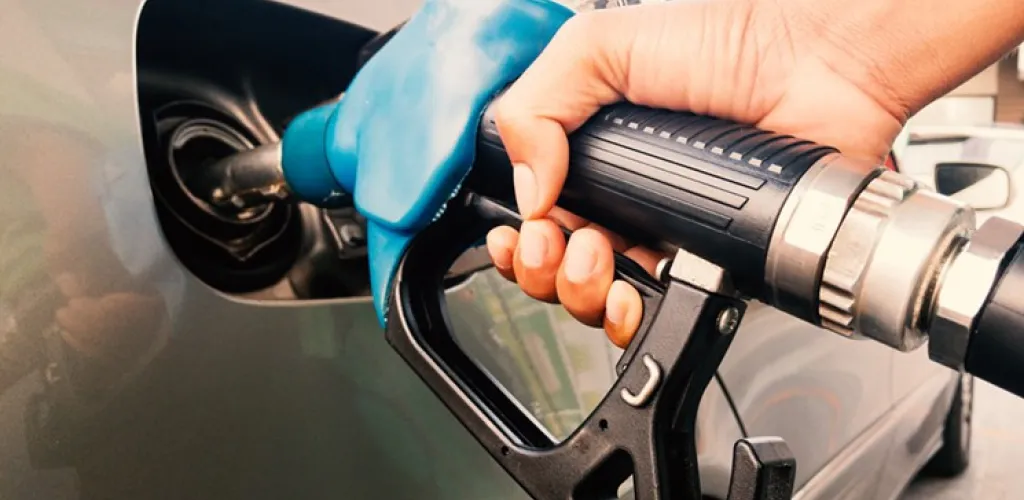
- Modern fuel pumps rely on fuel cooling; running dry can overheat and fail.
- Very low fuel sends tank residues to injectors, clogging holes and reducing performance.
- Contaminants can clog fuel filters and lines, and affect the pressure regulator.
- Keep at least a quarter tank to maintain cooling and prevent residue buildup.
Running out of fuel can be a frustrating experience, but the consequences for the car can be more problematic than the momentary inconvenience. Modern cars with fuel-injection systems are particularly vulnerable to this situation, which can cause costly damage to vital components of the fuel-supply system.
Today, most vehicles use fuel not only as an energy source but also to cool and lubricate the fuel pump, which means that a completely empty tank can have serious technical consequences.
Problems caused by lack of fuel
Fuel pump failure
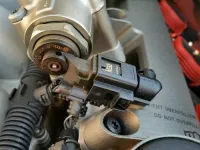
Many modern vehicles use the fuel not only as an energy source but also to cool and lubricate the [fuel pump], which operates continuously when the engine is running.
When the tank runs dry, the pump continues to operate but without fuel to cool it. This can lead to overheating of the pump’s internal components, causing:
- Burnout of the pump’s electric windings
- Premature wear of the internal bearings
- Damage to the pump impeller
- Complete pump failure requiring replacement
Problems with the injectors
Modern injectors are precision components that can be affected by residues and impurities that accumulate at the bottom of the fuel tank over time. When the fuel pump keeps running with an almost empty tank, it draws these residues and sends them to the injectors.
These contaminants can cause:
- Clogging of the injector spray holes
- Uneven engine operation
- Reduced performance and fuel economy
- The need to clean or replace the injectors
Effects on the fuel system
In addition to the fuel pump and injectors, the entire fuel-supply system can suffer:
- Fuel filter can become clogged more quickly due to residues
- Fuel lines can be contaminated with impurities
- Pressure regulator can be affected by solid particulates
How to prevent these problems
Keep a minimum fuel level
The most effective preventive method is to always keep at least a quarter of the tank full. This practice ensures:
- Constant cooling of the fuel pump
- Avoiding drawing residues from the bottom of the tank
- Optimal operation of all fuel-system components
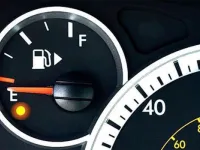
Monitor the fuel gauges
If you notice that the fuel gauge no longer accurately indicates the level in the tank, replace it urgently. A faulty gauge can leave you running out of fuel without realizing it.
Respond promptly to warning signals
When the red fuel warning light comes on the dashboard:
- Refuel immediately — although many cars can still travel 40–80 km with the light on, this is not recommended at all
- Avoid abrupt accelerations which consume more fuel
- Plan your route to the nearest gas station
Recognize the signs that you are running out of fuel
If the car starts to run roughly and you know the fuel level is very low:
- Pull over safely immediately
- Stop the engine to prevent the pump from running dry
- Call roadside assistance or walk to the nearest gas station
What to do if you run out of fuel
Immediate solutions
- Do not repeatedly try to start the engine — this will make the pump run dry
- Contact a roadside assistance service to take you to a workshop for checks
- Refuel and check the system functions before starting the engine
Post-incident checks
After adding fuel:
- Start the engine carefully and listen for unusual noises from the fuel pump
- Monitor the engine’s operation for signs of irregular performance
- Schedule a service check if you notice operating issues
Differences between fuel types
Gasoline engines
Generally more tolerant of running with a near-empty tank, but they can still suffer fuel-pump failures and injector problems.
Diesel engines
More sensitive to this situation due to:
- Higher pressures in the fuel system
- Tighter tolerances of injection components
- Possible introduction of air into the system, which requires subsequent purging
Running out of fuel may seem like a minor issue, but repair costs for the fuel pump or injectors can reach hundreds or thousands of euros. Prevention by maintaining an adequate fuel level is always cheaper than later repairs.