- Slipping is the first warning sign, caused by torque converter or low burnt fluid.
- Check transmission fluid level on a level surface with engine running; fluid should be red.
- Rotten-egg odor signals overheating or wear; indicates clutch slipping (manual) or torque/hydraulic issues (auto).
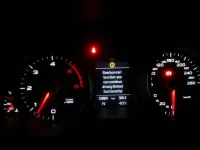
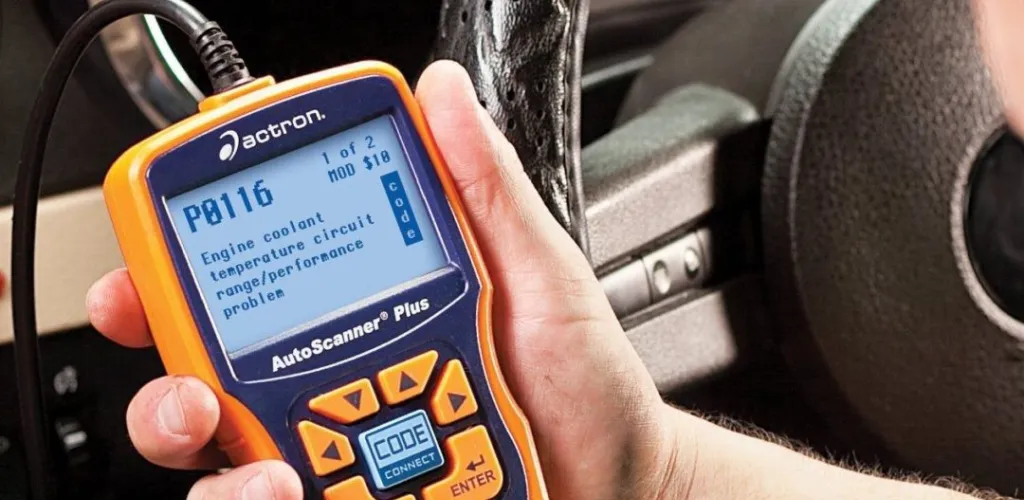
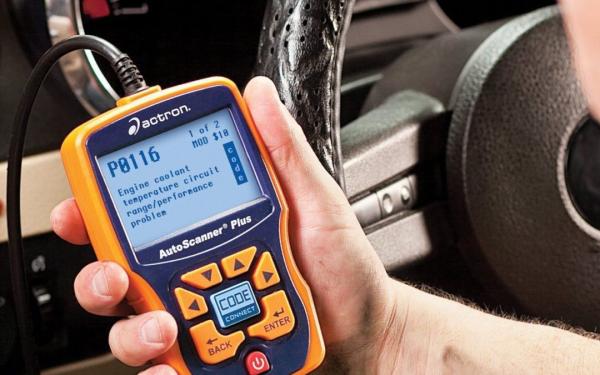
- Modern transmissions show limp mode and warning lights; diagnose with OBD-II codes.
The transmission is one of the vital components of any vehicle, but like all mechanical parts, it wears over time and can fail. Early recognition of the signs that indicate an imminent fault can mean the difference between an affordable repair and a complete transmission replacement.
Transmissions contain numerous moving parts that wear gradually—from gears and synchronizers to complex hydraulic systems. Understanding the symptoms of a transmission that is starting to fail can help you take preventive steps and avoid major repair costs.
Slipping — the first warning sign
Main causes of slipping
- Defective torque converter – the component that transfers power from the engine to the transmission
- Low transmission fluid level
- Burnt or degraded transmission fluid
For checking the fluid level correctly, park the car on a level surface and check the dipstick with the engine running and warm. The fluid should be red and translucent. If you observe a dark, brown, or black color, it means the oil has burned and requires urgent replacement.

The distinctive rotten-egg odor
This distinctive and unpleasant smell is a red flag for any driver. The odor comes from friction materials that overheat and burn due to a lack of lubrication or advanced wear.
In manual transmissions
In vehicles with manual gearboxes, the rotten-egg odor usually indicates clutch slipping. This phenomenon is common among:
- Drivers who drive aggressively
- Beginners transitioning from automatic to manual transmissions
- Vehicles with worn clutches that require replacement
If you notice slipping at high speeds on the highway when you press the clutch pedal, it’s time to replace the clutch kit – a repair much cheaper than replacing the entire transmission.

In automatic transmissions
With automatics, the odor can indicate problems with the torque converter or overheating of the hydraulic system due to low fluid or an internal fault.
Electronic problems in modern transmissions
Modern vehicles are equipped with highly sophisticated electronically controlled transmissions, using dozens of sensors and actuators. When the system detects an anomaly, it activates limp mode to protect the transmission from serious damage.
Symptoms of electronic problems
- Transmission warning light on the dashboard
- Limited gear options
- Forced shift into “limp mode”
- Operation only in one or two gears
Diagnosing problems
To correctly identify the issue, reading the error codes from the ECM (Electronic Control Module) using a professional OBD-II scanner is essential. Depending on the make and model, defective sensors can be located:
- Above the transmission (easy access)
- Inside the housing (requires removal)
- On the output shaft
- In the hydraulic system
Wiring issues
Short-circuits in the wiring harness can cause intermittent faults. These manifest as:
- Irregular operation with no clear pattern
- Problems that come and go spontaneously
- Multiple, conflicting error codes
Although complex, these issues are usually solvable at reasonable costs.
Transmission fluid leaks
Any loss of fluid should be treated seriously. The transmission operates hydraulically, and a lack of lubricant can cause irreversible damage within minutes of operation.
Common leak points
- Torque converter – may not be fixed properly
- Cooling lines – connect the transmission to the radiator
- Oil pan gasket – wears out over time
- Gear selector shaft
- Filler neck
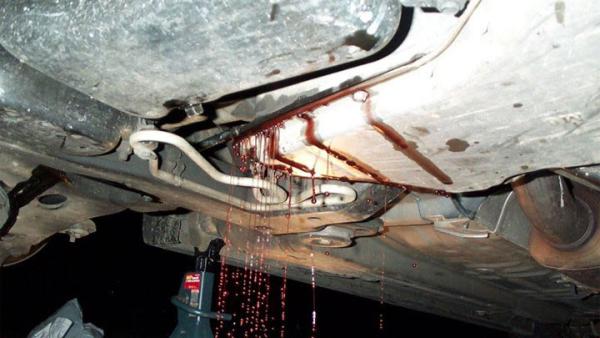
To detect the exact leak point, clean the suspected area and monitor where new oil spots appear. The cooling lines, while durable, may not be tight enough and can allow minor leaks.
Gasket and seal failures
Over time, rubber gaskets and other sealing materials degrade due to:
- Extreme temperatures
- Constant hydraulic pressure
- Normal wear
- Poor transmission fluid quality
Signs of defective gaskets
- Visible fluid leaks
- Fluid level steadily drops
- irregular transmission operation
- Contamination with impurities
When replacing gaskets, always choose OEM-quality rubber parts for maximum durability.
Delay in gear engagement
This symptom shows as a delayed response from the transmission when you change gears or start from a stop. Causes can be:
In automatic transmissions
- Insufficient hydraulic pressure
- Worn oil pump
- Clogged filters
- Faulty control valve
In manual transmissions
- Worn or improperly adjusted clutch
- Faulty hydraulic clutch system
- Worn synchronizers
- Degraded transmission fluid
Preventive measures and maintenance
To extend the life of the transmission:
- Change fluids as per schedule – at 40,000–80,000 km
- Check fluid level monthly
- Avoid aggressive driving
- Do not ignore dashboard warning lights
- Perform periodic diagnostics
When to go to a service
Contact a specialist immediately when you notice:
- Transmission warning light on
- Unusual smells
- Fluid leaks
- Abnormal vehicle behavior
- New noises or vibrations
Ignoring these signs can turn an affordable repair into a complete transmission replacement, costing thousands of euros. Early intervention is essential to keep the vehicle in optimal running condition.