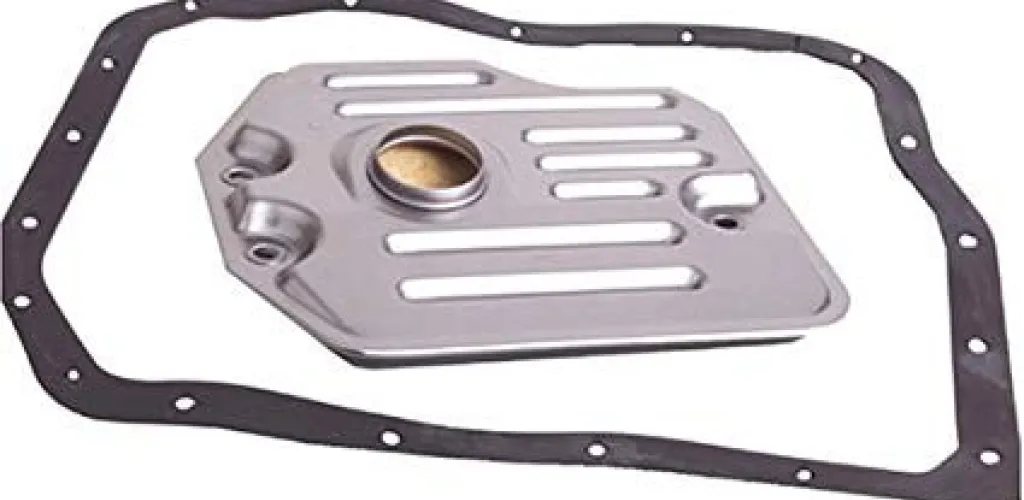
- Transmission filter cleans transmission oil, removing metal shavings to prevent wear.
- Replacement typically every 40,000-60,000 km, varying by transmission, driving, oil quality, style.
- Oil is pumped through filter, removing contaminants and cooling moving parts.
- Signs it’s time to replace: abrupt gear shifts, unusual noises, dark/burnt oil, uphill start issues.
Transmission is one of the most important components of any vehicle, responsible for transferring power from the engine to the wheels. Without this essential component, the engine would be nothing more than a power generator with no practical use for propulsion. In the transmission system, the transmission filter performs a function similar to the engine oil filter: it cleans the transmission oil of harmful particles and impurities that accumulate over time.
Role and operation of the transmission filter
The transmission filter is designed to remove contaminants from the transmission oil circulating through the system. As the gearbox operates, friction between gears and other moving components generates tiny metal shavings that detach and enter the oil. These particles, if not filtered, can cause premature wear of internal components and compromise the transmission’s optimal performance.
The filtration process works by circulating oil through the filter under the pressure created by the transmission oil pump. The filtration material retains solid particles, and the clean oil continues to lubricate and cool the moving components.
Replacement frequency of the transmission filter
Manufacturer recommendations
Most manufacturers recommend changing the transmission filter at intervals of 40,000-60,000 km, but this figure can vary significantly depending on:
- Type of transmission (manual or automatic)
- Driving conditions of the vehicle
- Quality of the oil used
- Owner’s driving style
Signals indicating replacement
- Gear shifts become abrupt or delayed
- Unusual noises from the transmission area
- Transmission oil is dark in color and has a burnt smell
- The vehicle has difficulty starting on uphill grades

Components of a transmission service kit
When it’s time to replace the transmission filter, a general transmission service is usually performed. On the market there are complete kits that contain all the components needed for this operation:
The actual filter
This is the central element of the kit, responsible for filtering particles from the transmission oil. Modern filters are made from advanced materials that offer a superior retention capacity.
Gasket for sealing
Gasket provides a hermetic seal between the transmission filter and the transmission housing, preventing oil leaks. It is made from high-temperature and oil-resistant rubber, secured with the appropriate screws.

Strainer with screen
Strainer with screen includes a screen on the top and connects to the transmission oil pump filter. This component provides pre-filtration of the oil before it reaches the main filter.
Seal
Seal resembles a large rubber ring (O-ring) and ensures a hermetic connection between the strainer and the transmission housing. This component is essential for maintaining the correct pressure in the system.
Replacement process – when to call professionals
Replacing the transmission filter and the associated oil is a technically complex operation that requires:
- Lifting the vehicle on a hoist or platform
- Removing the transmission oil pan
- Thorough cleaning of the components
- Proper installation of the new parts
- Filling with high-quality transmission oil
- Testing the system’s functionality
Because of the complexity of this operation and the risks associated with an improper execution, it is recommended to perform this work at a specialized auto service. Experienced mechanics have the necessary equipment and technical knowledge to perform this work under optimal conditions.
Consequences of neglecting the transmission filter
Ignoring the transmission filter change can lead to:
- Accelerated wear of internal components
- Transmission overheating
- Improper operation of the gear selector
- Significantly higher repair costs
- Possibility of complete transmission failure
Understanding how the transmission filter works is essential for maintaining optimal vehicle performance. If you have questions or uncertainties regarding when to replace or the condition of the filter, consulting a specialized mechanic is always the most prudent decision.
Photo source: amazon.com