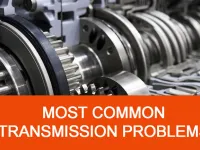
- Slipping means the transmission shifts spuriously, sometimes to neutral, risking safety.
- Causes include hydraulic failures, worn clutches, faulty torque converter, and dirty ATF.
- Warning signs: delayed shifts, shifting jumps, unusual noises, vibrations, and burning smell.
- Prevention: regular ATF checks, timely fluid changes, replace filters, and clean oil pan.
Automatic transmission is one of the car’s vital systems, and slipping can be a serious issue that leads to very costly repairs. Early recognition of warning signs and understanding the causes of this malfunction can prevent major damage and save thousands of euros in repairs.
Slipping in an automatic transmission isn’t about the car’s grip on the road; it refers to an internal malfunction of the gearbox. The phenomenon becomes evident when the shifter shifts by itself from the selected gear and goes into neutral or another gear without driver input.
What Automatic Transmission Slipping Means
In the case of an automatic transmission, slipping manifests as a spontaneous shift from Drive (D) to Neutral (N) without touching the gear selector. This problem typically appears at startup, when you put the shifter in gear and it “jumps” into neutral by itself.
Rarely this phenomenon occurs while driving, but if it happens it poses a major safety risk. Imagine attempting a overtake and suddenly losing traction at the worst moment.
Main Causes of Slipping
Manual transmissions
In manual transmissions, the main cause of slipping is clutch wear. The signs are relatively easy to identify:
- The clutch engages much lower than normal
- A slipping sensation when accelerating
- Smell of burnt components under heavy load
- Difficulties engaging gears
Proper clutch maintenance and avoiding excessive loads can significantly extend its life.
Automatic transmission
The automatic transmission is much more complex and has many components that can cause slipping:

Hydraulic problems:
- Insufficient pressure in the hydraulic system
- Failures of the oil pump
- Blockages in pressure channels
Internal component wear:
- Worn clutches and brake bands
- Faulty torque converter
- Damaged valve body
Problems with transmission fluid:
- Insufficient ATF level
- Old and degraded oil
- Contamination with impurities
Warning Signs
Early recognition of problems can prevent major damage:
- Delayed gear shifts – the transmission “takes its time” to shift
- Shifts that jump – the shifter doesn’t follow the logical sequence
- Unusual noises – screeching, grinding or whining
- Abnormal vibrations during acceleration or at steady speed
- Burning smell – a clear sign of overheating
Importance of Preventive Maintenance
Regular ATF check
The transmission fluid can tell you a lot about the condition of the gearbox:
- Normal color: transparent red or light pink
- Signs of trouble: dark, brown or black color
- Odor: should not smell burnt
- Consistency: should be fluid, not thick
Timely fluid change
Most manufacturers recommend ATF changes at:
- Normal conditions: 80,000–120,000 km
- Severe conditions: 40,000–60,000 km (heavy urban traffic, towing)
Filtration and system cleaning
In addition to changing the fluid, it is important to:
- Replace the transmission filter
- Clean the oil pan
- Check system seals for leaks
Consequences of Neglecting Problems
Ignoring warning signs can lead to:
- Complete transmission failure
- Repair costs of 8,000–15,000 RON
- Complete replacement of the transmission
- Safety risks on the road
When to Go to a Service
At the first sign of slipping or abnormal behavior, schedule an urgent inspection. Early diagnosis can turn a minor repair into a major problem avoided.
Modern automatic transmissions are complex systems that require professional attention. Do not attempt amateur repairs – the hydraulic and electronic systems require specialized equipment and advanced technical knowledge.
Preventive maintenance remains the most effective way to avoid costly problems with the automatic transmission. A regular service schedule and attention to the car’s signals can save you time, money and hassle.