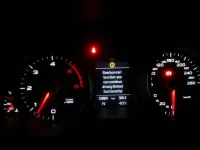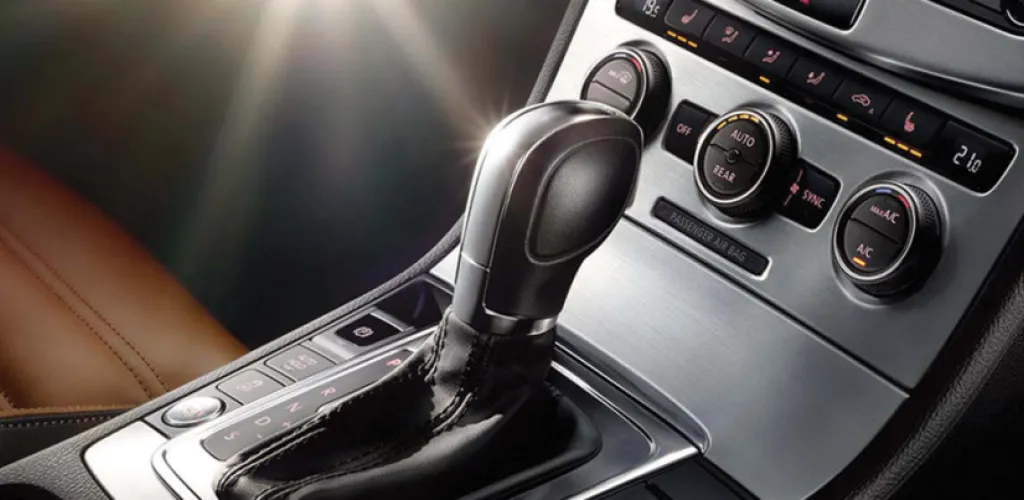
- The parking pawl locks the transmission output when Park is selected.
- The shift interlock requires brake press and engine running to unlock Park.
- Causes include pawl stress, interlock faults, or transmission wear.
- Prevent the issue by engaging the handbrake when parking and inspecting interlock components.
Imagine the scene: you get into the car, press the brake, start the engine, try to shift into “Drive” and notice the gear lever is completely locked in “Park”. It isn’t a pleasant moment, but the problem can be solved if you understand how the system works and what causes can lead to this situation.
The automatic transmission locked in the “Park” position is a common issue that can have several causes, from an incorrect parking procedure to interlock system faults. Let’s analyze step by step what happens and how you can resolve the situation.
How the parking system works in an automatic transmission
Many of us know it isn’t good to leave a car on a slope with the handbrake engaged, and with manual transmissions we leave the car in first gear to be sure it won’t move. By doing this, we block the drive wheels—the ones that transmit power to the ground.
In an automatic transmission, the principle is similar, but the mechanism differs. When you put the car in “Park”, the automatic transmission uses a system called the parking pawl — a metal stopper that engages with a gear wheel connected to the transmission’s output shaft. Once these teeth engage, they lock the transmission’s power to the wheels completely and the car will not move.
Shift interlock system – a safety feature
Some modern automatic transmissions can be shifted out of “Park” only if you press the brake and the engine is running. This shift interlock system prevents accidental shifting out of Park when the vehicle isn’t in a safe condition to move. If you don’t press the pedal, the shift lever may feel stuck, and no matter how hard you pull it, it won’t move.
Main causes of being stuck in Park
Excessive pressure on the parking pawl
The most common cause of the blockage is when the car is parked on a slope without the handbrake engaged before placing the transmission in “Park”. In this situation, the full weight of the vehicle rests on the parking pawl, which becomes overstressed. This stopper can be forced and it will be much harder to take the car out of “Park” into “Drive”.
Shift interlock system faults
Another component that may not function properly could be the interlock system, which immobilizes the car in park even if the brake is not pressed. Problems can occur at:
- Brake pedal sensor
- Transmission control module
- Wiring and electrical connections
- Electric shift actuator
Mechanical problems within the transmission
In rarer cases, the issue can be caused by:
- Parking pawl wear
- Damaged gear wheel
- Blockages in the internal shifting mechanism
- Low or degraded transmission fluid

Practical solutions to get out of Park
Correct parking procedure
First, to prevent the problem: whenever you park an automatic, also engaging the handbrake to immobilize the vehicle. The correct sequence is:
- Stop the car and keep your foot on the brake
- Engage the handbrake
- Put the transmission in “Park”
- Stop the engine
- Release the brake pedal
Do not let the full weight of the car hang on a parking pawl — this component is not designed to permanently support the vehicle’s weight.
When the car is already stuck
Method 1: Reducing pressure If the car is on a slope:
- Start the engine
- Keep your foot firmly on the brake pedal
- Engage the handbrake
- Try to gently move the car forward or backward to relieve the pressure on the parking pawl
- Try to move the gear lever out of “Park”
Method 2: Shift lock release Most cars have a manual release button/cap near the shifter:
- Look for a small cap near the shifter labeled “Shift Lock” or “Shift Lock Release”
- Lift the cap and you’ll find a small button
- Keep the engine running and the brake pedal pressed
- Press the release button and try to move the gear lever
When to call for professional help
You’ll know you’re forcing the automatic transmission when you move the car out of “Park” and hear a loud pop coming from the transmission. If you hear this sound, stop immediately — you risk serious damage to the gearbox.
If you can’t move the car after trying the methods above:
- Do not force the lever — you risk breaking expensive components
- Do not tow the car with a rope — the automatic transmission cannot be towed this way
- Call a flatbed tow truck
- Seek a shop specializing in automatic transmission repairs
Preventing future problems
Regular maintenance
- Check regularly the transmission fluid level and quality
- Follow the manufacturer’s recommended service intervals
- Have periodic checks at a specialized service
Proper driving habits
- Always use the handbrake when parking
- Do not shift from “Park” to “Drive” without pressing the brake
- Avoid holding the car on a slope with only the foot brake; use the handbrake
- Never force the lever if you feel resistance
A well-maintained automatic transmission, used correctly, can run trouble-free for hundreds of thousands of kilometers. The key is to understand how the system works and to follow the correct operating procedures.