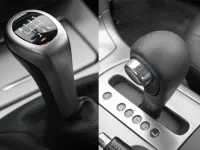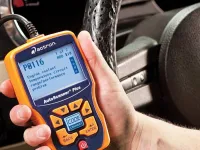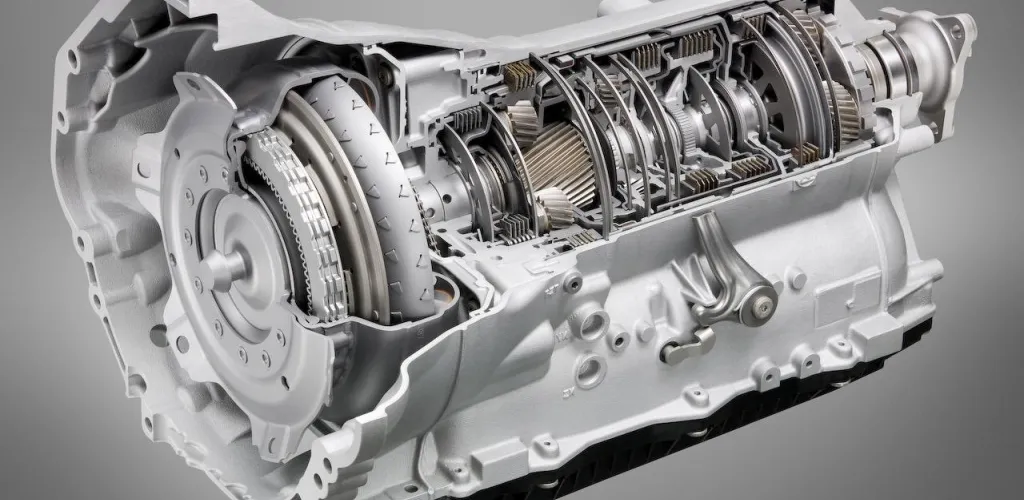
- Delayed or jerky gear shifts and slipping hint transmission problems
- Unusual noises while shifting: grinding, whining, or clunking indicate wear or hydraulic issues
- Burnt, metallic smells indicate oil problems or contamination
- Regular checks and servicing every two years, plus oil level monitoring, help prevent problems
There is nothing worse than the moment your car starts giving you trouble, especially when you are completely unprepared for it. The automatic transmission is one of the most complex and costly components of a vehicle, and the problems that arise can be stressful and very expensive to repair.
The transmission takes power from the engine and transfers it to the differential, which then sends power to the wheels and makes them move. Therefore, any problem with the transmission can significantly affect the car’s performance and reduce its efficiency. Transmission should be checked and serviced every two years, while regularly checking the oil level and paying attention to any signs that may indicate a problem.
Main symptoms of a faulty transmission
Problems when shifting gears
You certainly want your car to move smoothly, and the automatic transmission is the one that influences this aspect. If the car has trouble changing gears that should normally be easy, or if you hear unusual noises, you may need a transmission inspection.
Commonly observed specific symptoms:
- Delay in gear changes (lag on acceleration)
- Jerky gear shifts
- Inability to shift into a certain gear under certain conditions
- The car “slips” out of automatic gear (transmission slip)
- Engine revs rise without a corresponding acceleration
These problems are often caused by faulty solenoids, wear of clutch plates in the torque converter, or degradation of transmission oil that affects hydraulic pressure.

Abnormal noises from the transmission
When the car is running smoothly, you should hear only the engine sound. If you hear unusual noises, especially when shifting gears, there is a problem with the transmission. The hydraulic system of an automatic transmission runs quietly under normal conditions.
Types of problematic noises identified:
- Grinding sounds when shifting gears
- Noises when the car is in neutral – indicates wear on the plates
- Metallic sounds when shifting gears – possible wear of planetary gears
- Whining when accelerating – torque converter issues
- Clunking sounds at start or stop
These noises may indicate wear of bearings, degradation of clutch plates in the transmission, or problems with the hydraulic pump.
Unusual smell coming from the transmission
If you notice a strange smell coming from the transmission, especially when shifting gears, the transmission oil may be old and dirty. Under optimal conditions, transmission oil should have a slightly sweet smell and a clear reddish color.
Warning smells:
- Burnt smell – indicates oil overheating due to excessive friction
- Strong, unpleasant odor – degraded oil with metal particles in suspension
- Metallic smell – excessive wear of internal components
- Very pronounced sweet smell – possible coolant contamination
Overheating can be caused by a clogged transmission cooler, a faulty oil pump, or a clogged oil filter.

Transmission fluid leaks
If you see transmission oil spots under the car, colored pink, red, or even brown, something is not right. This is one of the clearest indicators of a transmission problem. An automatic transmission operates under high hydraulic pressures, and any leak affects performance.
How to detect and interpret leaks:
- Place pieces of cardboard under the vehicle overnight
- Check in the morning for signs of contamination
- Observe the liquid color: red/pink (new) vs brown (old/degraded)
- Locate the leak source: pan gasket, radiator, pressure lines
- Regularly check the level to prevent running dry

The car does not respond to commands
If the vehicle begins to change speeds without a clear cause, this may indicate that the transmission oil needs replacement or that there are electronic problems. There are cases when the car may “slip” out of gear unexpectedly, which is quite unpleasant, especially in traffic.
Typical manifestations:
- Delay in engaging the gear from park or neutral
- Slippage between gears on acceleration
- Uncontrolled return to neutral
- Sticking in certain gears
- Slow response to commands
These problems can be caused by low hydraulic pressure, faulty solenoids, or problems with the electronic control unit.
Check Engine Light on
Although the term “Check Engine Light” seems to refer to the engine, it can often indicate transmission system issues. Modern engine management systems monitor the transmission with dedicated sensors.
Common transmission-related codes:
- P0700-P0799 – generic transmission codes
- P0715-P0720 – RPM sensor problems
- P0730-P0739 – transmission gear ratio problems
- P0740-P0749 – torque converter problems

The transmission will not engage gear
This is a serious problem and means the transmission is in very poor condition. In such cases, there is nothing to do but call a shop specializing in automatic transmissions. Usually, this problem develops gradually, starting with delays and ending in a complete inability to engage.
Diagnostics – Reference table
| Symptom | Probable Cause | Urgency | Estimated Cost |
|---|---|---|---|
| Transmission noises | Low fluid / worn components | High | 1000-5000 lei |
| Does not shift correctly | Faulty solenoid / degraded oil | High | 800-3000 lei |
| Fluid leaks | Worn gaskets / cracks | Medium-High | 500-2000 lei |
| Slips during gear change | Transmission parts fault | High | 2000-8000 lei |
| Neutral idle noisy | Low fluid level | Medium | 300-800 lei |
| Check Engine light | Various electronic issues | Variable | 500-4000 lei |
| Burn smell | Oil overheating | High | 800-6000 lei |
Solutions to fix the problems
A faulty transmission is a major issue that you cannot usually fix yourself. The hydraulic system is complex and precision components require specialized knowledge and equipment.
Checking and topping up the fluid level
Correct procedures to follow:
- Check the level with the engine running and warm (operating temperature)
- The car should be on a level surface
- Use only the fluid type recommended by the manufacturer (specific ATF)
- Follow the model-specific procedure
- Never overfill – an excessive level can cause foaming
Transmission flush
In some cases, if the transmission fluid is old but the system shows no major wear, flushing the transmission and refilling with fresh fluid can be useful. It is a procedure that can extend the life of the transmission if done proactively.
Recommended process:
- Check the current oil condition
- Flush with specialized equipment (not just draining)
- Replace the internal oil filter
- Fill with new, high-quality ATF
- Test operation and calibration
Advanced electronic diagnostics
Read the transmission control unit error codes with a professional OBD2 scanner. Many modern problems are electronic in nature and can be solved without major mechanical work.
Important parameters to check:
- Hydraulic pressure in the circuit
- Operating temperature
- Signals from RPM sensors
- Solenoid operation
- Adaptations stored by the control unit
Professional specialized intervention
If none of the above methods work, the best option is to have a mechanic specializing in automatic transmissions inspect the car. Professional diagnostic work can save a lot of money if it identifies a small part to replace instead of a whole transmission.
Repair and replacement costs in Romania
Cost estimates 2024
Minor repairs and maintenance:
- Transmission oil change with filter: 400-1000 lei
- Individual solenoid replacement: 800-2500 lei
- Repairing gasket leaks: 600-2000 lei
- Transmission radiator cleaning: 300-600 lei
Moderate repairs:
- Complete solenoid set: 1500-4000 lei
- Torque converter: 2000-5000 lei
- Partial overhaul: 3000-7000 lei
- Oil pump repair: 1500-3500 lei
Major repairs:
- General transmission overhaul: 4000-10000 lei
- Transmission replacement (used): 3000-8000 lei
- Transmission replacement (new/rebuilt): 8000-20000 lei
- Specialized labor: 150-250 lei/hour
Factors influencing cost:
- Car make and model (BMW, Mercedes, Audi tend to be more expensive)
- Type of transmission (CVT, DSG, 8+ speed transmissions)
- Local part availability
- Repair complexity and access
- Geographic region and competition
Strategies to prevent problems
Systematic preventive maintenance
1. Oil changes at correct intervals
- Never believe in the concept of “lifetime oil”
- Optimal interval: 60,000-80,000 km or 4-6 years
- Use only ATF with the exact specification from the manufacturer
- Replace the oil filter at every change
2. Monitoring the operating temperature
- Avoid overheating through prolonged aggressive driving
- Check the cooling fan operation
- Periodically clean the transmission radiator
- Be extra careful when towing or driving uphill
3. Choosing specialized service centers
- Go to dealerships or shops with transmission experience
- The change procedure varies significantly by model
- Specialized diagnostic equipment is essential
- Ensure the technician knows the exact specifications
Preventive driving style
Recommended practices:
- Let the car warm up before heavy demands
- Avoid excessively long sporty bursts
- Do not use excessive engine braking
- At lights, shift to neutral for long waits
- Avoid the “rock and roll” – rapid P-R-P movements to exit tight spaces
Attention to model-specific procedures
Critical example - BMW and other premium brands: On some BMW models, the oil change is never done by draining completely and adding new oil. When you run the box dry, hydraulic pressure disappears and certain components (pistons, valves) move to positions they should not reach, causing permanent damage.
Other important specifics:
- Mercedes – requires a learning procedure after an oil change
- Audi DSG – very strict intervals and special oil
- Toyota/Lexus – filling procedure via radiator
- Volvo – electronic calibration mandatory
Monitoring and proactive maintenance
Monthly checks recommended:
- Transmission oil level and color
- Presence of leaks under the vehicle
- Behavior when shifting gears
- Unusual noises while driving
- Operating temperature indicator (if available)
Semi-annual checks:
- Hydraulic pressure test (at service)
- Error codes check
- Transmission radiator inspection
- Check the transmission cooling system
Conclusion and final recommendations
The automatic transmission is one of the most complex and costly components of a modern vehicle, integrating precision mechanics with advanced electronics. Early recognition of symptoms and prompt intervention can prevent very expensive repairs that can cost as much as a second-hand car.
Investing in preventive maintenance is always cheaper than a major repair. A well-maintained transmission can run 300,000–400,000 km, while a neglected one might fail after 100,000 km.
Golden rules for transmission longevity:
- Strictly follow oil change intervals
- Never ignore early symptoms
- Invest in professional diagnostics at the first sign of trouble
- Always choose quality over the lowest price
- Drive proactively with longevity in mind
Remember: a repair of 800 lei for a faulty solenoid can prevent an 8000 lei repair for a damaged transmission. Vigilance and preventive maintenance are the best investments for any car owner with an automatic transmission.