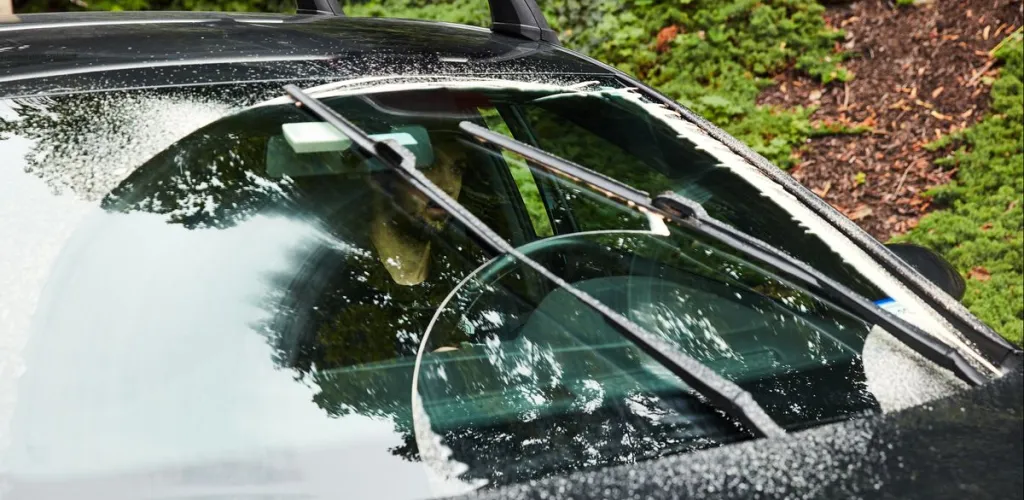
- EVs typically offer 400–600 km range, varying with weather and auxiliaries.
- Windshield wipers draw about 30–50 W, ~0.03–0.05 kWh per hour.
- HVAC dominates energy use, far larger than wipers or lights.
- Even turning off wipers saves negligible energy compared to HVAC.
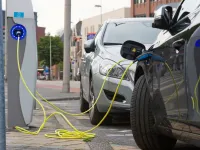
Electric cars have become increasingly popular in Romania, along with the development of charging infrastructure and government support measures. For many drivers, range remains a major concern, especially on long journeys where charging stations are sparse. In this context, many electric vehicle owners wonder what impact various systems and accessories, including windshield wipers, have on range.
Real-world range of electric vehicles
On average, a modern electric vehicle offers a range between 400 and 600 kilometers on a single charge. However, this value varies significantly depending on several factors: the type and efficiency of the electric motor, battery capacity, weather conditions, driving style, and the energy consumption of auxiliary systems.
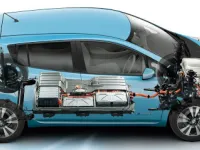
Unlike internal combustion cars, in electric vehicles every component consumes energy directly from the traction battery. This includes not only the electric motors that propel the vehicle but also a wide range of auxiliary systems: LED or Matrix headlights, the HVAC system (heating, ventilation, and air conditioning), the radio and audio system, infotainment display screens, pumps for electric power steering, and, of course, windshield wipers.
How the energy consumption of accessories is calculated
Each electric vehicle monitors and manages energy consumption through the onboard computer, which allocates the available power among all active systems. Total consumption is measured in kilowatt-hours per 100 kilometers (kWh/100 km), a standard similar to liters per hundred kilometers for traditional cars.
For example, a Tesla Model 3 has an average consumption of about 15 kWh/100 km in mixed usage conditions. To understand what this figure represents, let’s clarify some basic concepts:

- 1 kilowatt (kW) = 1,000 watts
- 1 kilowatt-hour (kWh) = energy consumed by 1,000 watts for one hour
The formula to calculate an accessory’s consumption is: Power (watts) × Time (hours) ÷ 1,000 = Consumption (kWh)
For example, an accessory operating at 25 watts for one hour would consume: 25 × 1 ÷ 1,000 = 0.025 kWh
Real consumption of windshield wipers
According to technical analyses published on Electrical Engineering Stack Exchange, a windshield wiper motor in a modern car consumes around 30-50 watts depending on the vehicle model and operating speed. Most systems operate at the lower end of this range, especially when running at low speeds.
Taking the maximum figure of 50 watts into account, the hourly consumption of the wipers reaches only 0.05 kWh. To put this number in perspective, let’s compare with the consumption of other systems:
- HVAC system: 3-4 kW per hour (roughly 8-10 km of range)
- LED headlights: 0.1-0.15 kW per hour
- Premium audio system: 0.05-0.1 kW per hour
- Windshield wipers: 0.03-0.05 kW per hour (about 0.13 km of range)
- USB ports: 0.01-0.02 kW per hour
As you can see, windshield wipers have an almost negligible impact on range. Even if you turned them off completely, the energy saving would equate to only a few extra meters of range.
Major energy consumers in electric vehicles
The largest energy consumer, apart from the propulsion group, is the climate control and heating system. In winter, as outside temperature drops, many electric vehicles can lose 20-30% of range just to maintain a comfortable cabin temperature.
This happens because, unlike cars with an internal combustion engine that use engine heat, electric vehicles must produce heat using electric heaters or heat pumps, which draw energy directly from the battery.
Newer systems with heat pumps are much more efficient, consuming up to 50% less energy than resistive heaters, but still have a significant impact on range in very cold conditions.
Practical tips to maximize range in winter
To compensate for range losses in the cold season, experts recommend the following measures:
- Preconditioning the vehicle: Plug the car into a socket before departure and activate the preconditioning function. This way, the battery and cabin will warm up using grid energy, not the traction battery. This can save up to 15-20% of range on short trips.
- Intelligent use of heating: Rather than warming the entire cabin, prioritize heated seats (consume only 50-100 watts per seat), heated steering wheel (20-30 watts), selective defogging only of the necessary windows.
- Speed management: Reducing speed from 130 km/h to 110 km/h on the highway can improve range by up to 20%, because aerodynamic drag increases exponentially with speed.
- Route planning: Use dedicated apps that show charging stations along your route and calculate estimated consumption based on weather conditions and chosen route.
Conclusion
Windshield wipers have a practically negligible impact on the range of electric vehicles, consuming only about 0.13 km of range per hour of continuous operation. The concern should be directed toward systems with higher real consumption, such as climate control and aggressive driving.
For an optimal experience with an electric vehicle, focus on intelligent HVAC management, preconditioning the vehicle when plugged in, and adopting an efficient driving style. These measures will have a real and measurable impact on range, unlike turning off the windshield wipers on a rainy day — which, besides being energy-inefficient, would compromise road safety.