- Diesel left in the tank can damage injectors and the fuel pump.
- When fuel runs dry, air enters the system and can destroy pumps and injectors.
- Do not restart; bleed air, replace filters, refill with diesel, then test.
- Prevention: refuel at quarter tank, use quality fuel, replace fuel filter.
Running out of fuel is one of the most common problems drivers face, regardless of experience. Whether you are testing the car’s range or simply forget to refuel, this situation can have consequences far more serious than they first appear.
Although for petrol cars the fix seems simple—refill a few liters and start the engine—the scenario becomes considerably more complex when we talk about diesel engines. The risks to the fuel injection system are real and can lead to substantial repair costs.

Risks to the diesel injection system
An international study shows that diesel left at the bottom of the tank exposes the engine to significant risks, being responsible for the destruction of hundreds of thousands of cars annually and generating millions of dollars in repair costs for owners.
Poor fuel quality is the main risk factor for injectors. They can fail prematurely if the fueling system ingests:
- Water
- Dust particles
- Rust from the tank
- Sediments accumulated over time
What happens when the fuel pump sucks air
When the fuel level drops below the critical threshold, the fuel pump starts to suck air instead of diesel. This process can have devastating consequences:
Effects on the fuel pump
Air drawn in can completely destroy the fuel pump, which is designed to work exclusively with liquid. Diesel not only feeds the engine but also lubricates the pump’s internal components. Without this lubrication, metal parts wear rapidly and can seize completely.
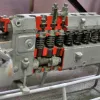
Impact on the injectors
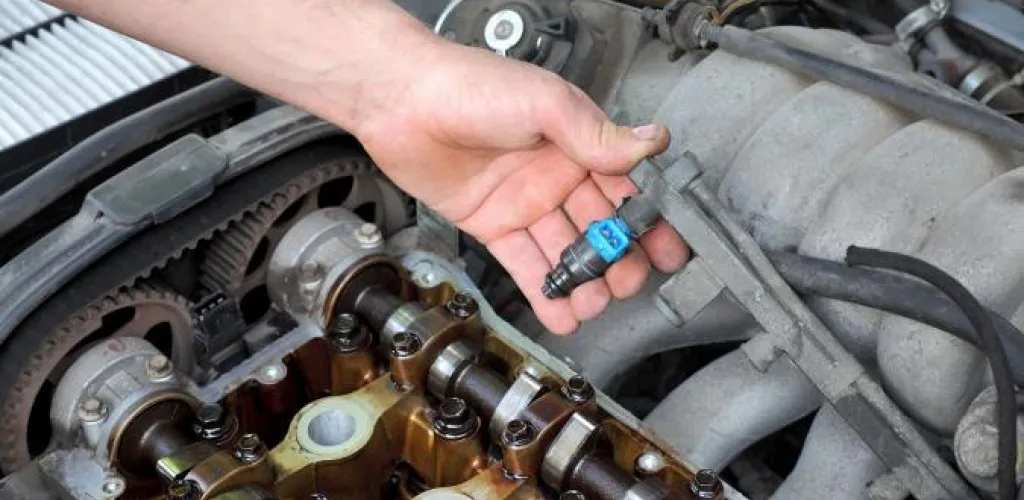
Diesel injectors are precision components that operate at extremely high pressures (up to 2000 bar in modern common-rail systems). When air enters the system, these sensitive components can be compromised, requiring costly replacements.
Correct procedure after running out of fuel
Contrary to intuition, do not attempt to refuel and restart the engine immediately. The pump and hoses are now full of air, and attempting to start can worsen the situation.
Steps required for service repair
- Dismantling the fuel-supply system components — items such as the fuel filter must be replaced
- Bleeding the air from the system — completely remove the air from lines and the fuel pump
- Refill with diesel — the system is replenished with fresh fuel
- Testing operation — verify pressure and proper function of all components
Associated costs
Repairs can range from a few hundred RON for a simple intervention to thousands of RON if the fuel pump or injectors have been compromised. In extreme cases, the entire fuel injection system may require replacement.
Prevention – the best solution
- Monitor your fuel level continuously — don’t rely solely on the dashboard gauge
- Refuel when the tank reaches a quarter — avoid reaching the last drops
- Use high-quality fuel — choose stations with a good reputation
- Replace the fuel filter periodically — according to the manufacturer’s recommendations
In conclusion, while running out of fuel may seem like a minor issue, the consequences for diesel engines can be substantial. What can go wrong when you run out of fuel depends on multiple factors, but the risks to injectors and the fuel pump are real and can lead to significant repair costs.