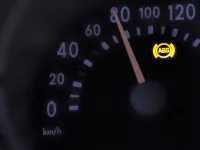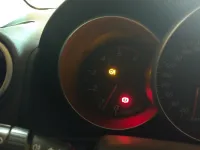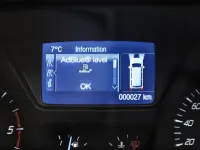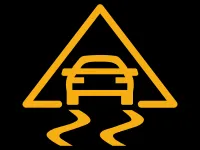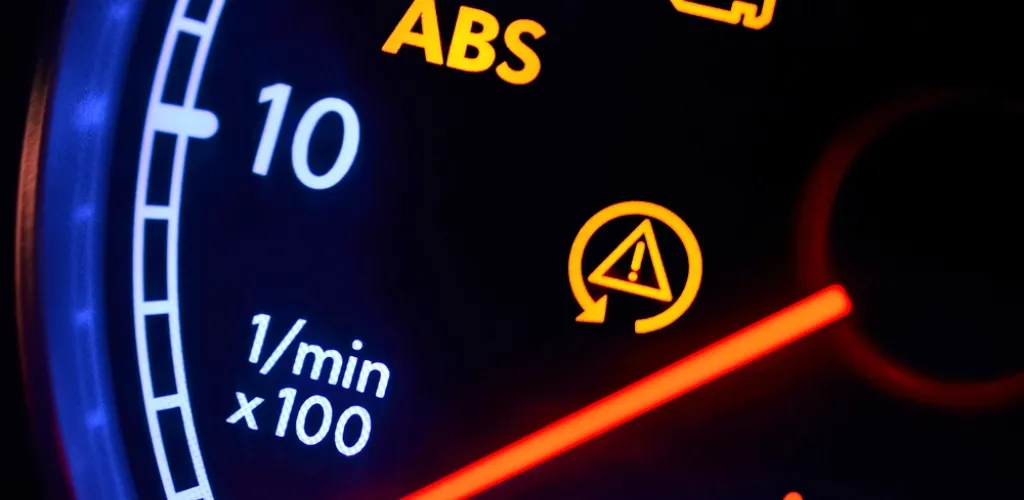
- Triangle exclamation signals a malfunction; color shows urgency (yellow/orange or red).
- Yellow/orange usually means minor issues like fluids, doors, ESP, or sensors.
- Check dash message; stop safely if driving; reset ESP by power cycle.
- Red warning means immediate stop to avoid major engine or system failure.
Many drivers wonder what the dashboard indicator in the shape of a triangle with an exclamation mark inside means. Although it may seem like a simple symbol, this warning light can indicate problems from minor to severe, depending on the color it lights up. Understanding the meaning of this indicator is essential for your safety on the road and to avoid costly vehicle breakdowns.
In this article you will discover exactly what this warning light means, which colors can appear, what mechanical problems it may signal, and how you should react in each situation.
How the onboard warning lights system works
Before understanding the triangle warning light’s meaning, it’s important to know the logic behind the car’s warning system. When you turn on the ignition, several warning lights of different colors light up on the dashboard simultaneously. This automatic check is performed by the onboard computer to ensure that all systems are functioning correctly.
After the engine starts, the dashboard indicators should gradually go out. If one of the lights remains on or lights up during driving, it means a system is malfunctioning and requires immediate or scheduled attention, depending on the severity of the issue.
Light color and urgency level
-
Red warning lights: Indicate serious problems that require immediate stopping of the vehicle. Continuing to drive may lead to major engine or vital system failures.
-
Orange or yellow warning lights: Signify the need for a service check as soon as possible. It is not recommended to undertake a long trip with such warnings active.
-
Green or blue lights: Are informational lights that show the status of certain components (doors open, faults active, headlights on, etc.).
What problems the triangle exclamation warning light signals
The severity of the situation directly depends on the color in which this warning light comes on. Here’s what you should know for each variant:
Yellow or orange warning light
When the triangle with exclamation lights up yellow or orange, it usually indicates a minor issue that does not immediately threaten safety or mechanical integrity of the vehicle. Common causes include:
- Low windshield washer fluid level
- Door or hood left open
- Fault in the stability control system (ESP/ESC)
- Parking sensors defective
- Minor electronic system problems
In most cases, this warning is accompanied by a message on the dash display telling you exactly what isn’t functioning properly.
What to do:
- Check the message on the display if your car has this function
- If the warning appears while driving, stop in a safe place and check obvious issues (doors, hood)
- For ESP-related issues, try a reset procedure: turn off the engine, wait 30 seconds, restart
- If the warning remains lit after restart, schedule a service in the following days
Red warning light – emergency situation
When the triangle exclamation light turns red, the situation is critical and requires immediate intervention. This indicates a serious fault that can affect road safety or cause major mechanical damage.
Common problems signaled by the red warning light:
-
Sudden drop in engine oil level: Lack of oil can cause rapid engine damage. Repairing a seized engine can cost between 5,000 and 15,000 lei, depending on the model.
-
Excessive engine temperature rise: Overheating can warp the cylinder head, burn gaskets, or even crack the engine block. This can be caused by a faulty water pump, a stuck thermostat, or leaks in the cooling system.
-
Severe braking system problems: Critical low brake fluid, a faulty pressure sensor, or a failed brake booster can make stopping the vehicle impossible.
-
Power steering system faults: Loss of power steering assist at high speeds can lead to loss of vehicle control.
-
Severe electrical system faults: A failing alternator or a completely drained battery can leave the car without power in the middle of the road.
What to do immediately:
- Pull over to the side in a safe place, using your indicators
- Stop the engine to prevent further damage
- Switch on hazard lights and place a reflective triangle if you are on a public road
- Do not restart the engine until you identify the problem
- Check engine oil and coolant levels (only when the engine has cooled)
- Contact a service or request towing
Brake system related problems
The triangle exclamation warning light is closely linked to the braking system and is often shared with other safety functions. Here’s what you should know about braking problems:
Common causes for the brake warning light
- Low brake fluid level: May indicate worn pads/shoes or hydraulic leaks
- Worn brake pads: When friction material is exhausted, braking efficiency drops dramatically
- Worn or faulty wear sensor: Can give false signals or may not work at all
- Handbrake engaged: If the handbrake is partially applied, the warning light may stay on
- ABS system faults: Sensor issues can trigger this light as well
Checks you can do yourself
- Check the brake fluid level: The reservoir is transparent and has MIN and MAX marks. If the level is below MIN, do not drive
- Test the brake pedal: If the pedal sinks to the floor or feels spongy, the system may have air in the line or leaks
- Check the handbrake: Ensure it is fully released
- Listen for noises: Metallic squeals or grinding indicate advanced wear
Other mechanical problems that can trigger the warning
Depending on the make and model, the triangle exclamation warning light can indicate other issues:
Lubrication system problems
- Faulty oil pressure sensor: Can send false signals about oil pressure
- Faulty oil pump: Low oil pressure can accelerate wear on bearings and the crankshaft
- Clogged oil filter: Restricts oil flow to engine components
Lighting system problems
- Burnt headlight bulb: Some models feature bulb monitoring that can activate this light
- Xenon or LED issues: Problems with ballast or control modules
- Electrical short circuits: Can affect headlight operation
Cooling system problems
- Low coolant level: Can lead to engine overheating
- Stuck thermostat: Either stuck closed (engine overheats) or stuck open (engine doesn’t reach optimal temperature)
- Faulty cooling fan: Doesn’t start when the temperature rises
- Clogged radiator: Reduces cooling capacity
When you should go to service urgently
There are situations when the warning interpretation isn’t clear or you have doubts about the severity. Signs that require immediate service:
- The red warning light remains on after restarting the engine
- Other warnings appear simultaneously (temperature, oil pressure, battery)
- Unusual noises coming from the engine or wheels
- You feel abnormal vibrations or loss of power
- Pedals (brake, accelerator) do not respond normally
- Smoke from under the hood or fluid leaks under the car
- The car pulls to one side when braking
- The steering wheel vibrates or becomes hard to control
Preventing problems signaled by warning lights
The best way to avoid unpleasant situations is proactive maintenance. Here are some recommendations:
Regular maintenance schedule
- Oil change: Every 10,000–15,000 km or once a year (depending on oil type)
- Brake fluid check: Every 2 years or 40,000 km (it absorbs moisture over time)
- Brake pads check: At every oil change or around 20,000 km
- Coolant: Check level monthly, full replacement every 4–5 years
- Battery: Check voltage and clean terminals twice a year
Checks you can do yourself
Weekly:
- Engine oil level (on a level surface, with engine cold)
- Tire pressure
- Functioning lights and indicators
Monthly:
- Brake fluid level
- Coolant level
- Power steering fluid level
- Windshield washer fluid level
- Battery condition (terminal corrosion)
Before a long trip:
- Check all fluid levels
- Test braking efficiency in a safe area
- Check tire pressure (including spare)
- Check all lights
Early warning signs
Learn to notice subtle changes in your car’s behavior before the lights come on:
- Hard starting or rough idle
- Unstable idle or engine hesitating
- Loss of power on acceleration
- Unexplained rise in fuel consumption
- New or changed noises
- Unusual smells (burnt oil, rubber, melted plastic)
- Vibrations in steering wheel or pedals
- Unusual exhaust smoke color
Estimated repair costs
To better understand the importance of reacting quickly to warning lights, here are rough costs for common repairs:
Brake system repairs
- Front brake pads replacement: 200–600 lei (parts + labor)
- Rear brake pads replacement: 150–500 lei
- Front discs replacement: 300–800 lei
- Caliper overhaul: 150–400 lei per caliper
- Brake fluid replacement: 80–150 lei
Cooling system repairs
- Thermostat replacement: 150–400 lei
- Water pump replacement: 300–1,200 lei
- Radiator replacement: 500–2,000 lei
- Cooling fan replacement: 200–800 lei
Lubrication system repairs
- Oil and filter change: 150–500 lei (depending on oil quality)
- Oil pump replacement: 400–1,500 lei
- Oil pressure sensor replacement: 100–300 lei
Major repairs (if you ignore the warnings)
- Cylinder head reconditioning: 1,500–4,000 lei
- Engine replacement: 5,000–20,000 lei
- Gearbox repair: 2,000–8,000 lei
As you can see, the cost difference between timely intervention (a few hundred lei) and ignoring the issue (thousands or tens of thousands) is huge.
Conclusion
The dashboard warning light in the shape of a triangle with an exclamation mark is one of the most important indicators. The color tells you exactly how serious the situation is: yellow/orange means schedule service soon, while red means stop immediately and perform urgent checks.
Regardless of color, never ignore this signal. Your car is trying to tell you something isn’t functioning normally, and ignoring these warnings can lead to serious, costly breakdowns and, more importantly, jeopardize your safety and that of others on the road.
Regular preventive maintenance and paying attention to the car’s signals are the best ways to avoid surprises. A periodic service check and routine self-checks will help you drive safely and avoid unplanned costs.
If the triangle warning light has come on in your car and you’re not sure what to do, the wisest course is to contact a trusted auto service for a professional diagnostic. Your safety and that of others on the road are more important than the risk of driving with an unresolved fault.
sursa foto: promotor.ro