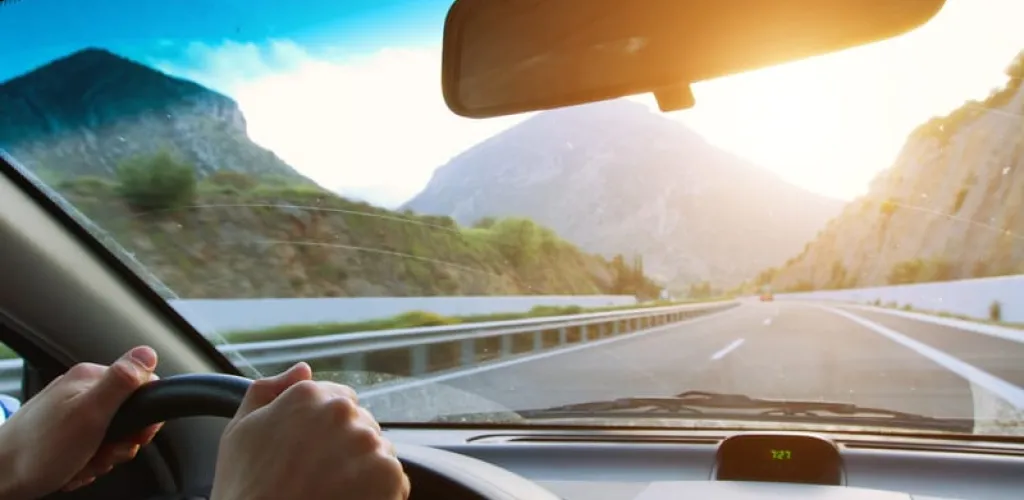
- Windshield tint commonly blue or green; some are colorless.
- The top tint reduces sun glare and eye fatigue.
- It blocks UV rays and heat, like built-in sunglasses.
- Tinting is applied during OEM manufacturing via a ceramic layer.
Windshields are a safety feature on every car, but we often take them for granted because they’re such a familiar part of the vehicle. Yet there are many features of car windshields that most drivers don’t know. One of the most noticeable, yet often ignored, is the colored band at the top of the windshield — an element that plays a much more important role than it may seem at first glance.
If you look at the top of your windshield, you’ll probably notice a tinted layer at the very top. Most windshields on modern vehicles have a blue or green tint, while others have a colorless shade. This feature isn’t just aesthetic — it serves essential practical functions for comfort and safety behind the wheel.
Primary purpose of the colored top band on the windshield
The main reason windshields are tinted is to protect your eyes from the sun while driving. With a blue or green tint, it is harder for UV rays and the sun’s heat to penetrate the glass. The shading is similar to the sunshade strip on sunglasses, functioning as a permanent protective filter built into the vehicle.
This technical solution solves a common problem facing all drivers: prolonged exposure to direct sunlight while driving, especially in the early morning and late afternoon when the sun is at a low angle.
Manufacturing process of colored windshields
Tinting is part of the production process for making windshields. During the original factory OEM build of a car, tinting is not added after the windshield is constructed. Instead, while it’s on the production line, it is mounted to the windshield via a ceramic layer applied between the two laminated glass sheets.
Careful alignment of the tint across the top at a precise distance is crucial. Otherwise, small air bubbles can form between the glass and the tint, which will significantly reduce its strength and could compromise the windshield’s structural integrity in case of impact.
For some cars, the tinted layer can be difficult to see when viewed from the front. However, if you look at the top of the windshield from an angle — or from below — you’ll likely see the color more clearly. You probably haven’t worried about this aspect, but you should be able to easily differentiate between two windshields and know their characteristics.

Technical advantages of the top tint band
Reduces sun pressure on the eyes
When you’re on the road, especially on very hot days, the pressure on your eyes can be substantial. This occurs particularly when the sun’s rays are strong or after rain when glare is amplified. A tinted windshield significantly reduces this pressure and helps lessen eye fatigue, making driving easier and more comfortable.
Eye fatigue behind the wheel is not just about comfort — it can seriously affect reaction time and the ability to notice obstacles or other vehicles, turning into a road-safety issue.
Protects the driver and passengers from UV rays
The sun emits a large amount of ultraviolet rays. Prolonged UV exposure can cause sunburn and increase the risk of skin cancer. Like sunscreen, blue or green tint protects people from the harmful effects of UV rays. The system works essentially the same as the technology used in sunglasses.
Studies show that professional drivers, who spend many hours behind the wheel daily, are at higher risk of skin damage on the left side of the face and left arm — precisely due to prolonged UV exposure that penetrates through the side windows. The tinted band on the windshield helps reduce this risk for the face and eyes.

Protects the interior from UV rays
The tinted top layer also protects the car’s interior from the damaging effects of UV rays. With prolonged sun exposure, upholstery can fade, while leather materials may crack or harden. Plastic components can also degrade more quickly. However, tinting can slow down and reduce fading of interior components.
This is especially important for cars parked outdoors or in areas with intense sun exposure. The protection offered by the colored band helps maintain the vehicle’s appearance and resale value over the long term.
Reduces glare from sunlight
In many moments — such as when it’s relatively overcast but the sun peeks through the clouds — glare can be extremely strong. The same can happen after rain when humidity is high. It’s common to experience moments when the sun at sunset makes it hard to see road details.
However, the top tinted layer helps reduce this glare while preserving good visibility. This is crucial in heavy traffic conditions where you need to observe signals from other road users quickly.
Helps keep cabin temperature down
The cabin can become very hot and stifling, especially in midsummer. While tinting does not replace the air conditioning system, the windshield tint can help keep the cabin cooler by blocking UV rays.
Of course, this won’t give you a perfectly comfortable temperature, but it will be lower than usual, making driving more pleasant. Additionally, lowering the interior temperature means the climate control system works less intensely, translating to reduced fuel consumption and less wear on components.
Types of tinting available on the market
If your vehicle doesn’t have the top tinted band from the factory or if the windshield has been replaced with a standard one, aftermarket options are available. These include:
- Ceramic bands: provide superior protection against UV rays and heat
- Metal bands: cheaper, but can interfere with GPS or radio signals
- Gradient tinted bands: gradual transition from tinted to clear for a more aesthetic look
When choosing a replacement windshield, make sure to specify your preference to have the top tinted band. The additional cost is minimal, but the long-term benefits justify the investment.
Legal regulations regarding windshield tinting
It’s important to note that the tinted band on the windshield is legally regulated in most countries, including Romania. Typically, tinting should not exceed 15-20 cm from the top of the windshield and should not interfere with the driver’s field of view.
When replacing or modifying the windshield, check local regulations to ensure the vehicle remains compliant with current laws.
Conclusion
Whether it’s reducing glare and eye fatigue, protecting against harmful UV rays, or keeping the cabin cool, there are several important reasons why car windshields have a colored top layer. This seemingly minor feature plays a key role in comfort and safety behind the wheel while protecting the vehicle’s investment.
If you don’t have such a windshield, discuss with your mechanic and consider opting for one that improves your driving comfort. When it’s time to replace the windshield, this option is definitely worth considering.
Photo source: https://motorhills.com/