- Standard windshield fluids freeze below 0°C, especially in winter or insect-removal types.
- Winter fluids use alcohol to protect down to -20°C and melt ice.
- Methanol-based fluids are toxic; choose ethyl alcohol-based formulas for safety.
- Freezing fluid risks include cracked reservoirs, pump damage, and hose failures.
The windshield cleaning system is one of the most neglected components of a car, until you run out of fluid or something breaks. Only then do you realize how important a clean windshield is for safe driving.
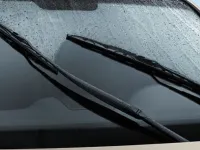
The system works simply: when [the windshield is full of mud or dust], you press a button near the steering wheel that sends a command to an electric pump. It draws fluid from the dedicated reservoir and sprays it through two or three nozzles onto the windshield. Then the wipers do their job and you regain perfect visibility.

What Temperature Do Standard Windshield Washer Fluids Freeze At
Depending on the type of windshield washer fluid in the reservoir, it can freeze in winter when temperatures drop below 0°C. Summer standard fluids are the most vulnerable to freezing.
The most commonly used windshield washer fluid in warm weather is the insect-removal type. It contains extra active substances to remove insect residues, but it freezes when exposed for several days to temperatures of 0°C or below.
These standard fluids are not designed to protect against freezing and can cause serious problems for the wash system.
Winter Windshield Fluids – Protection Down to -20°C
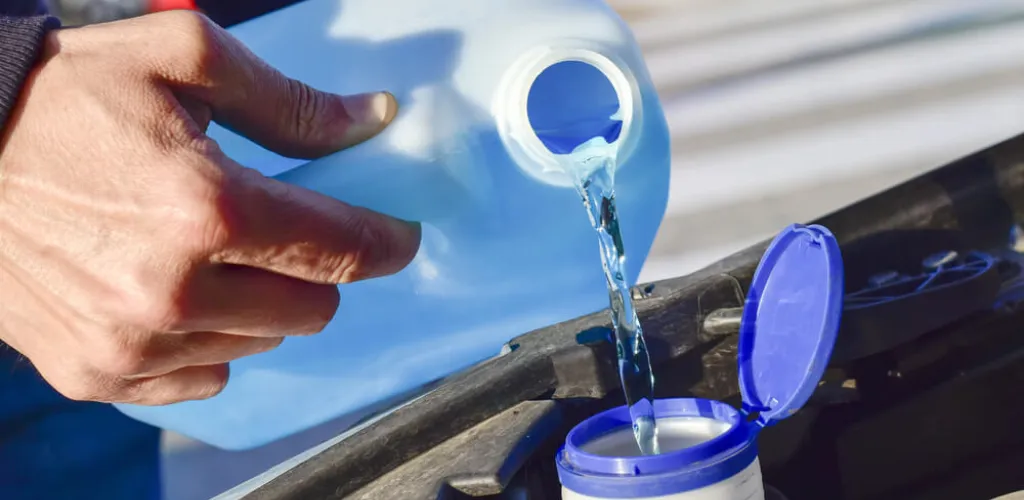
Winter washing fluid contains alcohol that significantly lowers the freezing point. Some high-performance formulations can withstand temperatures down to -20°C or even lower.
These fluids are specially formulated for winter conditions and offer:
- Freeze protection to very low temperatures
- Ability to dissolve ice and snow from the windshield
- Efficient cleaning properties even at low temperatures
- Protection for washer system components

What Does Winter Windshield Fluid Contain
There are two main types of alcohol used in winter windshield fluids, with very different characteristics:

Methanol – To Be Avoided
Fluids that contain methanol must be avoided due to high toxicity. Vapors from this substance can reach the [air conditioning system] and, consequently, the car cabin.
In the worst case, you may inhale these toxic vapors, which can cause serious health issues.
Ethyl Alcohol – Safer Option
You should look for a windshield fluid that contains ethyl alcohol, which is non-toxic and safe for use. These products provide the same anti-freeze protection but without health risks.
Risks to Your Car If the Washer Fluid Freezes
In some cases, when the windshield washer fluid freezes, the consequences can be costly:

Reservoir Damage
The reservoir can crack due to the expansion of frozen liquid. This is a common issue because water expands when it freezes, exerting pressure on the plastic reservoir walls.
Washer Pump Failure
The electric pump that sends fluid to the nozzles can be damaged if it tries to pump frozen liquid. The pump motor may burn or the internal mechanism may seize.
Damage to Hoses and Nozzles
The supply hoses and spray nozzles can be damaged by ice forming inside, potentially requiring a full replacement.
Repair Costs vs. Prevention
In both cases of damage, repairs are not possible—the reservoir and the pump must be replaced. Costs can reach several hundred lei, while a quality winter windshield washer fluid costs only a few lei.
Specialist Recommendation: Use winter windshield washer fluid. For a few extra lei, you save repair costs of several hundred lei and ensure proper operation of the washer system throughout the cold season.
Source: driving-tests.org, autoguide.com