- Yellow arrow signs indicate temporary detour routes in road work zones.
- Romania regulates signs under Emergency Ordinance 195/2002 and SR 1848/2011.
- Signs fall into categories: warning, priority, prohibition, mandatory, directional, informational.
- Variants of detour signs include square orientation signs and different arrow setups.
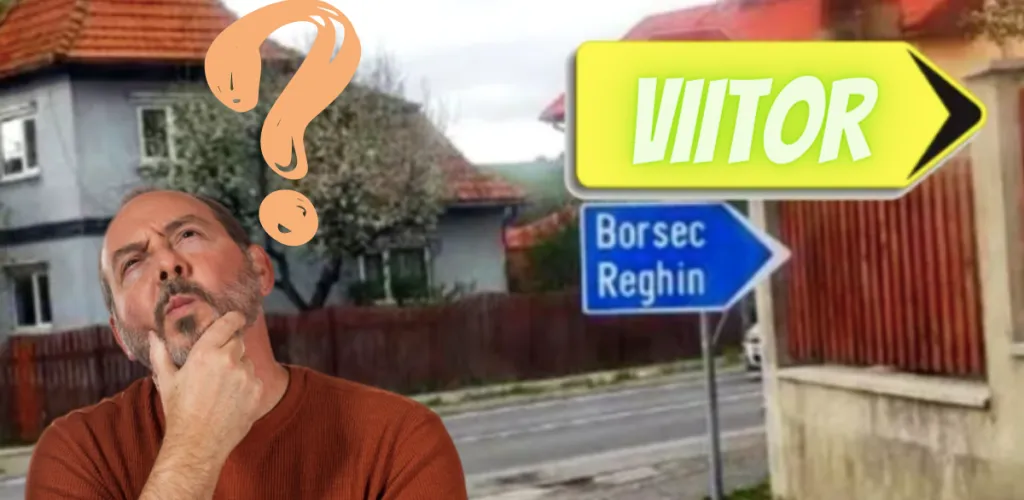
Driving on public roads requires constant attention to traffic signs, many of which are rarely encountered or less familiar to drivers. One such example is the road sign in the form of a yellow arrow, which plays an important role in managing temporary traffic.
The sign indicates the temporary detour route that drivers must follow, with other variants of this sign existing as well, such as square orientation signs.

Photo source: gandul.ro
The arrow indicates the detour route that must be traveled by drivers, with other variants of this sign existing as well, such as square-shaped orientation signs.
The legal framework for road signs in Romania
According to official information, in Romania road signs, markings and traffic lights are regulated by:
- Emergency Ordinance 195 of December 12, 2002
- Romanian Standard 1848 of December 23, 2011
These regulations ensure compliance with European standards, Romania being a signatory to the Vienna Convention on Road Traffic (1968) and the European Agreement (1971).
Types of road signs
Regarding the different categories of road signs, also known as traffic signs, the official classification includes:
- Warning signs - signal hazards or situations requiring heightened attention
- Priority signs - establish the right of way at intersections
- Prohibition/restriction signs - limit certain maneuvers or vehicle types
- Mandatory signs - compel certain behaviors in traffic
- Directional signs - provide information about directions and destinations
- Informational signs - provide useful data about services and facilities
- Supplementary panels - complete the information from the main signs
Physical characteristics of road signs
Road signs are fundamental for the traffic system, with specific shapes designed to keep traffic at an acceptable pace in areas where police supervision is absent.

Distinctive shapes of traffic signs:
- Triangular - for warning/alert signs
- Circular - for all signs that prohibit certain actions
- Other shapes - for signs that confer priority
Placement of road signs
Typically, road signs are mounted on the right-hand side of the road, so that drivers understand they are addressed to them. However, they can also be placed on the opposite side if this provides better visibility.
Additionally, signs may be mounted above the traffic lanes, meaning they apply exclusively to that specific lane.
Practical use of the yellow arrow
This traffic sign was implemented specifically for road sections where works are underway on the roadway. Its main role is to guide drivers to follow a temporary detour route, thus ensuring safety in work zones.
Variants of the detour sign:
- Yellow arrows with different orientations (left, right, combinations)
- Square directional signs for more complex indications
- Panels with explanatory text for special situations
Importance of recognizing temporary signs
Understanding these temporary indicators is essential for:
- Traffic safety in work zones
- Smooth traffic flow on detour routes
- Compliance with current road laws in force
- Protecting workers in construction zones
Updates and changes to road signaling
Signs on Romanian roadways are updated or modified at certain intervals, depending on the traffic rules in the respective areas. This flexibility allows rapid adaptation to temporary situations, such as infrastructure works or special events.
Recognizing and following these temporary signs, including yellow detour arrows, is an important responsibility for every driver and contributes to road safety.