- Worn tires reduce braking, grip, and stability on wet and dry roads.
- Visual signs: TWI at 1.6 mm; coin test confirms tread depth.
- Poor wet-weather performance raises stopping distances and aquaplaning risk.
- Frequent air loss and signs of structural damage indicate replacement.
Tires are the only point of contact between your car and the road, fundamental for safety, comfort, and performance. A worn tire can seriously compromise braking, cornering grip, and stability on different road surfaces. Recognizing wear signs is essential to avoid dangerous situations and maintain optimal vehicle performance.
Modern tires are designed to last between 40,000 and 80,000 kilometers, depending on driving style, road conditions, and proper maintenance. However, various factors can accelerate wear, making replacement necessary before reaching these thresholds.
Unusual noises while driving
Types of noises and their causes
- Constant whine
- Rhythmic noise
- Road noise
When you notice these noises, it’s advisable to also check the toe angle and wheel alignment, as they can accelerate uneven tire wear.
Poor performance on wet roads
Signs of reduced grip in rain
- Stopping distance increases significantly
- The car tends to slide more easily in corners
- Aquaplaning occurs even at moderate speeds
- Steering becomes imprecise on wet surfaces

Reduced traction in rainy weather is one of the most dangerous effects of worn tires, capable of causing serious accidents.
Compromised ride comfort
Symptoms of tire stiffness
- Roads feel rougher than usual
- Vibrations travel through the steering wheel and seats
- The rolling noise becomes more pronounced
- The damping of bumps is reduced
These signs may appear earlier on tires subjected to extreme temperatures or that have spent long periods in a fixed position.
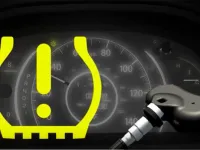
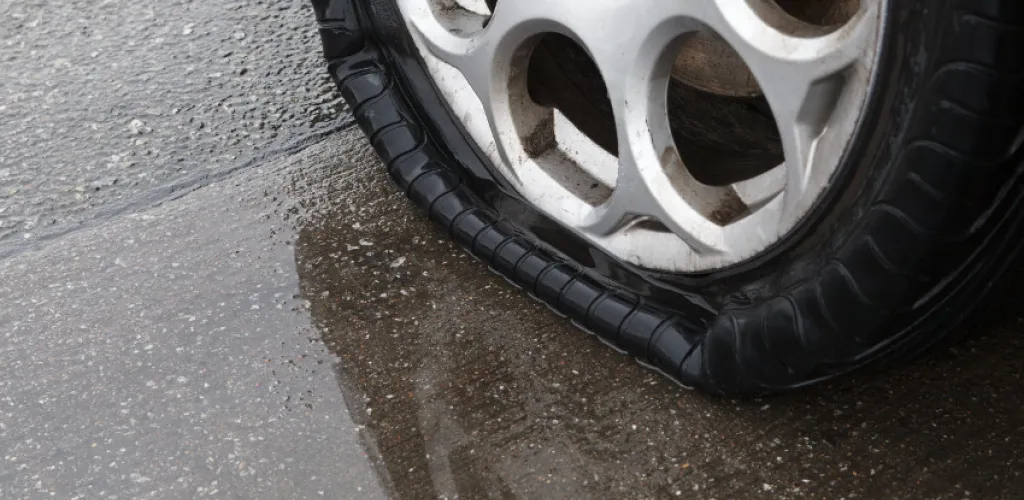
Frequent loss of air pressure
Causes of frequent air pressure drops
- Increased permeability: worn rubber becomes more permeable to air
- Microscopic cracks: appear in the most stressed areas of the tire
- Valve problems: wear can affect the seal of the inflation system
- Rim damage: bent or corroded rims can compromise sealing
Before deciding to replace tires for this reason, it’s advisable to check the rims’ condition at a specialized service.
Visual inspection - the safest method
Elements to check in the visual inspection
Tread wear indicators (TWI - Tread Wear Indicators):
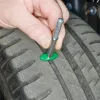
- TWI bars located at 1.6 mm tread depth
- When the tread reaches these bars, the tire should be replaced immediately
- Found in the main grooves, perpendicular to the direction of travel
Uneven wear:
- Wear is more pronounced on the edges and may indicate under-inflation
- Central wear suggests over-inflation
- Wear on one side indicates geometry issues
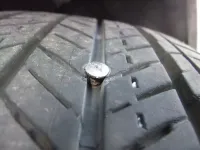
Structural damage:
- Sidewall impacts - extremely dangerous
- Cracks in the tread area or on the sidewall
- Visible steel cords - immediate replacement
- Deformations of the tire profile
The coin test - a simple verification method
A quick method to check tread depth is the 1-leu coin test. Insert the coin into the main groove of the tire – if the golden portion of the coin is fully visible, the tread depth has reached the wear limit.
Factors that accelerate tire wear
Driving style
- Abrupt accelerations and braking
- High speeds in corners
- Frequent curb parking
- Driving on poor road surfaces
Inadequate maintenance
- Incorrect pressure (under- or over-inflation)
- Irregular tire rotation
- Incorrect balancing and alignment
- Inadequate storage in the off-season
When to schedule tire replacement
- Tire age: after 6-8 years, regardless of wear
- Irreversible damage: deep cuts, impacts or deformations
- Multiple repairs: tires repaired several times
- Season change: switching from summer to winter tires
Investing in quality tires is not only a cost but a safety measure that can prevent costly accidents and save lives. Regular checks and timely tire replacement are among the most important responsibilities of any driver.
Sursa foto: ntb.com, terrysautoandtowing.com, rac.co.uk, instructables.com