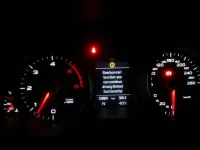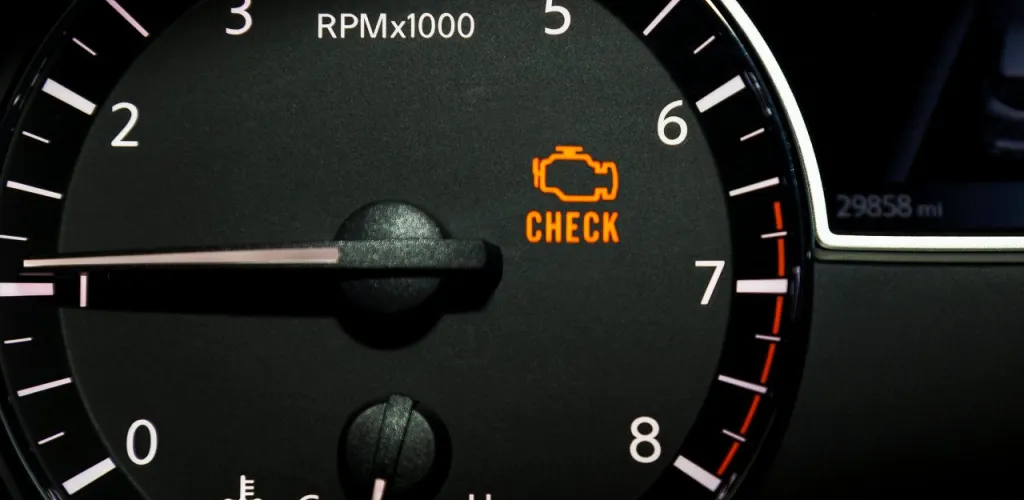
- Check engine light often signals transmission faults and requires diagnostic codes
- Manual transmissions show clunking, stiffness, and forced gear engagement; automatics show delays or refused shifts
- Transmission slipping out of gear causes RPM spikes and power loss
- Leaks show red/pink fluid with a sweet odor; locate source
Transmission problems manifest in a wide range of symptoms that can develop gradually or appear suddenly. From hard gear changes to unusual noises or fluid leaks, these signs can indicate anything from minor issues to major failures that require costly repairs. Early recognition of these symptoms can mean the difference between a simple repair and a full transmission rebuild.
Whether you drive a vehicle with manual or automatic transmission, understanding warning signs is essential for safety and to avoid unexpected expenses. Each type of transmission presents specific features in how problems manifest.
Main transmission problem symptoms
Check engine light on the dashboard
Although not a symptom specific to transmission problems, the check engine light often illuminates when there are faults in the transmission system. The car computer detects anomalies in transmission operation via dedicated sensors and activates the warning light.
What the system monitors:
- Hydraulic pressure in the transmission
- Rotational speed of components
- Transmission fluid temperature
- Operation of solenoid valves
- Gear selector positions
When this light comes on together with other transmission symptoms, it is imperative to schedule a computerized diagnostic to identify the specific error codes.
Shifting gears with difficulty or the inability to enter a gear
This symptom can range from mild resistance to an outright inability to select certain gears. Manifestations include:
Manual transmissions:
- Clunking or grinding sounds when shifting
- Increased stiffness at the shift lever
- Difficulty selecting certain gears
- Need to force the gear to engage
- Vibration transmitted through the shift lever
Automatic transmissions:
- Delays in automatic shifting
- Rough transitions between gears
- Refusal to shift into certain gears
- Getting stuck in a single gear
Possible causes:
- Low transmission fluid level
- Worn synchronizers (manual transmission)
- Solenoid valve faults (automatic transmission)
- Internal component wear
- Clutch problems (manual transmission)
Transmission slipping out of gear for no apparent reason
This phenomenon, known as slipping, occurs when the transmission shifts out of gear and spins freely while driving. It is a clear sign of a serious problem requiring immediate attention.
Typical manifestations:
- Gear disengages abruptly
- Engine RPM rises without corresponding acceleration
- A characteristic grinding/whining sound
- The car temporarily loses traction power
Main causes:
- Severely worn synchronizers
- Inadequate transmission fluid level
- Internal gear wear
- Clutch system faults
- Incorrect control cable adjustment
Transmission fluid leaks
Transmission fluid is vital for proper system function. Leaks can be identified by color, smell, and location under the vehicle.
Healthy transmission fluid characteristics:
- Red or pink color (varies by manufacturer)
- Sweet, pleasant odor
- Fluid consistency without impurities
- Clear transparency
Signs of deterioration:
- Dark color (brown or black)
- Strong burnt odor
- Thick or granular consistency
- Presence of metal particles
Common leak points:
- Transmission pan
- Hydraulic connections
- Transmission cooler lines
- Torque converter
- Prop shaft seals
Check under the car periodically for fluid stains and investigate any leaks promptly to prevent major damage.
Delayed engagement and hesitation when shifting gears
This symptom shows a noticeable delay between the input to shift and the actual engagement.
Manual transmissions:
- Clutch engagement delay
- Clutch slipping during acceleration
- Changed pedal engagement point
- Vibrations when starting from a stop
Automatic transmissions:
- 2–3 second delays when shifting from Drive to Reverse
- Vehicle seems to “think” before shifting
- RPM rises without appropriate acceleration
- Shifts become abrupt instead of smooth
These issues usually indicate:
- Insufficient hydraulic pressure
- Internal wear on clutch discs
- Faulty hydraulic pump
- Problems with the torque converter
Unusual noises and rumbling
Transmission noises provide valuable clues about the state of internal components.
Types of noises and their meanings:
Continuous buzzing:
- Originates from the torque converter (automatic transmission)
- Indicates wear of internal bearings
- More noticeable at idle when in Drive
Grumbling during acceleration:
- Suggests hydraulic pump problems
- May indicate low fluid level
- Worn gears on shafts
Metallic grinding noises:
- Typical of worn synchronizers (manual transmission)
- Heard during gear changes
- Indicates lack of lubrication
Popping sounds during shifts:
- Characteristic of automatic transmissions with issues
- Worn internal bands
- Inadequate hydraulic pressure
Squeaks and abrupt shifts
These manifestations differ significantly between transmission types:
Manual transmission-specific issues:
- Metallic squeal when selecting a gear
- Increasing difficulty when shifting cold
- Strong vibrations at the shift lever
- Inability to select certain gears
Usually these indicate:
- Fully worn synchronizers
- Severe clutch problems
- Worn synchronizer rings
- Faulty shift forks
Automatic transmission-specific issues:
- Sudden jumps between gears
- Feels like the car stalls when accelerating
- Tremors during gear changes
- Refusal to shift into certain gears
Causes include:
- Worn internal brake bands
- Solenoid valve faults
- Inadequate hydraulic pressure
- Problems with the torque converter
Persistent burning smell
A burning smell in the context of transmission problems can indicate several serious faults:
Causes in manual transmissions:
- Clutch overheating due to slipping
- Worn clutch disc
- Faulty pressure plate causing overheating
- Transmission oil burning due to excessive friction
Causes in automatic transmissions:
- Overheating of transmission fluid
- Internal brake bands burning due to slipping
- Faulty torque converter
- Fluid leaks onto hot engine components
Immediate measures:
- Stop the vehicle immediately in a safe place
- Allow the engine to cool completely
- Check fluid levels
- Do not continue driving until the cause is identified
- Contact a specialized mechanic
Transmission component-specific problems
Torque converter problems
The torque converter is the component that replaces the clutch in automatic transmissions. Its problems manifest through:
Characteristic symptoms:
- Strong vibrations when stopping with the car in Drive
- Humming sounds at idle
- Transmission overheating
- Torque converter slipping (engine revs but car does not accelerate properly)
- Increased fuel consumption
- Delays in acceleration from a stop
Common causes:
- Worn internal blades
- Faulty lock-up valve
- Contaminated transmission fluid
- Repeated vehicle overloading
Consequences of neglect:
- Damage to the hydraulic pump
- Overheating of the entire transmission
- Need for complete transmission replacement
- Repair costs of 8,000–15,000 RON
Problems with solenoid valves
Solenoid valves control hydraulic flow in modern automatics. Faults affect the transmission operation significantly:
Main functions:
- Control hydraulic pressure
- Direct fluid to the correct components
- Synchronize gear changes
- Engage/disengage the torque converter
Symptoms of faults:
- Locking in certain gears (usually gear 2 or 3)
- Only operating in emergency mode (limp mode)
- Very harsh or very soft shifts between gears
- Inability to access certain gears
- Transmission warning light on
- Specific diagnostic trouble codes
Causes:
- Contaminated transmission fluid
- Normal wear over distance
- Overheating of the system
- Electrical problems (wiring, connectors)
- Clogged transmission filters
Deep causes of transmission problems
Wear of internal components
Synchronizers (manual transmissions):
- Wear occurs after 150,000–250,000 km
- Enables smooth gear changes
- Wear manifests as grinding and difficulty shifting
- Replacement requires complete removal of the transmission
Brake bands and clutch discs (automatic transmissions):
- Wear components that degrade over time
- Responsible for engaging different gears
- Wear shows as slipping and harsh shifts
- Lifespan: 80,000–200,000 km (depends on driving style)
Hydraulic pumps:
- Provide the pressure needed for operation
- Faults cause insufficient pressure
- Manifest as slow shifts and slipping
- Replacement is complex and costly
Factors that accelerate wear
Aggressive driving style:
- Sudden accelerations excessively strain components
- Frequent emergency braking
- Forced gear changes
- Deliberate slipping (burnouts)
Harsh operating conditions:
- Frequent towing of trailers or caravans
- Stop-and-go urban traffic
- Regular parking on steep slopes without handbrake
- Constant overloading of the vehicle
Improper maintenance:
- Delayed transmission fluid changes
- Use of fluids not matching specifications
- Ignoring early signs of trouble
- Clogged filters not replaced on time
Consequences of neglecting problems
Cascading damage
The initial problem, if ignored, can cause further faults:
- A small fluid leak can lead to overheating
- Overheating can burn internal components
- Burned components contaminate the entire system
- Contamination can clog filters and valves
- Final result: full replacement required
Safety implications
Loss of control:
- Unexpected gear changes in traffic
- Inability to accelerate in emergencies
- Transmission stuck on highways
- Stall in busy intersections
Risks for other road users:
- Unexpected stops due to faults
- Unpredictable vehicle movements
- Inability to maintain a constant speed
Increasing costs
Minor repairs avoided becoming major:
- Fluid change (200–500 RON) vs. rebuild (8,000–20,000 RON)
- Filter replacement (300–600 RON) vs. pump replacement (3,000–6,000 RON)
- Cable adjustment (150–300 RON) vs. valve replacement (2,000–4,000 RON)
Correct diagnosis of problems
Checks you can perform yourself
Check the transmission fluid level:
- Start the engine and let it warm up
- With the engine running, remove the dipstick
- Wipe it clean and reinsert fully
- Remove again and check the level
- Fluid should be between the MIN and MAX marks
Visual inspection for leaks:
- Check under the car after overnight parking
- Look for red or brown stains
- Inspect around the transmission
- Check visible seals for signs of leakage
Testing behavior:
- Note if there are delays when shifting from D to R
- Listen for unusual noises
- Feel for vibrations in the shifter
- Note any changes in behavior
Professional computerized diagnosis
A specialized mechanic can perform:
Error code scanning:
- Identify electronic faults
- Check transmission sensors
- Test solenoids
- Analyze operating parameters
Hydraulic pressure tests:
- Measure pressure under different conditions
- Identify faulty pumps
- Check relief/adjustment valves
- Test the torque converter
Internal inspection (if necessary):
- Partial disassembly for viewing wear
- Inspect components for wear
- Analyze fluid contamination
- Assess overall condition
Preventing transmission problems
Preventive maintenance program
Transmission fluid change:
- Manual transmissions: at 60,000–80,000 km
- Automatic transmissions: at 40,000–60,000 km
- Severe conditions: more frequently, by 30–50%
- Use only fluids specified by the manufacturer
Transmission filter replacement:
- Simultaneous with fluid change
- For dry-sump automatics
- Use only genuine or equivalent high-quality filters
Periodic checks:
- Monthly: transmission fluid level
- Quarterly: visual inspection for leaks
- Annually: computerized check by a mechanic
- At every service: test operation
Driving techniques that extend life
Manual transmissions:
- Do not keep your foot on the clutch while driving
- Shift smoothly without rushing
- Do not force the lever if there is resistance
- Use the handbrake when parking on a slope
- Avoid excessive clutch slip at startup
Automatic transmissions:
- Allow a few seconds between R and D when maneuvering
- Do not force acceleration when the transmission is “thinking”
- Use manual mode on steep slopes
- Avoid resting your foot on the brake pedal while stopped
- Engage Park only after the vehicle is completely stopped
Adapting to operating conditions
For towing trailers:
- Install an additional transmission cooler
- Change fluids more often by about 50%
- Avoid abrupt acceleration with a trailer
- Use manual gears on hills
For heavy urban traffic:
- Maintain distance to avoid sudden stops
- Let the car shift into first gear as needed
- Avoid aggressive acceleration at lights
- Use Eco mode if available
Economic aspects of transmission maintenance
Cost-benefit analysis of preventive maintenance
Investment in prevention:
- Fluid change + filter: 400–800 RON
- Annual check: 150–300 RON
- Total yearly: 550–1,100 RON
Cost of major repairs:
- Transmission rebuild: 8,000–15,000 RON
- Replacing with a used unit: 4,000–8,000 RON
- Replacing with a new unit: 12,000–25,000 RON
Payback calculation:
- 10 years of preventive maintenance ≈ 5,500–11,000 RON
- A single major repair ≈ 8,000–25,000 RON
- Potential savings: 50–70% of repair costs
Resale value
A well-maintained transmission:
- Increases the car’s value by 10–20%
- Eases faster sale
- Inspires buyer confidence
- Reduces aggressive price negotiations
Conclusion and final recommendations
A problem with gear shifting requires immediate attention, regardless of apparent severity. What may seem like a minor issue can quickly evolve into a major fault requiring extremely costly repairs.
Key principles for car owners:
- React promptly to any change in transmission behavior
- Invest in preventive maintenance — it is always cheaper than repairs
- Do not ignore warning signs — transmission problems worsen quickly
- Consult specialists for accurate diagnostics
- Adapt your driving style to protect the transmission
When to urgently contact a mechanic:
- At the first sign of slipping or gear popping out of gear
- When you notice fluid leaks under the car
- When you hear unusual metallic noises
- When the car refuses to enter certain gears
- At any burning smell coming from the transmission area
Remember that quick intervention can save you thousands of lei and ensure your safety on the road. The transmission is one of the vehicle’s vital systems, and neglect can have serious financial and safety consequences.