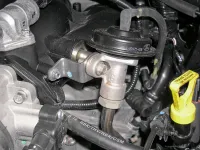
- Expands refrigerant by reducing pressure, turning liquid into cold vapor.
- Movable rod opens, closes, or partially opens to regulate flow.
- Adaptive operation uses outdoor and evaporator sensors to adjust refrigerant.
- Types: TXV and fixed-orifice; signs include insufficient cooling air.
Your car’s air conditioning system is essential for comfortable driving, especially on scorching summer days. To function correctly, this complex system relies on several specialized components, each with a well-defined role in the cooling process.
The A/C expansion valve is one of the most important components of the climate control system, responsible for precise refrigerant control and for turning it from liquid into cold vapor. Without a functional expansion valve, the entire air conditioning system becomes inefficient or even non-operational.
How the A/C Expansion Valve Works
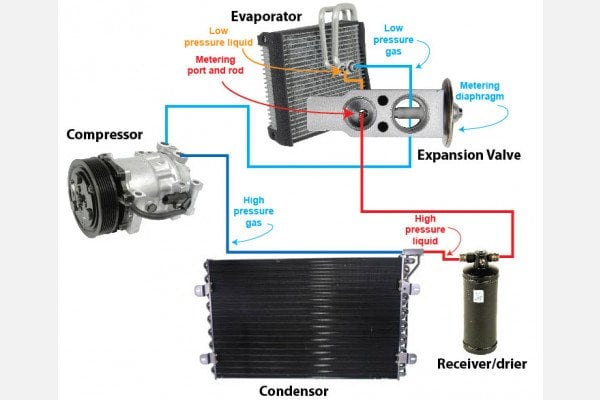
The A/C expansion valve fulfills two main functions in the car’s air conditioning system. The first and most important is expanding the refrigerant liquid by reducing its pressure. When the refrigerant passes through the expansion valve and reaches the evaporator, it changes from liquid to cold vapor, producing the cold air that comes out through the vents.
The second critical function is managing the flow of the liquid refrigerant through the system. This regulation is achieved with the help of an internal movable rod, which moves vertically to open or close the refrigerant path.
Flow control mechanism
The internal rod of the expansion valve acts like an intelligent valve:
- Open position: Allows refrigerant flow through the system
- Closed position: Completely blocks flow of refrigerant
- Partially open position: Regulates the precise amount of refrigerant required
When you set the air conditioner to a lower cabin temperature, the valve allows a larger amount of refrigerant to pass through the system. This automatic mechanism ensures the system responds promptly to your cooling demands.
Adaptive operation under external conditions
The A/C expansion valve not only responds to the settings you choose in the cabin but also automatically adapts to outdoor conditions. When outdoor temperatures are very high, the air conditioning system requires more refrigerant to maintain the desired cabin temperature.

This adaptation is achieved through:
- Temperature sensors that monitor both outdoor temperature and evaporator temperature
- Automatic adjustment of the rod position to optimize refrigerant flow
- Rapid response to temperature changes to maintain comfort
Types of expansion valves
Thermal expansion valve (TXV)
The most common type, which uses a thermal element to detect the refrigerant temperature at the evaporator outlet and to adjust the opening accordingly.
Fixed-orifice expansion valve
A simpler alternative, used on some vehicles, that has no moving parts and maintains a constant opening.
Signs that the A/C expansion valve has problems
Recognizing problems with the expansion valve is crucial for maintaining the air conditioning system in good working order:

Main symptoms:
- Insufficient cooling air: The system no longer produces the cool air you’re used to
- No cold air at all: The air conditioner blows only warm air or air at ambient temperature
- Uneven cooling: Temperature varies randomly
- Frost on lines: The refrigerant accumulates and freezes in certain areas
Common technical issues:
- Sticking rod: Dirt or wear can impede normal movement
- Wear of the thermal element: Loss of temperature sensitivity
- Refrigerant leaks: At the valve connections
- Incorrect calibration: Due to wear or vibrations
A/C expansion valve replacement costs
The replacement cost can vary between 300 and 600 lei, depending on several factors:
Factors influencing price:
- Vehicle make and model: Premium cars have more expensive components
- Accessibility of the valve: Some locations require additional dismantling
- Valve type: Electronic models are more expensive than mechanical ones
- Region: Prices vary between cities and service centers
Recommendations for savings:
- Compare prices: Request quotes from at least 3–4 service centers
- Check the warranty: Ensure you get a warranty for both part and labor
- Profile the service: Choose a shop specialized in AC systems
- Plan the replacement: Avoid urgent repairs that can raise costs
Preventive maintenance for the expansion valve
To extend the life of the A/C expansion valve:
Maintenance recommendations:
- Periodic checks: Inspect annually the car’s air conditioning system components
- Filter replacement: Regularly replace the pollen/cabin filter
- Regular use: Run the A/C for at least 10 minutes weekly, even in winter
- Check refrigerant level: Annually verify the level and purity
The importance of professional intervention
Replacing the A/C expansion valve requires specialized technical knowledge and professional equipment. The system must be evacuated, the valve replaced, and the system recharged with the exact amount of refrigerant and oil for the compressor.
An unprofessional intervention can lead to:
- Damage to other components of the system
- Loss of cooling efficiency
- Additional repair costs
- Safety issues related to handling refrigerant
The A/C expansion valve may seem like a small component, but its role in the efficient operation of the climate control system is fundamental. Timely replacement and preventive maintenance will spare you the discomfort of hot days without air conditioning.