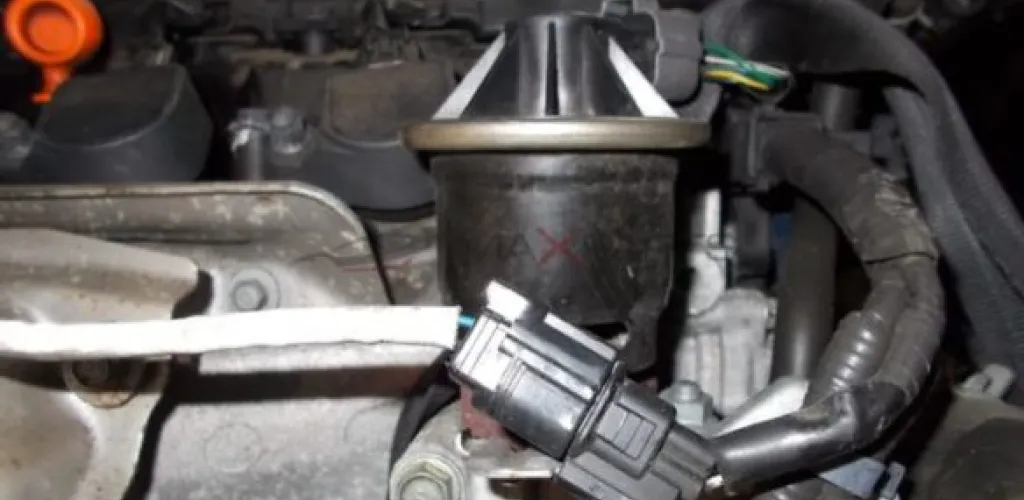
- EGR recirculates exhaust to lower combustion temperature and NOx formation.
- Since 2007, EGR is mandatory on new diesels, but can reduce performance.
- It reduces engine efficiency by about 3%, increasing fuel consumption.
- Deposits cause sticking and wear; cooler failures can overheat and cost repairs.
The Exhaust Gas Recirculation (EGR) system is one of the most discussed anti-pollution technologies among diesel car owners. Implemented as mandatory since 2007 on all new vehicles, this technical solution aims to reduce nitrogen oxide emissions but comes with significant compromises in terms of engine performance and reliability.
While automakers promote the EGR system as essential for meeting emission standards, real-world experience shows that this technology can generate costly problems and reduce engine efficiency by up to 3%.
Operating principle of the EGR valve
The EGR valve works on the principle of recirculating a portion of the exhaust gases back into the combustion chamber. Specifically, [EGR valve] takes a controlled amount of burned gases from the [exhaust manifold] and redirects them to the [intake manifold], where they mix with fresh air before reaching the cylinders.
This process lowers the combustion temperature and, consequently, the formation of nitrogen oxides (NOx), which occur mainly at high temperatures. The exhaust gases, having a reduced oxygen content, dilute the air–fuel mixture and reduce the maximum temperature in the combustion cycle.
EGR system components
A complete EGR system includes:
- EGR valve - controls the amount of recirculated gases
- EGR cooler - reduces the gas temperature before recirculation
- Temperature and pressure sensors - monitor system operation
- Control unit - governs the opening/closing of the valve
Negative impact on engine performance
Increase in fuel consumption
Independent studies show that the EGR system reduces engine efficiency by approximately 3%. This means the engine consumes about 3% more diesel to deliver the same performance, which paradoxically can lead to higher CO2 emissions.
The air mixed with exhaust gases contains less oxygen, resulting in less efficient combustion. This incomplete combustion requires more fuel to generate the same power.
Carbon deposits and premature wear
Exhaust gases bring along carbon particles and other residues that progressively deposit in:
- Intake manifold
- Intake valves
- Combustion chamber
- Recirculation duct
These deposits can cause:
- EGR valve sticking
- Reduced cross-section of intake channels
- Gradual loss of performance
- High repair or replacement costs
Risks to the cooling system
Exhaust gases exit the cylinder at temperatures above 700°C. The EGR cooling system must reduce them to acceptable temperatures before re-entering the engine. A faulty EGR cooler can cause:
- Overheating of the engine
- Severe damage to internal components
- Prohibitive repair costs
Is the EGR system necessary for engine operation?
Technically, a diesel engine can run perfectly fine without the EGR system. This technology was implemented exclusively to meet Euro 4, Euro 5, and Euro 6 emission regulations, not to optimize engine performance.
Before 2007, diesel engines operated without EGR systems and offered:
- Lower fuel consumption
- Higher reliability
- Lower maintenance costs
- Lower operating temperatures
Legal implications of EGR deactivation
In Romania, deactivating the EGR system can have legal consequences:
- ITP inspection - the vehicle may not pass the emissions test
- RCA insurance - may be challenged in the event of an accident
- Manufacturer’s warranty - is automatically voided
- Vehicle resale - can be problematic
The EGR deactivation process
Physical method
Deactivation via physical means involves:
- Dismantling the EGR valve
- Installing a blocking plate inside the valve
- Capping the recirculation lines
- Checking system sealing

Reprogramming the control unit
For proper operation, the following are required:
- Disabling EGR-related fault codes
- Modifying injection maps to optimize consumption
- Adjusting engine operating parameters
- Testing on a dynamometer to validate changes
Advantages of EGR deactivation
- 3-5% reduction in fuel consumption
- Improved performance
- Lower operating temperatures
- Elimination of carbon deposits
- Increased long-term reliability
- Reduced maintenance costs
Disadvantages of EGR deactivation
- Issues at the emissions test (ITP)
- Possible legal penalties
- Warranty withdrawal
- Higher NOx emissions
- Costs for modifications
Alternatives to complete deactivation
Periodic cleaning of the EGR system
For owners who want to keep the system functional:
- Cleaning with specialized solutions every 30,000–50,000 km
- Air filter replacement per schedule
- Using diesel additives
- Periodic component checks
Upgrading the EGR system
Some specialists offer:
- Improved EGR valves with higher resistance to deposits
- High-performance EGR coolers with better dissipation
- High-precision sensors for optimal control
Conclusion
The EGR system represents a compromise between meeting emission regulations and the vehicle’s real-world performance. While deactivation can improve efficiency and reliability, the decision must consider legal and technical implications.
For owners who choose to keep the EGR system, regular maintenance and periodic cleaning are essential to minimize problems. Regardless of the choice, consulting a diesel systems specialist is recommended to assess the best course of action for each vehicle.
Photo source: dannysengineportal.com, svtperformance.com