- Brake fluid leaks can occur at the master cylinder, calipers, or brake lines.
- Warning light indicates low fluid; check system promptly to identify the cause.
- Soft, spongy brakes result from air in the hydraulic system and leaks.
- Visible fluid under the car or complete brake failure demands immediate service.
The braking system is one of the most critical components of road safety, and its failure can have dramatic consequences. One of the most common problems encountered in the braking system is brake fluid leaks, a fault that can seriously compromise the vehicle’s stopping ability.
Brake fluid is the element that transmits pressure from the brake pedal to the front and rear calipers, activating the pads or shoes that stop the vehicle. In the absence of an adequate brake fluid level or in the presence of air in the system, braking efficiency drops dramatically.
Common locations where brake fluid leaks occur
In the braking system there are four main areas where brake fluid leaks can appear:
- Master cylinder
- Front brake calipers
- Brake lines
- Rear brake calipers
Regardless of where leaks occur, the symptoms are generally the same and easy to recognize for a attentive driver.
5 symptoms of brake fluid leaks
1. Warning light activation
The first warning signal you will notice is the brake system warning light on the instrument cluster. This indicator automatically activates when the brake fluid level falls below the safe limit. While you may not have a serious problem at that moment, it is essential to perform a thorough brake system check to identify the cause.
2. Soft brake pedal
Brake lines must contain only brake fluid to function correctly. When there is a leak and air enters the system, a compressibility that should not exist is created. Brake fluid is incompressible, while air compresses under pressure.
As a result, when you press the brake pedal, it will feel soft or spongy, indicating the presence of air in the hydraulic system.
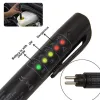
3. Excessive brake pedal travel
As air continues to enter the brake lines, brake fluid contamination worsens. Condensation may also form in the system, causing the pedal to drop much further than normal to achieve the same braking force.
This symptom indicates a more advanced issue that requires not only repairing the leak but also a full system bleed and replacement of brake fluid with fresh fluid.
4. Brake fluid leaks seen under the vehicle
If you notice fluid spots under your car and you have experienced any of the above symptoms, it is very likely you have a brake fluid leak. Brake fluid has an oily feel and is usually yellowish-brown depending on age.

It is crucial to head immediately to the nearest auto service, as this issue can quickly worsen and become extremely dangerous.
5. Complete loss of braking ability
This is the most severe possible symptom and one you will certainly notice. In theory, you should not reach this stage if you have paid attention to the prior signs. If you ignore the warning signals, the braking system can fail completely, making it impossible to stop the vehicle when you press the pedal.
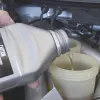
This situation can lead to catastrophic accidents and endanger your life and that of other road users.
Diagnosis and identifying the leak source
To identify the exact location of the leak, an experienced mechanic will perform several checks:
- Visual inspection of all braking system components
- Checking the brake fluid level in the reservoir
- Pressure testing in the hydraulic system
- Inspection of seals and gaskets
Repair costs for brake fluid leaks
Repair cost for brake fluid leaks varies significantly depending on the location of the problem and its severity. As mentioned, there are four main areas where leaks can occur.
Factors influencing the cost:
- Leak location – the master cylinder is the most expensive to replace
- Severity of the issue – simple gasket replacements vs. complete components
- Make and model of the vehicle – parts for premium cars are more expensive
- Labor – varies with the complexity of the work
In most cases, you do not need to replace entire components, but rather repair the leaks by replacing faulty seals or gaskets. The average cost for repairing brake fluid leaks ranges between 500 and 1000 RON, including labor and materials.
Preventive measures and recommendations
- Regularly check the brake fluid level
- Replace brake fluid according to the manufacturer’s recommendations (usually every 2–3 years)
- Be attentive to the symptoms described above
- Have regular inspections at a trusted service
- Never ignore the brake system warning light
Remember that the braking system is vital for your safety and that of others. Any suspicious problem should be investigated immediately by a specialist.
Photo source: autoguru.com.au, reddit.com